Introduction
Soffits and fascias are vital components of a building’s roofing system that play a crucial role in maintaining the structure’s integrity and aesthetic appeal. These elements not only protect the roofline from the elements but also contribute to ventilation, helping to prevent moisture buildup and potential damage to the underlying roofing materials. Recognising the signs of wear and damage is essential for homeowners and property maintenance professionals alike, as timely replacement can ensure the longevity and safety of a property. In this comprehensive guide, we will explore the importance of soffits and fascias, the signs indicating when they should be replaced, the impact of weather and environmental factors, the consequences of neglect, and the best materials for replacement.
Understanding Soffits and Fascias
What Are Soffits and Fascias?
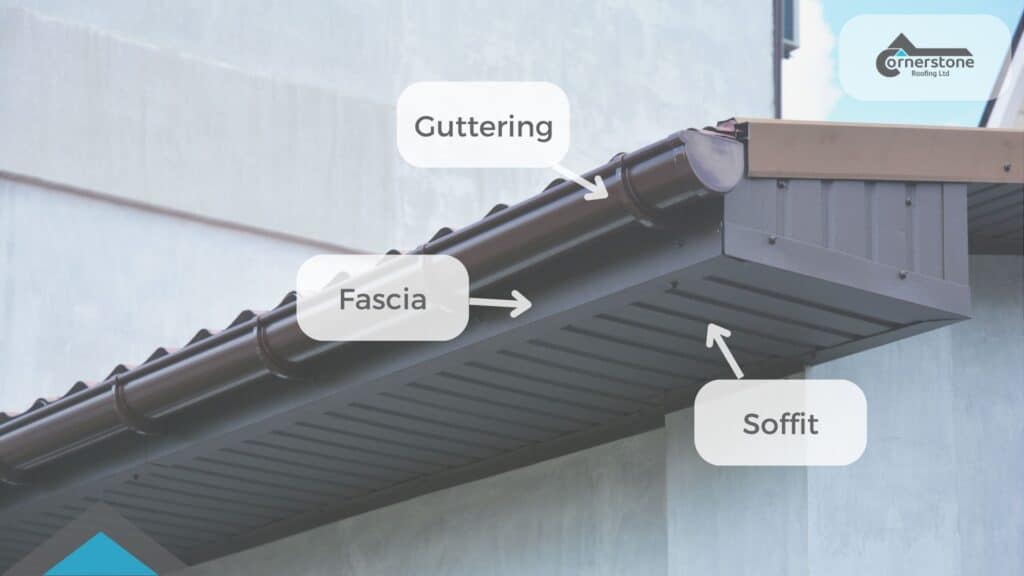
Soffits are the horizontal panels located beneath the eaves of a roof, while fascias are the vertical boards that run along the edge of the roof, connecting the roof to the exterior walls. Together, they form a crucial part of the roofline, providing structural support and protection against the elements. Their primary functions include:
- Ventilation: Soffits often contain vents that allow air to circulate in the roof space, helping to regulate temperature and reduce moisture buildup.
- Protection: Both soffits and fascias protect the underlying structures from water damage, pests, and rot. They serve as a barrier against rain, snow, and debris.
- Aesthetic Appeal: These components contribute to the visual appeal of a home, framing the roofline and enhancing the overall architectural style.
Materials Used for Soffits and Fascias
Various materials are commonly used for soffits and fascias, each with its pros and cons:
- Wood: Traditionally, wood has been a popular choice for soffits and fascias due to its natural aesthetic. However, wood is susceptible to rot, pests, and weather damage, requiring regular maintenance and painting.
- uPVC (Unplasticised Polyvinyl Chloride): This modern material is increasingly favoured for its low maintenance requirements and durability. uPVC is resistant to rot, corrosion, and fading, making it an ideal choice for various climates.
- Aluminium: Known for its strength and resistance to corrosion, aluminium is another excellent option for soffits and fascias. While it may be more expensive than wood or uPVC, its longevity and minimal maintenance make it a worthwhile investment.
Implications of Material Choice
The choice of material for soffits and fascias can significantly impact the durability and maintenance of these components. For instance, while wood may offer warmth and character, it requires more upkeep than uPVC or aluminium. Conversely, uPVC and aluminium may lack the natural charm of wood but provide a longer-lasting solution with less effort.
Signs of Age and Damage
Visual Indicators of Deterioration
Homeowners should be vigilant in monitoring their soffits and fascias for signs of damage. Some common visual indicators that may suggest the need for replacement include:
- Peeling Paint: If the paint on the soffits or fascias is peeling or flaking, it may indicate moisture damage. This can lead to wood rot if not addressed promptly.
- Visible Cracks: Cracks in the soffit or fascia boards can be a sign of structural issues or damage from weather conditions. These cracks can allow water to penetrate, leading to further deterioration.
- Sagging Sections: If any part of the soffit or fascia appears to sag or droop, it may be a sign of structural weakness. This can result from water damage or pest infestations.
Water Stains and Mould Growth
Water stains on the underside of the soffits or along the fascias can indicate a leak or moisture issue. If mould or mildew starts to grow, it is crucial to address the problem immediately, as these issues can lead to more significant structural damage and health concerns for occupants.
Importance of Regular Inspections
Regular inspections of soffits and fascias can help identify these signs early, allowing homeowners to take proactive measures. It is advisable to inspect these components at least twice a year, particularly after severe weather events. By catching signs of damage early, homeowners can save themselves from costly repairs and ensure the longevity of their property.

Impact of Weather and Environmental Factors
How Weather Conditions Affect Soffits and Fascias
Weather conditions can have a significant impact on the lifespan of soffits and fascias. Factors such as moisture, temperature fluctuations, and UV exposure all contribute to the wear and tear of these components.
- Moisture: Areas with high humidity or frequent rainfall can lead to moisture buildup, which is particularly damaging to wooden soffits and fascias. Over time, this can cause rot and attract pests.
- Temperature Fluctuations: In regions with extreme temperature changes, materials can expand and contract. This can lead to cracking or warping, particularly in wood and uPVC materials.
- UV Rays: Prolonged exposure to sunlight can cause fading and degradation of materials, especially for painted or stained surfaces. This is particularly relevant for wooden and uPVC soffits and fascias, which may require additional maintenance to combat UV damage.
Climate Considerations
Understanding the local climate is essential when assessing the condition of soffits and fascias. For example, properties in coastal areas may be exposed to salty air and high winds, necessitating more robust materials and more frequent inspections. Similarly, homes in colder climates may experience snow loads that put additional stress on the roofline, making it crucial to monitor for signs of damage.
Consequences of Neglecting Replacement
Structural Issues
Failing to replace damaged soffits and fascias can lead to significant structural issues over time. Water leaks caused by deterioration can compromise the integrity of the roofing materials, leading to more severe problems such as:
- Roof Leaks: Water infiltration can damage insulation, ceilings, and walls, leading to costly repairs.
- Pest Infestations: Damaged soffits and fascias can provide easy access for pests, such as rodents and insects, which can further weaken the structure and lead to health risks.
Long-Term Financial Implications
Ignoring the signs of age and damage can have serious financial consequences. The cost of replacing soffits and fascias is significantly lower than the potential costs of addressing structural damage caused by neglect. Homeowners should consider the long-term value of investing in timely replacements to protect their property and avoid escalating repair costs.
Choosing the Right Replacement Materials
Overview of Replacement Options
When it comes time to replace soffits and fascias, homeowners have several material options to consider. Each material has its unique benefits and drawbacks.
- uPVC: This material is highly recommended for its low maintenance, durability, and resistance to rot. It is also available in various colours and styles, allowing for aesthetic versatility.
- Timber: For those who prefer a natural look, timber can provide a beautiful finish. However, it requires regular maintenance, including painting and sealing, to prevent rot and insect damage.
- Aluminium: Offering a modern look and excellent durability, aluminium is resistant to corrosion and fading. While it may be more expensive upfront, its longevity makes it a cost-effective choice in the long run.
Making Informed Decisions
When selecting replacement materials, homeowners should consider factors such as:
- Architectural Style: The chosen material should complement the property’s overall design and aesthetic.
- Local Environment: Consider the local climate and environmental factors that may impact the durability of the chosen material.
- Maintenance Requirements: Assess how much time and effort you are willing to invest in maintenance and upkeep for the selected materials.
Conclusion
Soffits and fascias play a critical role in protecting properties and maintaining their structural integrity. By understanding the signs of age and damage, homeowners can take proactive measures to replace these components before they lead to more significant issues. Regular inspections, awareness of environmental factors, and timely replacements are essential for ensuring the longevity and safety of your roofline. As you monitor your property, remember that investing in quality materials and maintenance not only safeguards your home but also preserves its value for years to come. Stay vigilant and ensure your soffits and fascias are in top condition.
Start your roofline maintenance journey today by inspecting your soffits and fascias for any signs of wear or damage. If you notice any concerning indicators, don’t hesitate to consult a professional for advice on replacement options tailored to your property. Your home’s integrity and aesthetic appeal depend on it!