Understanding the Impact of Snow and Ice on Your Roof
How Accumulated Snow Adds Weight and Pressure to Roof Structures
Accumulated snow can significantly impact the structural integrity of a roof. The weight of the snow creates downward pressure that can lead to sagging, structural damage, or even roof collapse in extreme conditions. While fluffy, fresh snow can weigh as little as three pounds per square foot, wet, heavy snow can weigh up to 21 pounds per square foot. Most residential roofs are designed to support a maximum of around 20 pounds per square foot of snow before compromising their structural integrity.
Signs of a roof under excessive snow load include noticeable sagging, creaking noises, or cracks in the ceiling. These symptoms indicate that the roof is struggling to support the weight and immediate action is necessary to avoid further damage.
The Formation and Dangers of Ice Dams Along Roof Edges
Ice dams are another significant winter hazard for roofs. They form when the heat from the attic causes snow on the roof to melt. This melted snow then travels down to the colder edges of the roof, where it refreezes, creating a barrier of ice. This barrier traps water behind it, preventing it from draining off the roof. The trapped water can then seep into the roof materials, causing leaks, rotting, and mould growth.
The damage from ice dams can be extensive, affecting the roof deck, insulation, and even the interior walls of the house. Poor insulation and ventilation in the attic exacerbate this issue by allowing warm air to escape, thus keeping the roof surface warm enough to melt snow.
Typical Weight Limits for Residential Roofs
On average, most residential roofs are built to endure up to 20 pounds per square foot of snow. This threshold is calculated by considering factors such as the slope of the roof, the quality of construction materials, and local building codes. For areas prone to heavy snowfall, building codes may require roofs to support more significant loads, sometimes up to 30 pounds per square foot.
Exceeding these limits can have serious repercussions. It’s crucial to monitor snow accumulation and take preventive measures before the weight becomes a risk. Regularly inspecting the roof for warning signs such as sagging or cracking is essential during the winter months.
Common Types of Winter Roof Damage
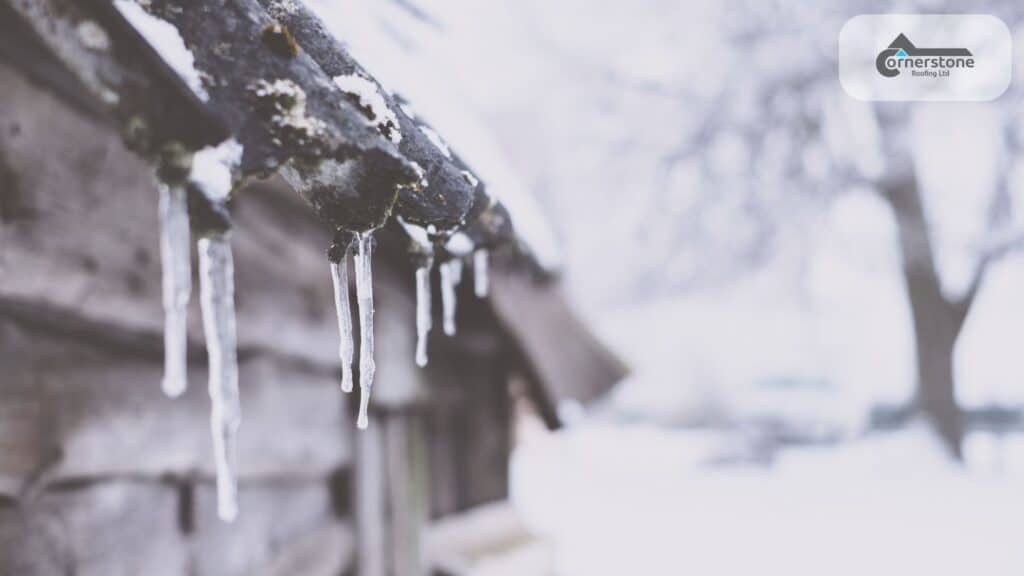
Winter can be particularly harsh on residential roofs, leading to various forms of damage that, if left unchecked, could compromise the integrity of your home. Understanding the types of damage that can occur due to snow and ice is crucial in taking proactive measures to protect your roof.
Structural Damage from Excessive Snow Weight Accumulation
Accumulated snow can exert significant weight and pressure on roof structures. The weight load can vary based on the type of snow, where wet snow is significantly heavier than fresh, powdery snow. On average, roofs are designed to support up to 20 pounds per square foot, but this can extend to 30 pounds in areas with heavy snowfall. When the snow load exceeds this, it can lead to severe structural damage such as sagging, cracking, or even collapse. It’s essential to regularly inspect your roof for any signs of distress, including sagging sections, which indicate that the roof is under excessive strain.
Water Damage from Ice Dam Formation and Melting Snow
Ice dams form when the heat escaping from the house melts the snow on the roof, which then refreezes at the roof’s edges where temperatures are lower. This process creates a barrier that prevents further melting snow from draining off the roof. The trapped water can seep under shingles and into the home, causing water damage to ceilings, walls, insulation, and interior structures. Persistent water ingress can lead to mold growth and rot, further damaging the roof and the overall structure of the house.
Cracking and Material Damage from Freeze-Thaw Cycles
The freeze-thaw cycle, characterised by alternating freezing and thawing conditions, places repetitive stress on roofing materials. Water that seeps into small cracks and openings in roofing materials can freeze, expand, and ultimately crack tiles, shingles, or other roofing components. Over time, these cycles can erode roofing materials, reduce their protective effectiveness, and decrease the overall lifespan of the roof. The resultant damage includes surface spalling, internal cracking, and the overall deterioration of roofing materials.
The combination of structural, water, and material damage can create a cascade of issues that compromise the safety and efficiency of your home. Regular inspections, timely maintenance, and addressing small problems before they escalate are crucial in safeguarding your roof during winter. Taking proactive steps now can save significant headaches and expenses in the future.
Best Roofing Materials for Cold Climates
Metal Roofing Advantages for Snow and Ice Conditions
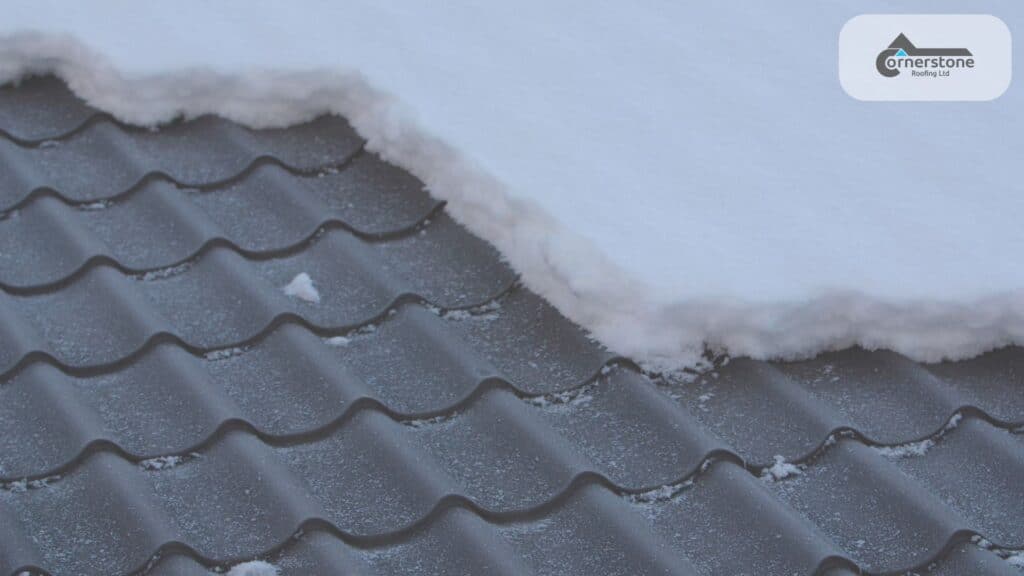
Metal roofing provides exceptional advantages in cold climates. It excels in enduring extreme weather conditions, including freezing temperatures, heavy snowfall, and ice. One notable benefit is its ability to shed snow easily. The slick surface of metal roofs aids in the natural sliding off of snow, significantly reducing the likelihood of ice dams and heavy snow accumulation. This characteristic protects the roof from excessive weight and pressure, which can cause structural damage.
Additionally, metal roofs have low thermal conductivity, which helps in retaining heat within the building. This quality allows the roof to warm up faster, aiding in the quicker melting of snow and ice, thereby promoting efficient snow shedding. Moreover, metal roofing is durable and often requires minimal maintenance, making it an ideal choice for cold weather regions.
Durability Comparison Between Slate, Metal, and Asphalt Shingles
When comparing different roofing materials, metal roofs are remarkably durable and resistant to various environmental conditions. They can withstand direct impacts better than other materials, and while they may suffer dents from heavy impacts, punctures are rare. Metal roofs also resist damage caused by windstorms more effectively.
Slate roofing, known for its longevity, can last up to a century, providing it with superior durability over asphalt shingles, which generally last about 20-30 years. However, slate is heavy and costly, posing installation and maintenance challenges, especially in regions with frequent freeze-thaw cycles. Slate’s resistance to water damage is high, but metal roofs, given appropriate coatings and treatments, can offer comparable protection without the added weight.
Asphalt shingles are a budget-friendly option and versatile in their applications. While they offer decent protection and ease of installation, they do not measure up to the durability and longevity of metal or slate roofs. Architectural asphalt shingles can withstand winds up to 110 mph, making them more robust than the standard three-tab versions.
Benefits of Steep Pitch Designs for Snow Shedding
The design of the roof also plays a critical role in its performance in snowy conditions. Steep pitch roofs are designed to facilitate the shedding of snow and ice, significantly minimising the risks of heavy snow accumulation. The pull of gravity on a steep roof allows snow to slide off naturally, preventing the formation of ice dams and reducing the load on the roof structure.
A steeply pitched roof also minimises the risk of water pooling and debris accumulation, which can lead to structural issues and increased maintenance needs. The optimal roof pitch for snow shedding varies depending on factors such as snowfall amounts and the type of roofing material used. A general guideline suggests a minimum pitch of approximately 4/12 to 6/12 for effective snow shedding.
Overall, choosing the right roofing material and design is essential for ensuring the durability and performance of your roof in cold climates. Efficient roofing solutions like metal roofs and steep pitches can significantly enhance the resilience of your roof against winter weather. Regular maintenance and inspections remain crucial to prolong the lifespan of your roofing system.
Preventive Measures and Maintenance
Importance of Regular Roof Inspections Before Winter
Before the winter season sets in, conducting regular roof inspections is an essential preventative measure. These inspections help to identify and address any existing issues that could escalate under the weight of snow and ice.
A thorough roof inspection involves:
- Checking for loose or damaged shingles and replacing them promptly.
- Inspecting the flashing around chimneys, skylights, and vents for any gaps or cracks.
- Evaluating the integrity of roof supports and addressing any signs of weakening.
Regular roof inspections can avert small issues from becoming costly repairs and significantly extend the lifespan of your roof.
Proper Attic Insulation and Ventilation Strategies
Proper attic insulation and ventilation play a crucial role in maintaining the health of your roof during winter. Effective insulation helps to prevent heat from escaping through the roof, thereby reducing the likelihood of snow melting and refreezing at the roof’s edge, which causes ice dams to form. To achieve this, ensure that the attic floor is well insulated.
Gutter Maintenance and Ice Dam Prevention Techniques
Maintaining your gutters is another critical aspect of preventing winter roof damage. Clean gutters allow melted snow to drain away from your roof and prevent the formation of ice dams. Here are some essential tips for winter gutter maintenance:
- Regular Cleaning: Ensure that your gutters are free of leaves, debris, and dirt. This simple step helps water to flow freely and prevents ice from building up and forming dams. Regular cleaning is considered best practice.
- Proper Slope: Make sure your gutters are angled correctly to ensure efficient water drainage. Gutters should slant slightly toward the downspouts to avoid water pooling and freezing.
- Use of Rock Salt: A light sprinkling of sodium chloride or rock salt in the gutters can help to melt ice and prevent issues caused by freezing. This method effectively stops the formation of ice dams and snow collection.
- Heating Cables: Installing heating cables along the edge of your roof and in your gutters can prevent ice from forming. These cables help to maintain a consistent temperature that keeps water flowing instead of freezing.
- Gutter Guards: While some may believe gutter guards cause ice dams, they can actually be beneficial when chosen and installed correctly. Gutter guards can reduce debris build-up and thus assist in preventing ice dams.
By addressing these key areas, you can significantly reduce the risks of winter roof damage. Regular roof inspections, proper insulation and ventilation, and diligent gutter maintenance are essential steps in safeguarding your home. This proactive approach not only helps to prevent damage but also ensures the longevity and durability of your roofing system.
Safe Snow and Ice Removal Methods
Professional Snow Removal Recommendations and Timing
Professional snow removal services are often the safest and most efficient option for managing winter’s heavy snow and ice. For residential properties, the average cost can range from $30 to $100 for removing up to six inches of snow, with additional charges of $25 to $75 per hour for deeper accumulations. It’s recommended to schedule snow removal as soon as possible after snowfall ends, as fresh snow is lighter and easier to handle compared to densely packed, older snow.
Commercial properties require more robust snow removal services due to their size and the need for business continuity. Professional snow plowing for commercial parking lots can cost between $50 to $200 per hour, ensuring that customer and staff areas remain accessible and safe. Prompt and regular service is critical to prevent accidents and maintain operations.
Safe Use of Roof Rakes and Removal Tools
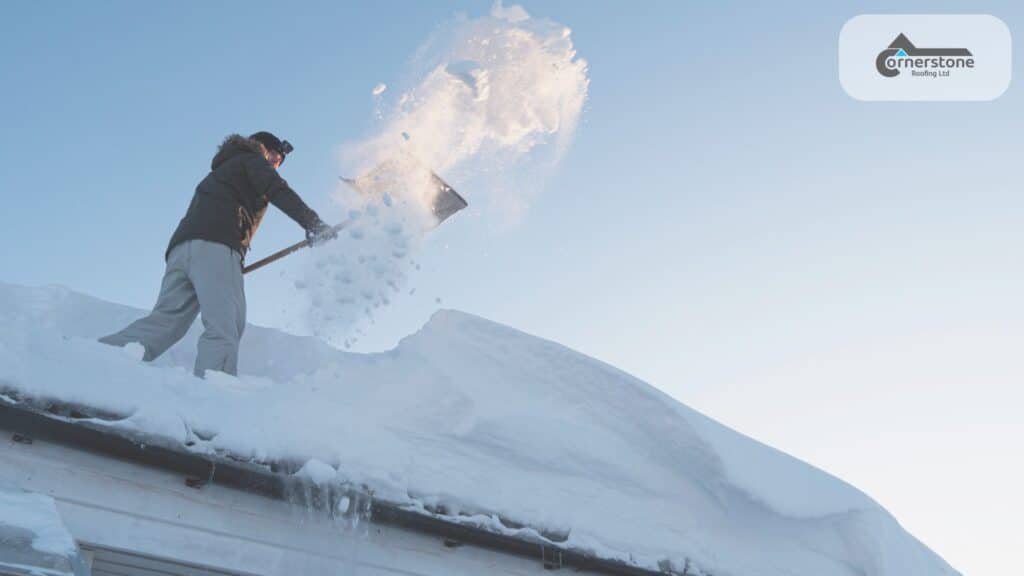
Using a roof rake can help prevent snow loads from becoming excessive and forming dangerous ice dams. It’s best to use a roof rake after every six inches of snowfall to keep the snow load manageable. However, using these tools requires care to avoid damaging the roof. Here are some tips for safe roof raking:
- Inspect the roof before use: This step helps identify loose shingles or potential hazards.
- Avoid power lines: When using a metal roof rake, be mindful of any nearby power lines to prevent electrical hazards.
- Watch out for falling snow and icicles: While raking, snow and ice can fall suddenly and might injure you or damage property below.
When to Avoid DIY Removal and Seek Professional Help
There are certain situations where it’s safer and more practical to call in professionals for snow and ice removal:
- Large properties: If you have a large area to clear, the physical labour and time needed can be overwhelming.
- Heavy snowfall: Professional equipment is more efficient at handling heavy, deep snow, reducing the risk of injury.
- Physical limitations: For individuals with health issues or physical limitations, it’s safer to avoid the risks associated with heavy lifting and prolonged exposure to cold.
- Consistent service: If you’re often away or have a busy schedule, hiring a professional ensures your property stays compliant with local snow removal regulations.
By following these guidelines, you can safely manage snow and ice on your roof, potentially avoiding significant damage and costs.
Regular inspections and maintenance are key in ensuring your roof withstands harsh winter conditions. In the next section, we’ll delve into understanding winter damage coverage in homeowner’s insurance, providing valuable information on how to protect your investment and handle any necessary claims effectively.
Insurance and Professional Help
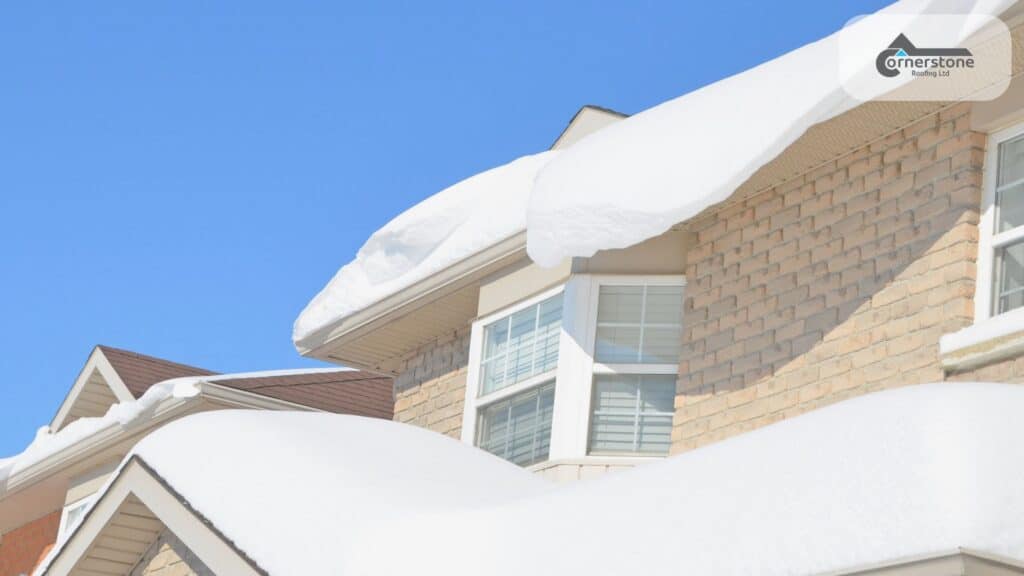
Navigating the complexities of winter damage to your roof can be daunting. Understanding your insurance coverage and knowing when to seek professional help are crucial steps in ensuring your home remains protected.
Understanding Winter Damage Coverage in Homeowner’s Insurance
Homeowner’s insurance typically covers various types of winter damage, including those caused by ice and heavy snow. A standard policy generally includes protection against hail, snow, sleet, and ice-related weights, as well as damage resulting from burst pipes due to freezing.
However, insurance policies have nuances that homeowners must understand. It’s essential to:
- Know your deductibles: Ensure you are aware of the deductible amounts specified for different types of damage.
- Understand policy exclusions: Some policies exclude specific types of coverage or require additional endorsements.
- Recognise policy limits: Certain damages may only be covered up to a set limit, with additional coverage necessary for full protection.
- Document pre-existing conditions: Maintain records of your roof’s condition before winter damage occurs. This documentation can be vital in substantiating your claim.
Additionally, actions taken immediately after damage, such as preventing further harm and documenting all interactions with your insurer, play a critical role in the claims process.
When to File an Insurance Claim for Snow and Ice Damage
Filing an insurance claim involves several critical steps to ensure a successful outcome:
- Notify your provider promptly: Contact your insurance company or agent as soon as possible after detecting the damage.
- Submit necessary documentation: Take photos of the damage and preserve any evidence. Include repair estimates and records of initial damage assessments.
- Request a damage assessment: Arrange for an adjuster to evaluate the extent of the damage and provide a cost estimate.
- Keep thorough records: Maintain copies of all communication with your insurance company, and document all repairs and maintenance activities.
These steps help ensure that your claim process is as smooth and expedient as possible.
Choosing Qualified Professionals for Winter Roof Maintenance
When winter roof damage occurs, choosing a qualified professional for repairs is crucial. Here are essential considerations:
- Licensing and Insurance: Verify that the contractor is properly licensed and insured to perform roof repairs in your area.
- Experience and Specialisation: Select professionals experienced in dealing with winter roof damage, particularly those who understand the nuances of handling snow and ice-related issues.
- Customer Reviews and References: Check reviews and request references to gauge the quality and reliability of the contractor’s work.
- Written Estimates and Agreements: Obtain detailed written estimates and ensure that all agreements are documented to avoid potential disputes.
Professional assistance is invaluable not only for repairs but also for navigating insurance claims, ensuring that all aspects of the claim are appropriately handled.
Understanding your insurance policy and recognising when to engage professional services are key to effectively managing winter roof damage. By taking these steps, you can safeguard your home and avoid costly repairs in the future.