Introduction
Flat roofs are a popular choice for many homeowners and property managers, offering benefits like modern aesthetics and efficient space usage. Understanding the signs indicating when to replace a flat roof is critical for maintaining structural integrity and overall property value. A flat roof plays a vital role in protecting your home, and neglecting this aspect of home maintenance can lead to costly repairs and significant structural issues.
Understanding Flat Roofs: Characteristics and Lifespan
What Are Flat Roofs?
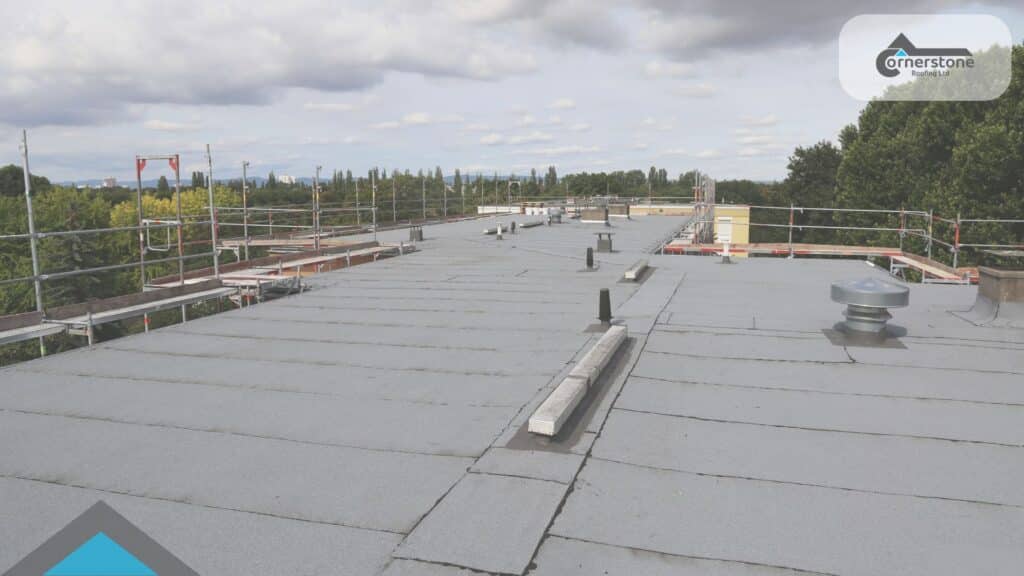
Flat roofs, characterised by their minimal pitch, are often found on residential homes, commercial buildings, and garages. While ‘flat’ suggests a completely horizontal structure, most flat roofs are designed with a slight slope to facilitate drainage, preventing water accumulation that can lead to major issues over time.
Common Types of Flat Roofing Materials
Several materials are commonly used in flat roofing construction, each with unique characteristics, advantages, and expected lifespans. The primary types include:
- Built-Up Roofing (BUR): This traditional method consists of layers of asphalt and roofing felt, known for its durability and excellent waterproofing. With proper maintenance, BUR systems typically last 20 to 30 years.
- Ethylene Propylene Diene Monomer (EPDM): This synthetic rubber is popular for its durability and flexibility, lasting approximately 25 to 30 years with proper care.
- Thermoplastic Olefin (TPO): A single-ply membrane that is energy-efficient and heat-reflective, TPO roofs generally have a lifespan of around 20 to 30 years when installed correctly.
- Felt Roofing: Also known as mineral-surfaced rolled roofing, felt roofing is a cost-efficient option primarily for residential applications, lasting about 10 to 15 years.
Factors Affecting Lifespan
Several factors can influence the lifespan and performance of flat roofing materials:
- Climate and Weather Conditions: Extreme weather, including heavy snowfall, frequent rainfall, or intense sunlight, can accelerate wear and tear.
- Installation Quality: A poorly installed roof can lead to leaks and premature deterioration.
- Maintenance Practices: Regular maintenance significantly extends a flat roof’s lifespan. Neglecting necessary upkeep often leads to more severe issues.
- Environmental Factors: Proximity to trees can introduce debris that contributes to degradation, while pollution can impact materials. Additionally, roof pitch and drainage systems significantly affect overall performance.
Understanding these characteristics and their implications helps homeowners and property managers make informed decisions regarding maintenance and potential roof replacement.
Common Signs Indicating a Need for Replacement
Identifying signs that a flat roof needs replacement is crucial for safeguarding your property. The most common indicators include:
- Leaks and Water Damage
One of the most evident signs for roof replacement is the presence of leaks. Water stains on ceilings or walls, damp patches, or mould growth are significant warnings. Excessive dampness may indicate material deterioration, compromised seals, or inadequate drainage. - Ponding Water
Ponding occurs when water remains on the roof surface for over 48 hours. This stagnation can accelerate wear on roofing materials and promote mould and rot. Regular inspections should check for pooling, especially after heavy rainfall. - Blisters and Splits
Blisters in roofing materials, such as EPDM and TPO, result from trapped moisture or excessive heat, compromising roof integrity. Splits or cracks in surface material also indicate wear and require prompt action to prevent further damage. - Visible Degradation
A deteriorating roof, evidenced by missing granules, faded patches, or visible cracks, suggests materials are nearing their lifespan. Regular inspections for surface damage, including tearing or peeling, are essential. - Curling Edges
Curling or lifting edges indicate material breakdown due to age or improper installation. Shrinking roofs can pull away from structures, creating gaps for moisture entry.
Conducting a Flat Roof Inspection
Regular inspections are vital for identifying potential issues early. Here’s how to conduct a thorough flat roof inspection:
Frequency
Inspect your roof at least twice a year; once in spring and again in autumn. This timing allows you to catch damage caused by winter weather and prepares you for upcoming seasons.
Look for Visible Signs
Start with the roof surface and check for damage such as punctures, cracks, or lifting edges.
Check the Drainage System
Ensure that all drains, scuppers, and gutters are clear of debris to maintain proper water flow.
Inspect Internal Spaces
Examine ceilings and walls within your home for any signs of water damage, stains, or mould.
Professional Assistance
If unsure about your inspection or the extent of damage, consider hiring a professional contractor for a comprehensive evaluation.
Promptly addressing these signs will prevent minor issues from escalating into significant problems necessitating costly repairs or complete replacements.
The Role of Maintenance in Extending Roof Lifespan
Regular maintenance is crucial for extending the lifespan of a flat roof. Many homeowners underestimate this importance, believing roofs do not require attention until major problems arise.
Best Practices for Flat Roof Maintenance
- Regular Cleaning: Remove debris, leaves, and trash to prevent drainage blockages and reduce ponds. Clear accumulated debris at least twice a year for smooth water flow.
- Debris Check: After storms or high winds, inspect the roof for debris that could damage the surface or clog drains.
- Inspect Seams and Joints: Check seams and joints regularly for signs of deterioration, ensuring all seals are intact.
- Check Flashings: Inspect roof flashings to confirm they are secure, particularly around chimneys or vent stacks, as damage here can lead to leaks.
- Professional Maintenance: Schedule a thorough assessment and maintenance by a qualified roofing professional at least once every five years. They can identify potential issues unnoticed by untrained eyes.
The Long-Term Impact of Maintenance
Regular maintenance can save homeowners a lot of money over time. By preventing small issues from developing into larger problems, you can extend the roof’s lifespan and avoid costly replacements. Additionally, a well-maintained roof improves energy efficiency, reducing heating and cooling costs.
Factors Influencing the Decision to Replace
Several factors help homeowners assess whether a flat roof should be replaced rather than repaired:
- Age of the Roof
Each roofing material has a defined lifespan. If your roof is nearing or exceeding its expected lifespan, it’s time for assessment. Be aware that:- BUR may need replacing after 20-30 years.
- EPDM and TPO typically last 25-30 years.
- Felt roofs generally need replacement after 10-15 years.
- Extent of Damage
Assess observable wear and tear to determine if replacement is necessary. Minor issues can often be repaired, while extensive damage may require replacement. - Energy Efficiency
Older roofs may lack the energy efficiency of newer materials, possibly leading to increased heating or cooling costs. If energy bills rise consistently, consider a replacement to improve efficiency. - Structural Integrity
If the building’s structure shows signs of deterioration due to water damage from the roof, a complete roof replacement may also require structural repairs. Evaluate the health of your roof in relation to the overall building. - Environmental Variables
Take into account the environmental conditions your flat roof faces. Areas with heavy rainfall or snowfall experience faster wear, necessitating earlier replacement. UV exposure can also affect material longevity, particularly in warmer climates.
By evaluating these factors, homeowners can make thoughtful decisions about their flat roofs, ensuring property integrity and occupant safety.
Cost Considerations for Replacement
Investing in a new flat roof is a significant decision, and understanding financial implications is crucial. Replacement costs vary widely based on elements like materials, labour, and additional expenses.
Material Costs
Flat roofing material prices can vary greatly. For example:
- BUR generally ranges from £30 to £50 per square metre.
- EPDM typically costs between £50 and £70 per square metre.
- TPO averages around £60 to £80 per square metre.
- Felt roofing usually costs about £20 to £40 per square metre.
Prices may change based on regional factors and specific project requirements.
Labour Costs
Labour costs will also affect overall expenditure. Contractors generally charge between £30 and £70 per hour, depending on expertise and project complexity. For larger roofs, labour can constitute a substantial portion of total costs, so obtaining multiple quotes is advisable.
Hidden Costs
Additional expenses may arise during a flat roof replacement, including:
- Old Roof Removal: If your existing roof requires removal, costs generally run from £10 to £30 per square metre for disposal, depending on materials.
- Inspection and Repairs: Replacement may reveal underlying structural damage, necessitating repairs that incur extra charges.
Long-Term Savings
Though initial costs may seem high, investing in durable materials and quality installation can yield significant long-term savings. Good insulation helps reduce energy bills, and sturdy materials require less frequent maintenance or replacement. Explore financing options, such as home improvement loans or contractor financing, to manage costs effectively.
Conclusion
Recognising when to replace your flat roof and understanding its lifespan are vital for your home’s integrity. Regular inspections and prompt maintenance can significantly extend your roof’s life. Ultimately, factors such as age, extent of damage, and environmental influences guide homeowners in making informed replacement decisions.
Flat roofs represent a considerable investment, offering both unique aesthetics and functional benefits. By committing to proactive maintenance and being vigilant for warning signs, you can create a secure living environment while preserving your property’s long-term value.
Start Prioritising Your Flat Roof Today!
Make proactive maintenance a key aspect of your property management and ensure your roof remains an asset, not a liability. With the right care, your flat roof can offer reliable protection for years to come.