Introduction
For UK homeowners, maintaining a pitched roof is crucial to ensure the longevity and integrity of your property. A well-maintained roof protects against the harsh British weather, enhances energy efficiency, and contributes to the overall aesthetics and value of your home. However, roofs do not last indefinitely. Knowing the signs your roof needs replacing can save you from expensive repairs and potential structural damage. This guide will delve into the most common indicators that suggest it’s time to consider roof replacement and offer practical advice for evaluating your pitched roof’s condition.
Throughout the article, we will address various aspects, including roof age, the implications of a leaky roof, and the importance of regular roof maintenance. Whether you notice visual signs of damage or want to be proactive about upkeep, this comprehensive guide will empower you with actionable insights.
Understanding Pitched Roofs and Their Importance
Defining Pitched Roofs
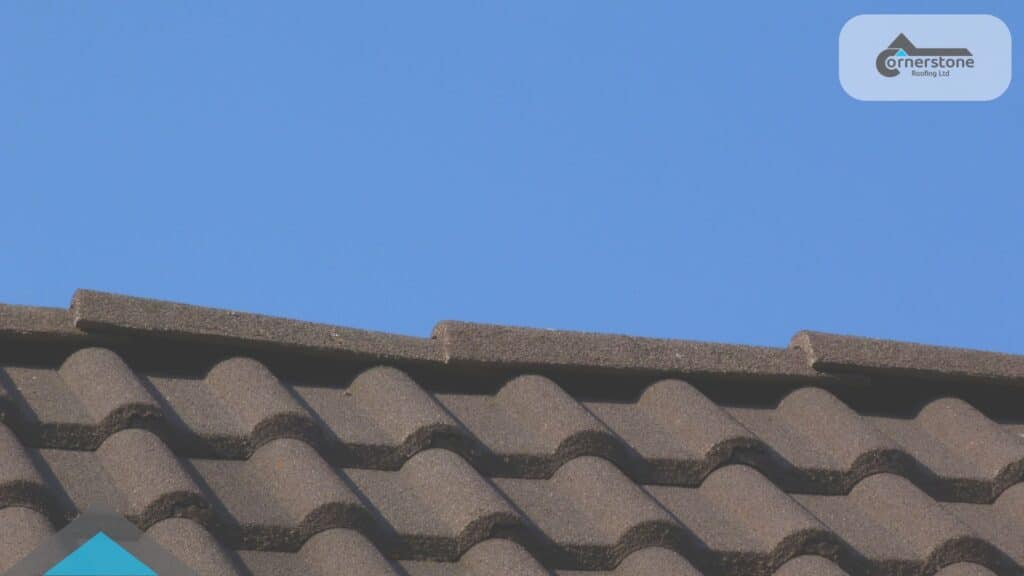
Pitched roofs, also known as sloped roofs, are designed with an incline that facilitates water drainage and enhances structural stability. These roofs can take various shapes, including gable, hip, and mansard styles, and are commonly found throughout the UK. Their primary advantages include improved water runoff, extended lifespan, and better ventilation compared to flat roofs.
Benefits in the UK Context
In the UK, where rainfall and varying temperatures are common, pitched roofs offer unique benefits:
- Effective Water Drainage: The slope of the roof allows rainwater to easily run off, reducing the likelihood of water pooling, which can lead to water damage.
- Temperature Regulation: A pitched roof can improve attic ventilation, helping to keep your home cooler in summer and warmer in winter.
- Aesthetic Appeal: Pitched roofs contribute to the classic charm of many UK homes, offering both character and practicality.
Understanding these benefits underscores the importance of identifying signs your roof needs replacing. Neglecting a compromised roof can lead to serious issues.
Common Signs That Your Pitched Roof Needs Replacing
Age of the Roof: How Long Is Too Long?
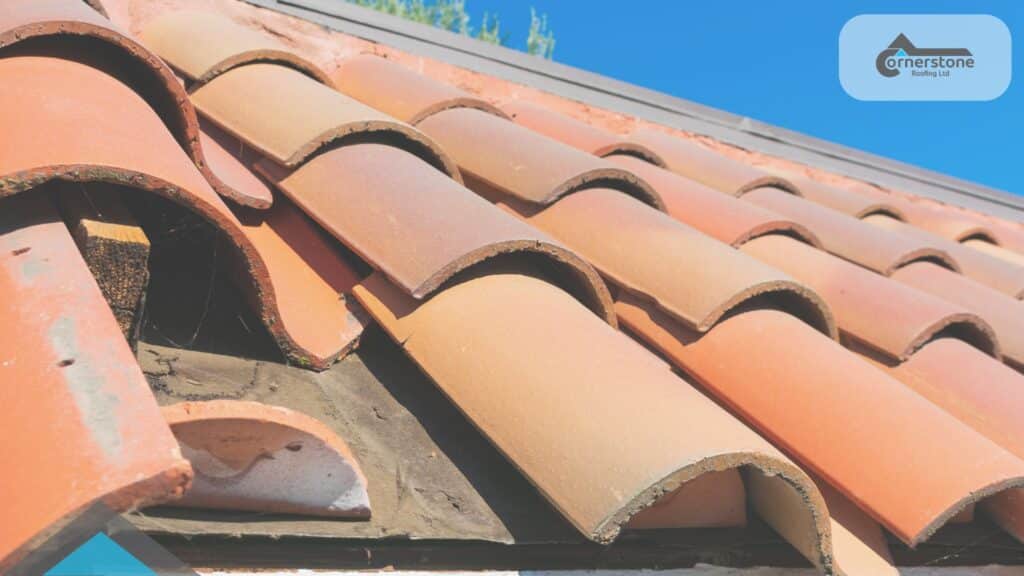
The typical lifespan of a pitched roof varies based on materials. For example, slate roofs can last up to 100 years, while tiled roofs generally last 50 years or more. However, as roofs approach the end of their lifespan, homeowners should be vigilant for the following signs:
- Discolouration: Faded tiles or slate may indicate that the protective layers of the material are degrading.
- Cracking or Breakage: Older tiles may not withstand harsh weather conditions as effectively, increasing the chance of damage.
- Frequent Repairs: If you frequently monitor your roof and make repairs, it’s likely time to consider a complete replacement.
Leaks and Water Damage: Identifying the Problem
A leaky roof is a clear indicator that your pitched roof requires attention. Water stains on ceilings prompting peeling paint or wallpaper are classic symptoms. When assessing potential leaks, consider the following:
- Visible Water Stains: Look for yellow or brown patches on interior walls and ceilings.
- Mould Growth: Damp spots can encourage mould, posing health risks and compromising structural integrity.
- Loss of Insulation: Persistent dampness can render insulation ineffective, increasing energy bills.
Taking immediate action is essential. Timely roof replacement can prevent complications like structural decay, which can be significantly more expensive to address.
Missing or Damaged Tiles: Keeping an Eye on Visual Signs
Regularly inspecting your pitched roof should be a crucial part of home maintenance. Look for:
- Cracked or Broken Tiles: These vulnerabilities can lead to leaks and water entry points.
- Completely Missing Tiles: Missing tiles can expose the roofing structure to the elements, accelerating damage.
Regular checks can significantly mitigate risks. Visual signs like these can often be remedied through replacement tiles, preventing the need for a full replacement if addressed early.
Sagging Roof: A Serious Structural Concern
A sagging roof often indicates significant structural issues, such as:
- Inadequate Support: The timber framework may weaken over time due to rot, water damage, or pest infestation.
- Excessive Weight: Accumulation of snow or debris can exert unnecessary pressure on the roof structure.
If you notice any sagging, seek professional advice immediately. Delaying action in this situation can lead to catastrophic failure, jeopardising your home and safety.
Moss and Algae Growth: A Hidden Issue
While they may seem harmless, moss and algae growth can indicate underlying moisture issues that may jeopardise your roof’s integrity. In the UK, where damp conditions are frequent, these problems can arise more often. Key points to consider include:
- Trapped Moisture: Moss retains water against the tiles or slates, potentially speeding up deterioration.
- Degraded Materials: Organic growth can erode roofing materials, leading to leaks.
Regular cleaning and treatment can keep moss and algae at bay, preserving the lifespan of your roof if managed proactively.
Comparing Repair and Replacement: What’s Best for Your Home?
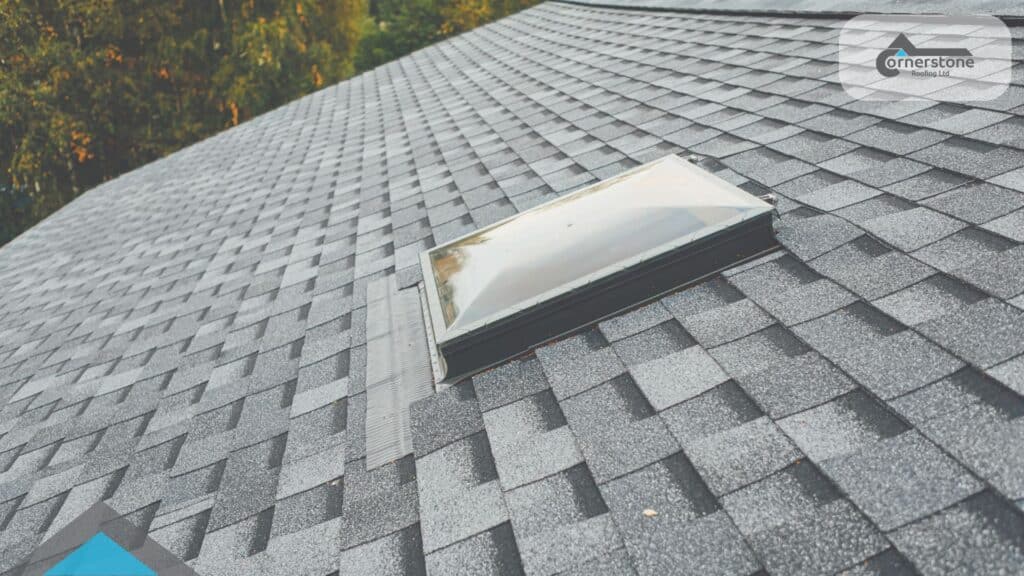
When assessing whether to repair or replace your pitched roof, consider the following:
Pros of Roof Repair
- Cost-Effective: Repairing a specific area typically costs less upfront than a full replacement.
- Quick Solution: Repairs often take less time, allowing you to return to normalcy swiftly.
Cons of Roof Repair
- Temporary Fix: Repairs may only address symptoms, not the core underlying issues.
- Frequent Repairs: If your roof nears the end of its lifespan, repairs can become a recurring expense.
Pros of Roof Replacement
- Long-Term Solution: A new roof provides years of protection, reducing anxiety over potential issues.
- Improved Efficiency: New roofing materials may enhance energy efficiency, saving you money on heating bills.
Cons of Roof Replacement
- Higher Initial Costs: The upfront cost of a new roof can be significant, depending on materials and the extent of work needed.
- Inconvenience: The process can be disruptive, requiring thorough planning.
Ultimately, assessing your situation requires a clear understanding of your roof’s condition, costs associated with repairs versus replacement, and how these align with your long-term housing goals.
Actionable Tips Section
Regular Maintenance Checklist for Homeowners
- Conduct Roof Inspections: At least twice a year, inspect your roof for visible damage, paying particular attention to flashing around vents and chimneys.
- Clear Gutters and Drains: Ensure your gutters are free of debris to prevent water pooling, which can damage the roof and lead to leaks.
- Look for Overhanging Branches: Trim branches that hang close to the roof to avoid damage during storms.
When to Seek Professional Help
- Significant Roof Age: If your roof is over 20 years old and showing signs of wear, consult a professional to explore options.
- Visible Damage: If you notice significant cracks, leaks, or sagging, it’s time to call for an assessment.
Measuring Roof Damage for Estimates
- Photograph Damage: Take clear pictures of issues for a visual record. This can be useful when consulting with a roofing professional.
- Gather Measurements: Knowing the dimensions of the damaged areas helps contractors provide accurate estimates.
Conclusion
Identifying the signs your roof needs replacing is essential for safeguarding your home and ensuring ongoing protection against the elements. Whether the age of the roof, signs of leakage, or moss growth, prompt action will always yield better results and help you avoid costly repairs.
If you notice any of the aforementioned signs, don’t hesitate to act. Investing in a roof replacement when necessary will ultimately contribute to your home’s aesthetic appeal, structural integrity, and value. Protect your investment and keep your home secure, start monitoring your roof today!