Understanding Average Roof Lifespans
One of the critical considerations for homeowners when evaluating their property is the expected lifespan of the roof. A roof’s longevity can directly impact a home’s overall value and maintenance expenses. On average, residential roofs may last anywhere from 25 to 75 years. This variation is influenced by several key factors, including the type and quality of the roofing materials used.
General Lifespan of Common Roofing Materials
Among the numerous types of roofing materials available, asphalt shingles are the most prevalent in residential properties. They typically last between 22 to 25 years. This makes them a cost-effective yet moderately durable option for most homeowners. However, their lifespan tends to be shorter compared to other material options.
The Variability in Roofing Material Lifespans
Different roofing materials come with their own estimated lifespans:
- 3-tab Asphalt Shingles: These shingles generally last between 15 to 20 years. They are cost-effective but offer shorter longevity due to their simpler construction.
- Architectural Shingles: These are more durable and thicker than 3-tab shingles, lasting approximately 22 to 25 years.
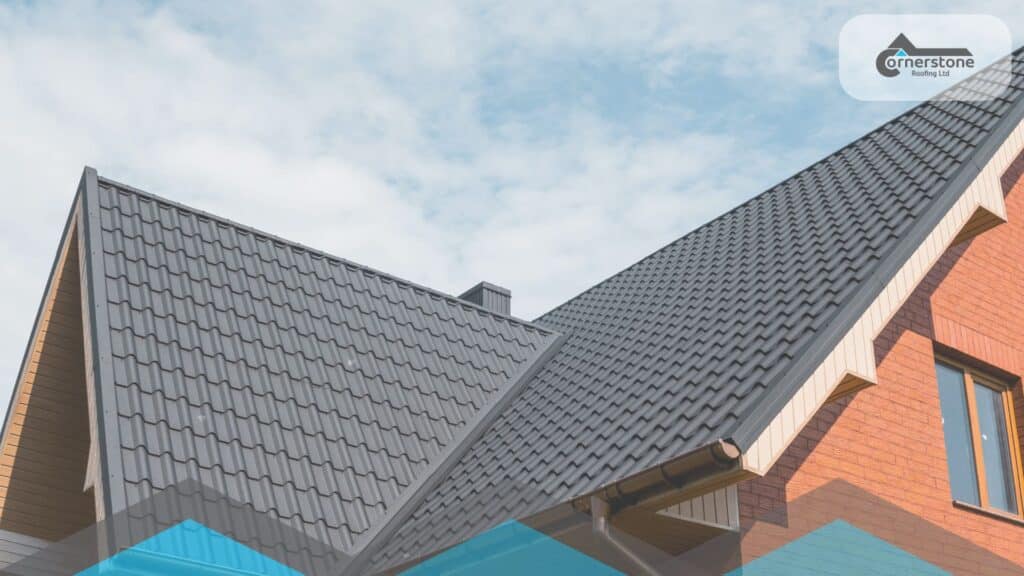
- Standing Seam Metal Roofs: Known for their robustness, these roofs can last from 30 to 50 years, making them a reliable but more expensive choice.
- Slate Roofs: Renowned for their long-lasting properties, slate roofs can endure for 75 to 100 years.
- Cedar Shake Roofs: These roofs provide a natural aesthetic appeal and can last between 30 to 50 years with appropriate and regular maintenance.
- Composite/Synthetic Shingles: These mimic traditional roofing materials but are made with more durable materials, contributing to an extended lifespan of 40 to 50 years.
Influencing Factors on Roof Longevity
The longevity of a roof is heavily influenced by several factors. Understanding these elements can help homeowners make informed decisions about roof maintenance and replacements.
Climate and Weather Conditions
Climate plays a significant role in roof longevity. Harsh weather conditions, such as extreme temperatures, high winds, and heavy rainfall, can drastically reduce the lifespan of roofing materials.
Quality of Installation and Materials
The quality of both the roofing materials and the installation process itself are crucial. Even the highest quality materials can fail prematurely if not installed correctly.
Ventilation and Insulation
Proper attic ventilation and insulation are essential for preventing heat build-up and moisture retention, which can lead to early deterioration of roofing materials. Ensuring a balanced attic environment can significantly increase a roof’s overall lifespan.
Regular Maintenance and Inspections
Routine inspections and maintenance can catch minor issues before they become serious problems, effectively extending the life of a roof. Neglecting regular maintenance can result in diminished roof performance and a reduced lifespan.
Roof Pitch and Solar Exposure
Roofs with steeper pitches and less direct sunlight exposure tend to last longer as they shed water and debris more efficiently and experience less thermal stress from the sun.
Understanding these average lifespans and influencing factors can help homeowners better prepare for future maintenance requirements and make informed decisions about their roofing needs. By being proactive, it’s possible to maximise the life of your roofing investment.
Lifespan by Roofing Material Type
3-Tab Asphalt Shingles
3-tab asphalt shingles are one of the most commonly used roofing materials in residential construction due to their affordability and easy installation. Typically, their lifespan ranges from 20 to 25 years, though this can be shorter if exposed to severe weather conditions. These shingles are more susceptible to damage from winds due to their thinner profile. Maintaining them involves regular inspections and repairs to extend their longevity.
Architectural Shingles
Architectural shingles, also known as dimensional shingles, offer an enhanced aesthetic and superior durability compared to 3-tab shingles. Their lifespan ranges from 25 to 30 years. These shingles are thicker and have a better ability to withstand adverse weather conditions, making them a preferred choice for homeowners seeking both resilience and visual appeal.
Standing Seam Metal Roofs
Standing seam metal roofs are known for their impressive longevity and durability, with lifespans ranging from 30 to 50 years. These roofs are highly resistant to wind damage, fire, and other extreme weather conditions. Their maintenance typically involves checking for loose seams and ensuring that fasteners are secure.
Slate Roofs
Slate roofs are among the most durable and long-lasting roofing materials, with a lifespan of 75 to 100 years. This incredible longevity comes with a higher initial cost and weight, which requires a strong structural support. Proper installation and regular maintenance, including checking for broken slates and proper flashing, are crucial for maximizing the lifespan of a slate roof.
Cedar Shake Roofs
Cedar shake roofs offer a natural and timeless look, and their lifespan can range from 30 to 50 years with proper maintenance. Cedar is naturally resistant to insects and rot, but it requires periodic treatments to preserve its condition. Regular maintenance involves cleaning moss, debris, and applying protective treatments to enhance durability.
Composite/Synthetic Shingles
Composite or synthetic shingles are designed to mimic the look of natural materials like wood or slate while providing enhanced durability. They have a lifespan of 40 to 50 years, making them a long-lasting option for homeowners. These shingles require minimal maintenance compared to natural materials, and are highly resistant to common roofing issues such as splitting and cracking.
Understanding the varying lifespans of these roofing materials can significantly influence your choice when considering a roof replacement or new installation. Each material offers distinct advantages and longevity, and selecting the right one based on your specific needs and maintenance capabilities can lead to a successful roofing project.

Factors Affecting Roof Longevity
The lifespan of a roof can be significantly influenced by various factors. Understanding these aspects can help homeowners make informed choices about roofing materials and maintenance routines to optimise the longevity of their roofs.
Climate and Weather Conditions
The climate and weather conditions in your area play a crucial role in determining how long your roof will last. Regions with extreme weather conditions such as heavy rainfall, high humidity, strong winds, and intense heat can accelerate the wear and tear of roofs. For instance, excessive heat can cause the shingles to dry out and crack, while persistent moisture from rain might lead to moss growth and water damage. It’s essential to select roofing materials that are suited to the specific climatic challenges of your region.
Quality of Installation and Materials Used
The quality of the materials used and the installation process significantly impact a roof’s longevity. High-quality materials generally offer better durability and resistance to weathering. For example, slate and metal roofs are known for their superior longevity due to their material properties. Equally important is the precision and expertise involved in the installation. A poorly installed roof, regardless of the quality of materials, is more likely to develop issues that can reduce its lifespan. Ensure that the installation is performed by skilled professionals to achieve the best results.
Proper Ventilation and Insulation
Proper attic ventilation and insulation are vital to maintaining the health of the roofing system. Without proper ventilation, trapped hot and cold air can cause significant damage to your roof. In the summer, heat build-up can deteriorate adhesives and cause shingles to crack or curl. Conversely, in colder months, insufficient ventilation can lead to moisture retention and the formation of ice dams, which further damages the roofing structure.
The insulation should be regularly inspected and maintained to ensure it effectively retains heat during winter and reduces heat ingress during summer. This balance keeps your attic and roof in good condition, prolonging their lifespan.
Regular Maintenance and Inspections
Regular maintenance and inspections are fundamental to extending the longevity of your roof. This includes routine tasks such as cleaning debris, inspecting for and repairing minor damages, and addressing potential issues before they escalate. The importance of these practices in preventing significant damage and ensuring any issues are resolved promptly. Engaging professional services for thorough inspections every 1-2 years is advisable to catch early signs of trouble such as leaks, damaged shingles, or mould growth.
Roof Pitch and Solar Exposure
The pitch and angle of your roof also affect its lifespan. Steeper roofs tend to shed water more effectively, reducing the likelihood of water pooling and consequent leakage or water damage. Moreover, the degree of solar exposure can impact the durability of the roofing material. Roofs with high exposure to intense sunlight need materials that can withstand UV radiation and heat, such as metal or slate.
The combined factors of climate, quality of materials and installation, ventilation, and regular upkeep work in concert to influence the overall health and longevity of your roof. Taking proactive measures to address these factors can significantly enhance the lifespan of your roof, ensuring it remains protective and aesthetically pleasing for many years.
Signs Your Roof Needs Replacement
Recognising the signs that your roof needs replacement can prevent widespread damage and expensive repairs. Here are key indicators homeowners should watch for:
Visible Damage: Curled Shingles, Missing Granules, and Cracks
One of the most obvious signs of a deteriorating roof is visible damage to the shingles. Shingles that have curled edges, are cracked, or are missing granules are no longer providing the necessary protection. The granules serve as a barrier against harmful UV rays, and their absence can lead to faster degradation of the shingle material. Curled or cracked shingles result from prolonged exposure to weather conditions and represent a clear signal that your roof needs attention.
Water Stains and Leaks in the Attic or Ceiling
Water stains on your ceiling and leaks in your attic are serious indicators that your roof might need replacing. These stains often appear as dark spots or discolourations and are usually the first signs of water intrusion. Leaks can be due to worn out or damaged shingles, deteriorated flashing around vents and chimneys, or inadequate sealing. Immediate attention to these issues is crucial, as prolonged exposure to moisture can lead to mould growth and structural damage.
Age of Roof Exceeding 20 Years
The age of your roof is a significant factor in determining its condition. Most roofs, particularly those with asphalt shingles, have an effective lifespan of around 20 to 30 years. If your roof is approaching or has exceeded this age, it is prudent to consider an inspection or replacement. While some materials like slate or metal have longer lifespans, an aged asphalt roof’s protective capabilities diminish over time, making it more prone to damage.
Moss Growth and Dark Streaks on Roof Surface
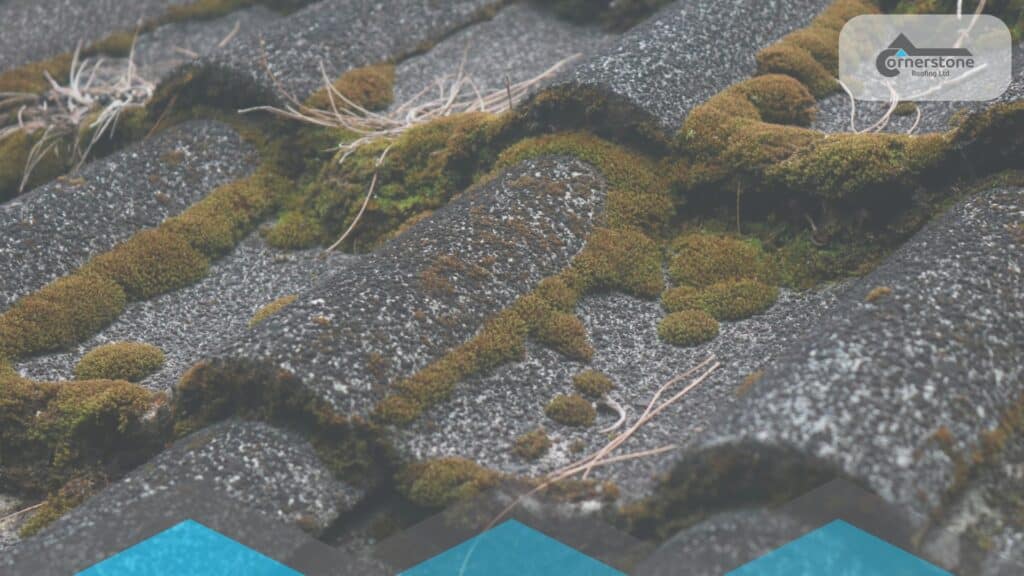
Moss growth and dark streaks on your roof surface are indicators of underlying issues. Moss thrives in cool, damp environments and can grow between shingles, lifting them apart and allowing water to seep in. This growth is not only unsightly but also damaging, as it traps moisture against the roof surface, accelerating wear. Dark streaks are often caused by algae and can signal the presence of moisture. Maintaining a clean roof and ensuring proper drainage can help, but significant moss or algae presence may mean it is time for a roof replacement.
By keeping an eye out for these signs, homeowners can take proactive steps to replace their roofs before more extensive damage occurs. Regular maintenance and prompt repairs are essential for extending the longevity of your roof.
Extending Your Roof’s Lifespan
Ensuring your roof reaches its maximum potential lifespan requires consistent care and attention. Certain practices can greatly contribute to the longevity of your roofing system. These practices include regular cleaning, prompt repair of minor damages, maintaining proper attic ventilation, conducting professional inspections, and ensuring gutter maintenance. Let’s delve deeper into each practice.
Regular Cleaning and Debris Removal
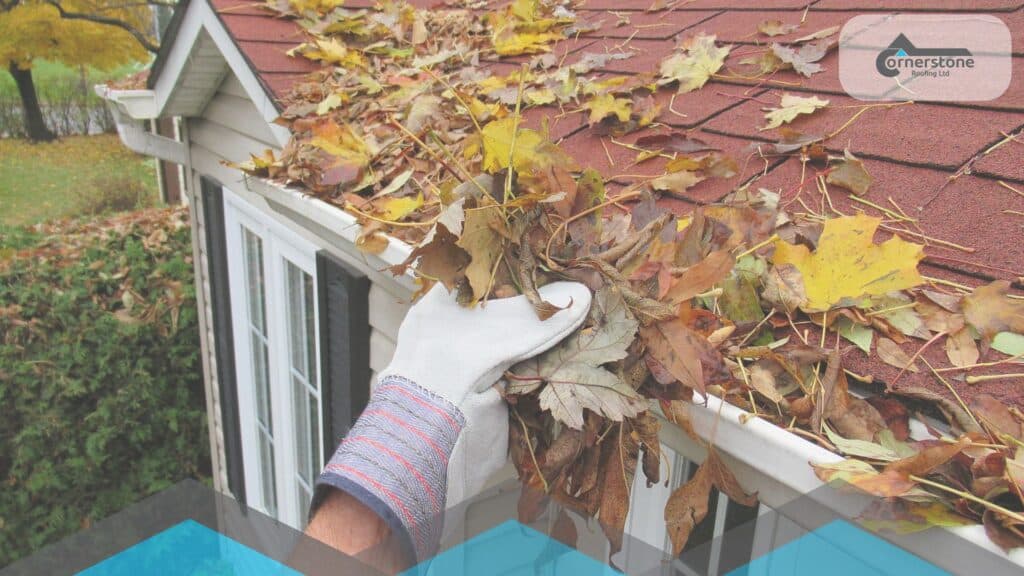
One of the simplest yet most effective ways to extend your roof’s lifespan is to keep it clean. Over time, roofs can accumulate debris such as leaves, branches, and dirt, which can trap moisture and cause damage.
- Debris Removal: Regularly eliminate debris to minimise the risk of water buildup, which can lead to leaks and rot. This is particularly crucial after storms or heavy winds.
- Moss and Algae Control: Control moss and algae growth, as they retain moisture and can damage roofing materials. Consider applying moss and algae treatments as needed.
Cleaning should be done at least once a year, or more frequently if you live in areas with dense foliage. Discarding debris and controlling growth substances can be a bi-annual routine following seasonal changes.
Prompt Repairs of Minor Damage
Minor roof issues can escalate into major problems if not addressed timely. Regularly inspect your roof for signs of damage and ensure prompt repairs to prevent small issues from getting worse.
- Shingle Replacement: Look out for curled, cracked, or missing shingles and replace them swiftly to prevent water penetration and further damage.
- Fixing Leaks: Repair leaks quickly to mitigate the risk of internal damage. Even a small leak can lead to significant problems if left unattended.
Proactively resolving minor damages can save substantial repair costs and help in maintaining the integrity of your roofing system.
Proper Attic Ventilation Maintenance
Proper attic ventilation is essential for regulating temperature and moisture levels in your roof space. Adequate ventilation can significantly extend the lifespan of your roofing system.
- Preventing Heat Damage: Proper ventilation helps to avoid overheating in summer months, which can cause roofing materials to degrade prematurely.
- Moisture Control: Ventilation prevents condensation build-up, reducing the likelihood of wood rot and mould growth.
Maintaining good attic ventilation can be achieved through the installation of ridge vents or attic fans. Professional advice can be invaluable in optimising ventilation systems suited to your roof type.
Professional Inspections Every 1-2 Years
Even with regular self-maintenance, professional inspections are crucial for a comprehensive assessment of your roof’s condition. Professional roofers can identify issues that might be missed during routine checks.
- Detailed Assessments: Roof inspections should be carried out by professionals at least once every 1-2 years. They have the expertise to identify subtle signs of damage that can be easily overlooked.
- Storm Damage Checks: After severe weather conditions, professional inspections ensure that all potential damages are identified and rectified.
Regular professional assessments help in detecting and addressing potential issues early, preventing costly repairs and prolonging your roof’s lifespan.
Gutter Maintenance and Tree Trimming
Maintaining your roof also includes taking care of the surrounding elements that can affect its durability.
- Gutter Cleaning: Clean gutters facilitate proper water drainage from the roof, helping to prevent water damage and ice dams in colder climates. Ensure that gutters are cleaned and inspected regularly to avoid blockages.
- Tree Trimming: Trim overhanging branches to prevent them from rubbing against the roof, which can cause physical damage over time. Additionally, falling leaves and branches contribute to debris accumulation.
Frequent gutter maintenance and tree trimming are essential for preventing damage caused by natural elements around your home.
By integrating these practices into your regular home maintenance routine, you can ensure that your roof remains in optimal condition for as long as possible. Consistent attention to these areas can make a significant difference, extending your roof’s functional lifespan and safeguarding your home against potential issues.