Selecting the right roofing contractor is a crucial decision for homeowners, property managers, and building professionals alike. The quality of roofing directly impacts a property’s value, safety, and aesthetics. A well-installed roof protects your investment and enhances curb appeal, ensures energy efficiency, and promotes overall comfort. However, the complexity of roofing services requires a meticulous approach to choosing a contractor.
Understanding Roofing Contracts
When engaging with a roofing contractor, the first step is ensuring a solid understanding of roofing contracts, which serve as the blueprint for your project. A comprehensive contract should include several fundamental components.
Key Elements of a Roofing Contract
- Scope of Work: This outlines the specific tasks to be performed. For instance, will your contractor only be replacing shingles, or will they also address underlying structural issues?
- Materials Used: Specify the type and quality of materials. Ask if the contractor offers warranties on these materials.
- Payment Schedules: Understand how payment will be structured. Is there an upfront deposit, and what are the percentages for progress payments?
- Warranties: A contract should detail warranties provided by both the manufacturer and the contractor, crucial for ensuring quality and longevity.
By having these details clearly articulated in writing, you can prevent misunderstandings that may arise during the project. This alignment can lead to more satisfactory outcomes.
Licensing and Insurance
Before hiring any roofing contractor, it’s essential to verify their licensing and insurance credentials. A legitimate contractor should possess all necessary licenses mandated by local and regional authorities. In the UK, roofing contractors may be required to adhere to strict building codes, depending on the services they provide.
Importance of Insurance
Equally important is a contractor’s insurance coverage. Ask whether the contractor has:
- Liability Insurance: This protects you in case of accidental damage to your property during the roofing project.
- Workers’ Compensation: This insurance covers medical costs in the event of a worker injury on the job site, protecting you from liability.
These qualifications are beneficial for your peace of mind and shield you from potential legal complications in the event of an accident or mishap.
Experience and References
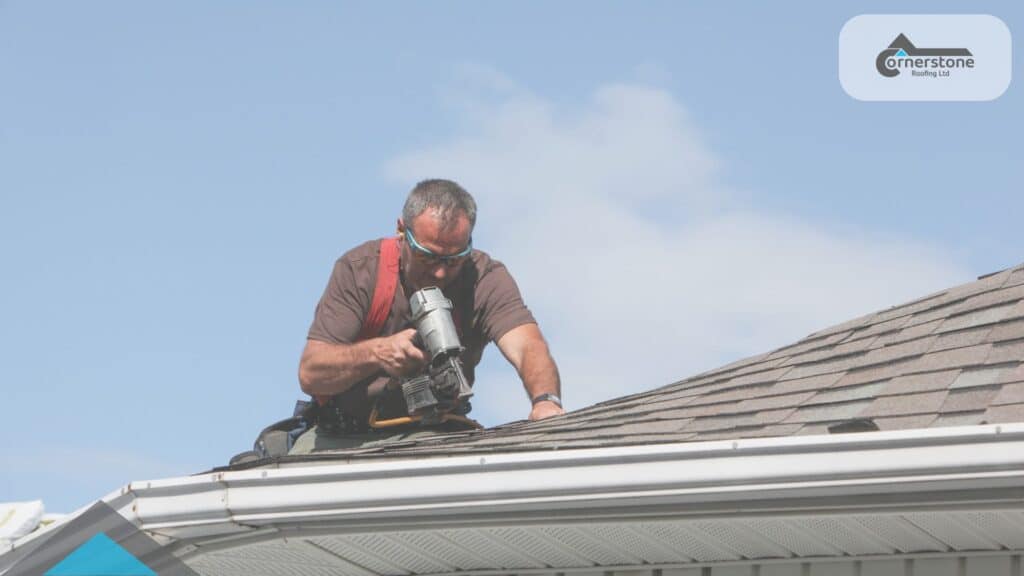
Experience is a vital indicator of a contractor’s capability to deliver high-quality work. When assessing potential roofing contractors, inquire about their previous projects, specifically the types of roofs they have dealt with, such as residential, commercial, pitched, or flat roofs.
Benefits of Experience
- Varied Skill Set: Experienced contractors are more likely to have encountered and resolved a range of challenges.
- Better Quality Control: A long-standing presence in the industry typically means established quality control measures.
Requesting references from past clients can provide invaluable insights into a contractor’s work ethic and reliability. Following up with these references about their satisfaction with the project, timeliness, and overall quality of work is important.
Warranty and Aftercare
Understanding the warranty associated with both roofing materials and workmanship is essential for any roofing project. A well-defined warranty can save you considerable time and money should unforeseen issues arise post-installation.
Types of Warranties
- Material Warranties: These typically cover defects in materials and may vary by product and manufacturer.
- Workmanship Warranties: Provided by the contractor, these cover the workmanship associated with the installation.
Additionally, inquire about aftercare services the contractor provides. This may involve routine inspections, maintenance recommendations, or care guidelines. Understanding these protocols can significantly extend your roof’s lifespan.
Communication and Professionalism
Effective communication is key in any contractor-client relationship. A professional contractor should exhibit qualities such as responsiveness, clarity, and integrity.
Evaluation of Communication Skills
When you initiate contact with potential roofing contractors, observe how promptly and clearly they respond to your inquiries. Are they willing to take the time to explain the nuances of your project? Good communication not only sets the stage for a smooth working relationship but also indicates a contractor’s professionalism and commitment to customer satisfaction.
Consider asking potential contractors about their preferred communication methods to ensure they can meet your expectations. This aspect can significantly enhance your overall roofing experience.
Timeline and Project Management
Understanding the typical timelines involved in roofing projects is crucial for both planning and budgeting. Each project is unique, and factors such as weather conditions and material availability can influence timelines.
Managing Expectations
When discussing the timeline with potential contractors, consider the following:
- Projected Start Date: When can you expect work to begin?
- Estimated Duration: How long will the project take to complete?
- Handling Delays: What protocols does the contractor have in place for unexpected delays?
Having a clearly defined project timeline allows for better planning and prepares you for potential disruptions. Ensure the contractor commits to regular updates throughout the project to keep you informed.
Health and Safety Practices
A responsible roofing contractor must adhere to established health and safety standards. The importance of safety protocols during roofing installation cannot be overstated, as improper safety measures can lead to accidents and injuries.
Key Safety Practices
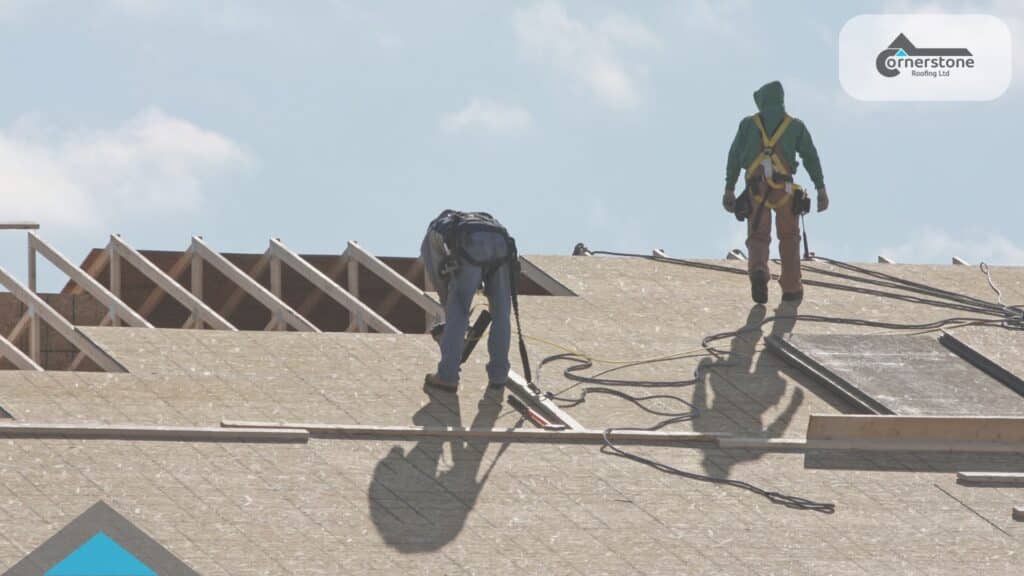
- Use of Safety Gear: Ensure that workers wear appropriate safety gear, including helmets, harnesses, and gloves.
- Compliance with Local Regulations: Ask whether the contractor is familiar with and follows all local safety regulations.
Understanding the safety measures a contractor employs not only protects their workers but also ensures that your property remains secure throughout the project.
Payment Terms and Financial Transparency
Financial arrangements are often sources of misunderstandings in roofing projects. It’s imperative to clarify the payment structure before signing any contract.
Sustainability and Environmentally Friendly Options
With increasing awareness of environmental issues, many property owners now look for eco-friendly options when roofing. As a homeowner, you may wish to inquire about sustainable roofing materials and energy-efficient solutions.
Questions to Ask About Sustainable Practices
- Material Sourcing: Are the materials sourced sustainably?
- Energy Efficiency: Does the contractor offer roofing options that improve energy efficiency, such as reflective materials?
Opting for greener roofing solutions benefits the environment and leads to reduced energy consumption, thereby lowering your utility costs.
Conclusion
Choosing a roofing contractor is a significant decision that requires careful consideration. Homeowners, property managers, and building professionals must ask the right questions to ensure they select a reliable contractor capable of delivering high-quality work.
By understanding roofing contracts, verifying licensing and insurance, assessing experience, and evaluating communication, you equip yourself to make informed decisions. Use these essential insights to ensure that your selected contractor meets your immediate needs and long-term expectations.