Introduction
Storm damage can cause severe issues for pitched roofs, affecting not only their structural integrity but also the safety of your entire home. Responding promptly to these problems is crucial; neglecting roof repairs can lead to serious consequences, such as water leaks, mould growth, or even structural collapse.
Understanding Pitched Roofs
The Design and Materials of Pitched Roofs
Pitched roofs feature sloped surfaces that facilitate effective water drainage, preventing the accumulation of snow and debris. This design significantly enhances their resilience against storm conditions. The most common materials used for pitched roofs include:
- Asphalt Shingles: Affordable and well-liked for their versatility.
- Slate: Durable and effective, but typically more expensive and heavier.
- Tile: Known for aesthetics and longevity, but requires a robust underlying structure due to their weight.
- Metal Roofing: Increasingly favoured for its durability and weather resistance, making it an excellent choice for areas prone to severe storms.
The combination of these materials and the pitched design provides excellent wind resistance, enabling roofs to withstand the powerful gusts that storms can bring.
Advantages of Pitched Roofs
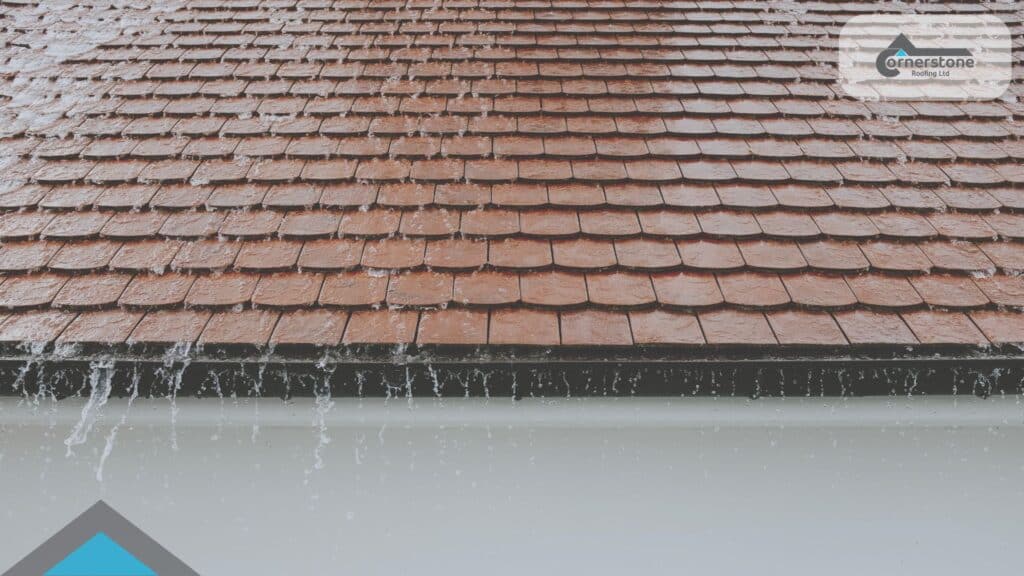
- Effective Water Drainage: The slope allows rainwater and melting snow to swiftly run off, reducing leak risk and potential structural damage over time.
- Wind Resistance: Their aerodynamic shape lowers wind-induced uplift, reducing the chance of losing roofing materials during storms.
- Ventilation and Insulation: Pitched roofs promote optimal ventilation, contributing to energy efficiency by minimising moisture accumulation and heating costs.
- Aesthetic Appeal: These roofs often complement various architectural styles, enhancing a property’s curb appeal.
- Long Lifespan: When properly maintained, pitched roofs can last for decades, making them a cost-effective option over time.
Common Types of Storm Damage
Understanding the types of storm damage that may occur is vital for effective repairs and prevention. Here are the most frequent issues:
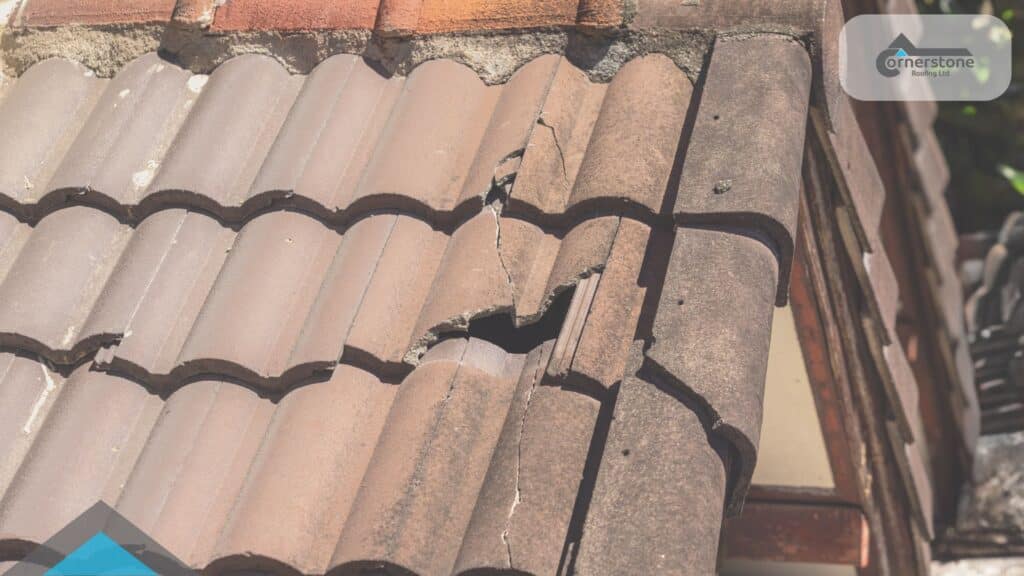
- Missing or Damaged Shingles: High winds can easily dislodge shingles, leaving parts of the roof exposed. This can lead to water leaks, resulting in mould growth and compromising the roof’s overall integrity. Heavy rain exacerbates the situation, causing costly damage inside the home.
- Compromised Flashing: Flashing seals joints and prevents water from seeping into your home. Storms often damage this crucial element, especially around chimneys, vents, and skylights. Compromised flashing can create pathways for water to penetrate beneath roofing materials.
- Structural Impacts: Severe weather may result in sagging roofs or visible displacements. Heavy rain combined with strong winds can lead to shifts in the roofing system, raising concerns about compromised load-bearing capacity.
Examples of Material-Specific Damage
- Asphalt Shingles: Hail can cause dents or cracks, making them more vulnerable to future water damage.
- Tile Roofs: Heavy debris, such as fallen branches, can crack tiles and lead to immediate leaks.
- Metal Roofing: Strong winds can pry metal panels loose, potentially pulling them free from their fastenings.
Immediate Response Steps
Safety First
Your first priority after a storm is ensuring safety. Assess damage from the ground to avoid potential hazards. Climbing onto a damaged roof can be dangerous and can worsen existing damage. Look for signs of instability, such as sagging or breaches in the roofline.
Document the Damage
Accurate documentation is vital for insurance claims. Take clear photographs of the damage from various angles and compile a list of lost or damaged items. If applicable, keep receipts for any temporary repairs made during this assessment phase; this information is crucial for supporting your claim.
Communicate with Local Authorities
If storm debris poses a risk to public safety, contact local authorities. They can assist with road clearing or evaluating the structural safety of fallen trees near power lines.
Assessment and Inspection
The Importance of a Thorough Inspection
Once immediate safety concerns are addressed, it’s essential to conduct a comprehensive assessment of your roof. While some damage is visible to the untrained eye, many issues may remain hidden beneath the surface.
Conducting Visual Inspections
- Look for Obvious Damage: Check for missing shingles, loose flashing, and any dents or cracks.
- Inspect Gutters and Drains: Ensure they are free of debris, as clogged drains can cause water pooling on the roof.
Engaging a Professional Roofer
While homeowners can conduct initial assessments, it’s advisable to hire a qualified roofing inspector for a detailed examination. Professionals can identify hidden issues that require specialised tools or knowledge. An experienced roofer will assess:
- Material Condition: Evaluating wear and tear on roofing materials.
- Flashing Integrity: Checking for leaks around chimneys and vents.
- Structural Soundness: Ensuring trusses, rafters, and sheathing remain intact.
Repair Options
Temporary Fixes
In some cases, immediate solutions are necessary to prevent further damage while planning long-term repairs. Temporary fixes might include:
- Tarping: Covering damaged areas with tarps can shield against rain until permanent repairs can be arranged. Ensure that the tarp is secured tightly to prevent wind from lifting it.
- Sealant: Applying roofing sealant around damaged flashing can temporarily prevent leaks.
Permanent Repair Solutions
- Shingle Replacement: If shingles are missing or damaged, replace them with new ones that match the existing material as closely as possible.
- Flashing Repair or Replacement: Damaged flashing should be resealed or replaced entirely to maintain a waterproof barrier.
- Structural Reinforcements: For roofs with significant structural problems, additional supports or complete sections may need replacing.
The DIY Approach vs. Hiring Professionals
Many homeowners may contemplate DIY repairs to save on costs, especially for minor issues. While some fixes are achievable, substantial repairs should be left to professionals. Consider these factors before deciding:
- Skill Set: Do you have the necessary skills and tools for a specific repair?
- Safety Risks: Climbing onto a roof carries inherent risks; professional roofers have the training to work safely.
- Long-Term Durability: Professional repairs are likely to be more durable and compliant with local building codes.
Preventative Measures for Future Storms
Regular Maintenance
Regular maintenance is essential for prolonging the life of any pitched roof. Schedule inspections at least twice yearly or more frequently after severe weather events.
- Inspect for Damaged Materials: Regularly check for signs of wear, particularly around flashing and seams.
- Debris Removal: Regularly clear your roof and gutters of leaves, branches, and other debris to prevent blockage and moisture accumulation.
Enhance Drainage Systems
It’s crucial to inspect existing drainage systems to ensure they function properly. Installing gutter guards can reduce the likelihood of clogs while optimising water runoff.
Selecting Quality Materials
When planning a roof replacement or significant repairs, invest in high-quality materials designed to withstand severe weather. Examples include:
- Impact-Resistant Shingles: These can effectively endure hail damage.
- Metal Roofs: Typically have longer lifespans and superior performance against extreme weather conditions.
Conclusion
Timely and effective responses to pitched roof storm damage are essential for maintaining both the safety and structural integrity of residential properties. By understanding the characteristics of pitched roofs, recognising common storm-related damage, and knowing how to respond effectively, homeowners can make informed decisions about repairs and maintenance. Remember, neglecting ongoing care can lead to exacerbated issues and greater repair costs in the long run.
By remaining vigilant and proactive, homeowners can safeguard their properties and enhance their roofs’ longevity against future storms. If you find yourself struggling with storm damage repairs, don’t hesitate to consult professionals who can provide the expertise needed for effective restoration.