Introduction to BS 5534 and Mortar in Ridgeline Construction
Overview of BS 5534 and Its Importance in Roofing
The British Standard 5534, often referred to as BS 5534, is a critical code of practice for slating and tiling on pitched roofs and vertical cladding. This standard sets out comprehensive guidelines to ensure the performance, durability, and security of roofing structures. It is vital for anyone involved in the roofing industry, from designers and specifiers to installers, to adhere to these regulations. The importance of BS 5534 cannot be overemphasised; it lays a foundation for best practices in roofing that protect buildings from the elements and ensure long-term structural stability.
Role of Mortar in Ridgeline Construction
Mortar plays a pivotal role in ridgeline construction. It is a mixture of sand, cement or lime, and water, used to bind the ridgeline tiles and roof structures together. For centuries, mortar has been employed in construction due to its ability to bridge gaps between masonry units, distribute load evenly, and provide structural integrity. In roofing, Mortar, in conjunction with a mechanical fix, secures ridge tiles, preventing water ingress. The effectiveness of mortar in enhancing durability and weather resistance makes it indispensable in ridgeline construction.
Need for Integrating Mechanical Fixing with Mortar Use
While mortar is essential for its bonding properties, modern roofing standards such as BS 5534 advocate for the integration of mechanical fixings. This dual approach addresses several limitations of relying solely on mortar. Mechanical fixings—such as nails, screws, and clips—provide additional security, ensuring that tiles remain in place even in severe weather conditions. For instance, BS 5534 specifies that all slates must be mechanically fixed to enhance the overall roof security, particularly against wind uplift and other extreme conditions.
Combining mechanical fixings with mortar not only meets the stringent requirements of BS 5534 but also extends the lifespan of roofing systems. The mechanical fixings hold the tiles in place while the mortar seals gaps and provides a finished appearance. This integrated approach mitigates the risks associated with the sole use of mortar, like cracking and weathering over time, thus ensuring a robust and compliant roofing solution.
Understanding BS 5534 Requirements

Key Aspects of BS 5534 Related to Ridgeline Construction
The BS 5534 is the UK standard for slating and tiling. This code of practice applies to pitched roofs and vertical cladding, offering detailed guidelines for construction to ensure both effectiveness and durability. The regulations cover the installation of slates and tiles and extend to timber shingles and shakes, providing a comprehensive framework for roofing practices.
Mechanical Fixing Specifications for Roof Tiles and Slates
Mechanical fixing has become an integral part of roofing due to updates in BS 5534, responding to increased weather extremities and the necessity for more secure installations. The standard mandates that all single lap tiles and slates be mechanically fixed. This usually involves nails and clips, especially around the roof’s perimeter where wind uplift is most impactful. The regulation also specifies that ridge and hip tiles must not only be bedded in mortar but also mechanically fixed for enhanced durability and safety.
For ridge tiles, it is essential that they are mechanically fixed even when used with mortar as it helps to significantly reduce future maintenance requirements and ensure structural stability. These fixings are typically combined with mortar to form a robust and weathertight barrier that can withstand heavy wind and rain.
Implications for Traditional Roofing Methods
The shift towards mechanical fixing denotes a significant change from traditional roofing methods that relied heavily on mortar alone. Historically, mortar was the primary material to secure ridge and hip tiles, but increased susceptibility to severe weather has shown the limitations of this approach. The BS 5534 updates insist on mechanical fixings in addition to mortar to provide a multi-layered defence against environmental forces.
This transition doesn’t discard traditional craftsmanship but rather enhances it with modern techniques. Roofers now need to be skilled not only in traditional mortar application but also in the correct use of mechanical fixings, ensuring that roofs are built to withstand harsher conditions while preserving aesthetic and structural integrity. These specifications of BS 5534 aim to harmonise with European standards, reinforcing the durability and safety of roofing systems installed across different geographies and climates.
These key elements of BS 5534 outline the fundamental shift towards safer, longer-lasting roofing solutions. By combining traditional methods with advanced mechanical fixings, roofers can achieve compliance with BS 5534, ensuring both the immediate effectiveness and long-term reliability of their roofing installations.
Selecting Appropriate Materials
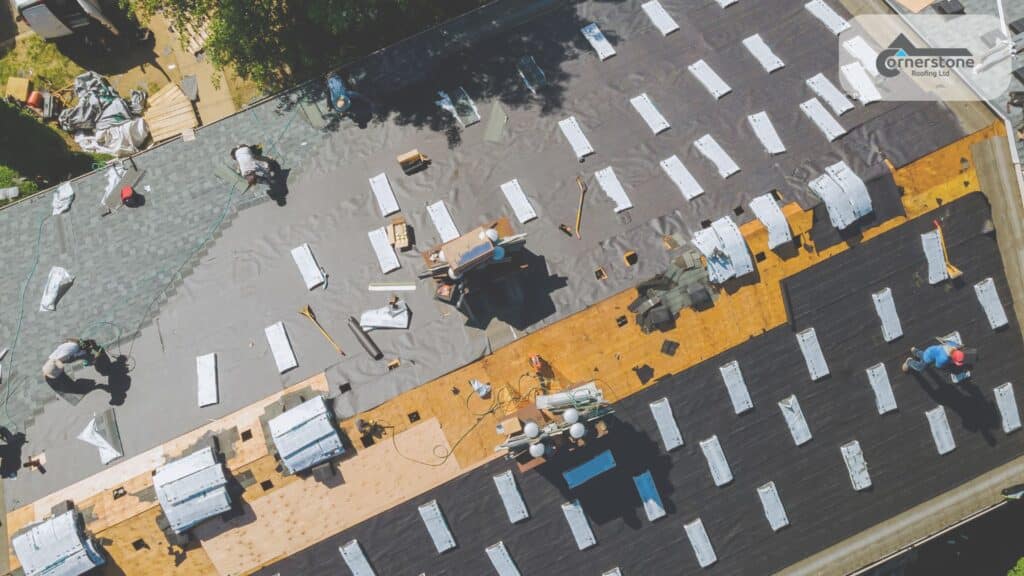
Choosing the right materials is pivotal for achieving compliance with BS 5534 and ensuring durable roofing. Specifically, selecting a mortar mix compliant with BS EN 998-2 is crucial. Let’s delve into the key considerations for mortar mix and its components.
Choosing Mortar Mix Compliant with BS EN 998-2
BS EN 998-2 outlines requirements for factory-made masonry mortars used in walls, columns, and partitions. This standard ensures the mortar’s suitability for various structural and non-structural applications.
Importance of Flexibility, Adhesion, and Weather Resistance
A compliant mortar mix must exhibit flexibility, strong adhesion, and robust weather resistance:
- Flexibility: Flexibility is crucial as it allows the mortar to accommodate minor movements in the structure without cracking. Lime is often added to mortar mixes to enhance their flexibility and elasticity.
- Adhesion: Good adhesion ensures that the mortar bonds effectively with bricks or stones, which is essential for structural integrity and water resistance. The primary quality of mortar is to provide strong adhesion to the building units.
- Weather Resistance: Mortar should be able to withstand a certain degree of harsh weather conditions for a certain period of time, depending on the specific type of mortar and the conditions it is exposed to. This includes resisting water penetration and frost damage. Properly mixed mortar enhances frost resistance and longevity.
Recommended Mortar Mix Components for Durability
For a durable and compliant mortar mix, the following components are recommended:
- Portland Cement: This provides strength and durability to the mortar. The most commonly used cement in mortar mixes, it ensures the mixture’s compressive strength.
- Hydrated Lime: Lime adds flexibility and plasticity. This makes the mortar easier to work with and enhances its water retention properties, contributing to long-term durability.
- Sand: Sand acts as a filler and bonding agent in the mix. It’s critical for the mortar’s bulk and workability. Typical sand-to-cement ratios range from 1:3 to 1:6, depending on the desired strength and application.
Choosing the correct mix components ensures the mortar’s compliance with BS EN 998-2, culminating in a robust, long-lasting roof.
Mechanical Fixing Techniques
Types of Mechanical Fixings
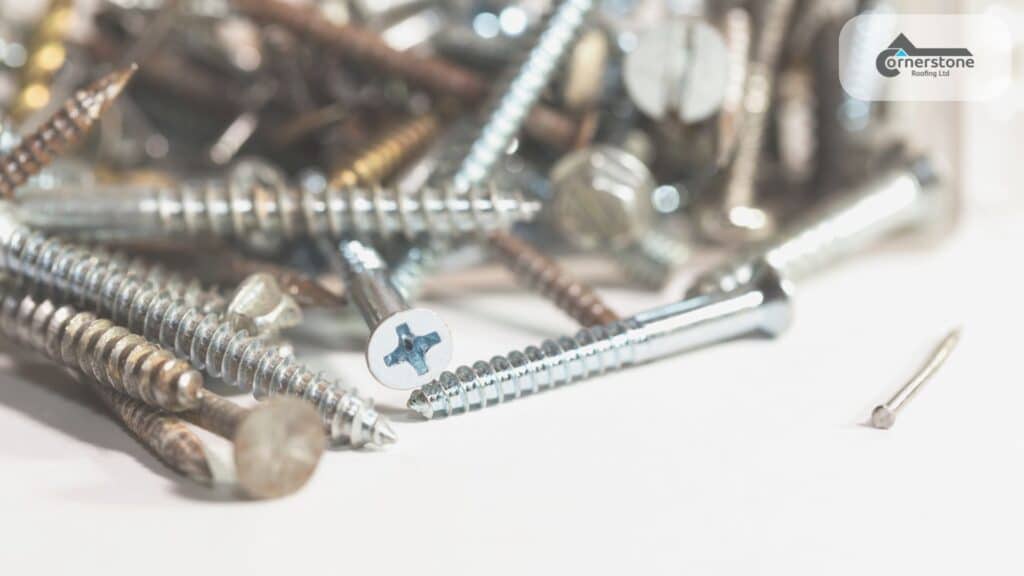
Selecting the proper mechanical fixings is essential for ensuring a secure roofing installation that complies with BS 5534 standards. The most common types include:
- Nails: Typically used for their cost-effectiveness and ease of use. Roofing nails have larger flat head diameters designed for retaining roofing materials effectively. They are particularly well-suited for attaching tiles to battens, but it’s crucial to use nails made from durable materials like stainless steel or galvanised steel to prevent rusting.
- Clips: These are often used in combination with nails to provide additional security. Clips are especially useful for securing tiles in high-wind areas, reducing the risk of tiles becoming dislodged during extreme weather conditions. Clips also allow for some flexibility, which can be an advantage during thermal expansion and contraction.
- Screws: Roofing screws can provide a stronger hold compared to nails, especially in metal roofing installations or where greater stability and resistance to weathering are required. Screws are threaded and offer better holding power, making them suitable for areas subjected to intense forces.
However, the choice between screws and nails should be made in accordance with the British Standards for roofing, which emphasise the importance of mechanical fixings, including nails, clips, or screws, and the need for at least one mechanical fixing per tile.
Proper Installation of Mechanical Fixings
Properly installing mechanical fixings before the mortar application is critical to achieve a robust roofing system. Here are key steps for each type:
- Nails:
- Ensure the nails penetrate at least 15mm into the underlying battens.
- Position nails at the centre of the tiles to distribute load evenly, avoiding the edges where tiles are more prone to cracking.
- Clips:
- Install clips along the sides of the tiles to secure them onto the battens.
- Ensure that the clips’ teeth grab firmly onto the tile edges, preventing any lateral movement.
- Screws:
- Pre-drill holes in the ridgeline tiles and battens to accurately position the screws.
- Use washers to enhance water tightness and prevent moisture from seeping through the screw heads.
Ensuring Secure Attachment to the Roof Structure
Securing the mechanical fixings to the roof structure is vital for the overall integrity of the roof. It’s essential to verify that all fixings are correctly aligned and tightened according to the manufacturer’s guidelines. Here are a few additional tips to ensure secure attachment:
- Double-Check Alignment: Misaligned tiles can lead to weakened structure and potential leaks. Ensure all tiles are straight and evenly spaced.
- Avoid Over-Tightening: Over-tightening screws or driving nails too deep can damage tiles and compromise their structural integrity. Tighten just enough to hold the tiles securely.
- Use Appropriate Tools: Employ tools that provide consistent driving power, such as pneumatic nailers for nails and electric screwdrivers for screws, to ensure uniform application.
By carefully selecting and correctly installing mechanical fixings, you lay a strong foundation that complements the subsequent mortar application, achieving a durable and weather-resistant ridgeline.
Mortar Application Process
Correct Technique for Applying Mortar After Mechanical Fixing
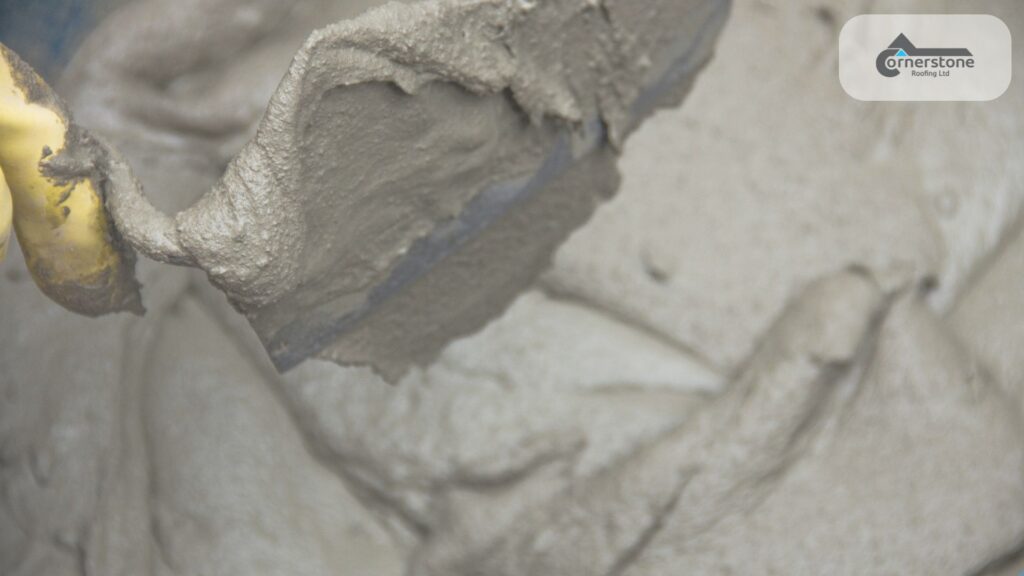
Applying mortar after installing mechanical fixings is a crucial step in ensuring the longevity and stability of ridgeline construction. Dampening the area might help the mortar bond better to the surface where the mortar will be applied. This helps the mortar bond better to the surface. Using an application trowel, press the first layer of mortar firmly into place. This layer should be pressed into the repair area using firm trowel pressure, similar to how you would handle a repair mortar.
The correct method of mortar application is to spread the mortar completely to the layout line and install the tile moving it in a back-and-forth motion perpendicular to the trowel ridges.. The key here is to not rush and to allow each layer to set slightly before adding the next. This ensures the mortar is properly sculpted and adhered to the surface, which enhances its durability.
Shaping Mortar for Optimal Water Runoff and Ingress Prevention
Once the mortar is applied, shaping it correctly is essential. The goal is to create a slope that directs water away from the ridgeline, preventing water pooling and ingress. Typically, a one-quarter inch drop per foot of length is recommended, a standard used for concrete drainage.
Use your trowel to shape the mortar to achieve this slope. Ensure the mortar forms a continuous, smooth surface that guides water off the ridgeline. This may involve checking and readjusting the slope multiple times until you are satisfied with the runoff pattern.
Ensuring Proper Sealing of Joints Around the Ridgeline
Sealing joints properly around the ridgeline is critical for a watertight roof. Apply the mortar thick enough to fill all gaps and spaces between the tiles or slates. It’s essential to ensure the mortar fully adheres to both the roofing material and the mechanical fixings. The process of “pointing” can ensure a smooth and complete finish to the mortar joints.
Implementing these methods not only aligns with the BS 5534 standards but also ensures the structural integrity of your roof over time. Ensuring the proper application and finishing of mortar makes a significant difference in preventing future issues related to water damage and tile displacement.
Quality Control and Inspection
Ensuring compliance with BS 5534 standards is crucial to the integrity of ridgeline construction. Post-application inspection procedures are a key part of maintaining this compliance. These inspections focus on verifying the proper application of both mechanical fixings and mortar.
Post-Application Inspection Procedures
Once all mortar and mechanical fixings are installed, a thorough inspection must be conducted. This includes several steps:
- Visual Examination: Inspect the overall appearance of the ridgeline. Look for uniformity in mortar application and the correct alignment of tiles.
- Mechanical Fixing Check: Ensure all fixings such as nails, clips, and screws are in place and secure. Verifying each fixing against the project’s specifications ensures that none are missed or improperly installed.
- Mortar Integrity Test: Check for any cracks, gaps, or signs of detachment in the mortar. A gentle tap test can reveal weak spots where the mortar may not have bonded properly.
- Measurement of Dimensions: Ensure that the mortar conforms to the specified parameters for thickness and coverage. This confirms that there are no deviations from the BS 5534 guidelines.
Checking Integrity of Fixings and Mortar Application
Verifying the integrity of fixings and mortar is crucial for maintaining the roof’s structural integrity and weather resistance:
- Fixings: Each fixing must be checked for correct placement and tightness. Loose or missing fixings can compromise the roof’s stability.
- Mortar: The mortar should be firmly bonded to both the tiles and the roof structure. Any signs of dislodgement or cracking should be addressed immediately.
Consistent and regular checks help in identifying potential points of failure early, thus allowing for timely corrective action.
Ensuring Compliance with BS 5534 Standards
Maintaining compliance with BS 5534 is not just about following the rules but ensuring the safety and durability of the roofing system:
- Documentation: Keep detailed records of all inspections and any corrective measures taken. This documentation can be invaluable for future maintenance and certification purposes.
- Audits: Regular audits can help pinpoint any quality control issues.
- Training: Ensure that all team members are trained in the requirements of BS 5534. Continuous training updates as the standards evolve are essential.
Quality control is an ongoing process that doesn’t end with the initial installation. Regular inspections and adherence to detailed checklists ensure the roofing system remains compliant and performs optimally over its lifespan.
Maintaining top-notch quality control and inspection routines underlines the project’s commitment to durability and safety, thus ensuring the long-term success of the roofing installation.
Maintenance and Long-term Care
Importance of Regular Inspections and Maintenance
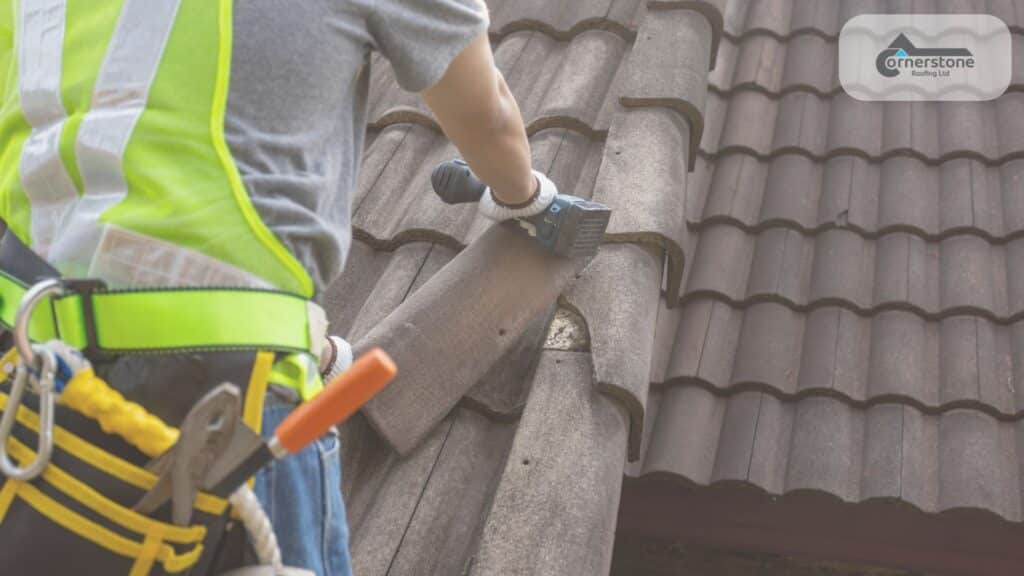
To maintain the integrity and longevity of your ridgeline construction, regular inspections are crucial. Identifying minor issues before they become significant problems can save time and money. Inspections should focus on the condition of mechanical fixings and the state of the mortar. Regular inspections help ensure that the repairs are minor and don’t escalate into more considerable structural damage. A periodic maintenance schedule also extends the lifespan of your roof, ensuring it remains compliant with BS 5534 standards.
Addressing Weather-Induced Wear and Structural Issues
Weather can be a roof’s worst enemy. Exposure to rain, wind, and temperature fluctuations can deteriorate both the mortar and the mechanical fixings. Checking for signs of wear and tear after extreme weather events is essential. Look for:
- Cracks or gaps in the mortar that may allow water ingress
- Rust or corrosion on metal fixings
- Loose or displaced roof tiles
Immediate repair of these issues is vital to prevent further damage. When replacing or repairing mortar, use mixes compliant with BS EN 998-2 to ensure durability and weather resistance.
Ensuring Longevity and Integrity of the Roofing System
Regular maintenance extends your roof’s lifespan and maintains its structural integrity. Follow these steps to ensure long-term care:
- Clean Regularly: Remove debris, such as leaves and branches, that can trap moisture and promote moss growth, which can damage tiles and mortar.
- Moss and Algae Control: Use gentle moss and algae treatments to prevent these growths from compromising the mortar’s integrity.
- Seal Joints: Periodically check and re-seal joints to ensure they remain watertight, especially in areas prone to heavy rain.
- Professional Inspections: Hire a certified roofing professional for an annual inspection to check for hidden damage or issues not apparent to the untrained eye.
Preventative care through these methods helps avoid costly repairs, ensuring the roof’s function and compliance with BS 5534 standards.
Regular maintenance and timely repairs create a durable and reliable roofing system. By adhering to these practices, you ensure that your ridgeline remains robust and continues to protect your home effectively.
Conclusion: Achieving Compliance and Durability
Recap of Key Points for BS 5534 Compliance in Ridgeline Construction
As we draw to a close, let’s recap the pivotal aspects of achieving compliance with BS 5534 in ridgeline construction. The British Standard 5534 is a comprehensive code of practice for slating and tiling in the UK, pivotal for ensuring roofing integrity and safety. Compliance involves choosing the appropriate materials, understanding mechanical fixing specifications, applying mortar correctly, and performing rigorous quality control.
Benefits of Combining Mechanical Fixing with Proper Mortar Use
The primary benefit of using mechanical fixings like nails, clips, and screws in conjunction with mortar is to enhance the durability and safety of the roofing system. Mortar alone can be susceptible to weather-induced wear and structural stress over time. Mechanical fixings provide an additional layer of security, ensuring that roof tiles and slates remain firmly in place despite environmental stresses. This combination also reduces the need for frequent maintenance and repairs, maximising the longevity of the roofing setup.
By integrating mechanical fixings, one ensures that the roof can withstand wind uplift and other dynamic loads, adhering to the updated requirements of BS 5534. The dual approach counters the limitations of traditional methods that relied solely on mortar, offering enhanced safety and reduced maintenance costs over the roof’s lifespan.
Importance of Adhering to Standards for Safety and Longevity
Adhering to BS 5534 standards is not merely a regulatory requirement; it plays a crucial role in ensuring the safety, durability, and longevity of roofing systems. Proper compliance helps prevent potential roof failures, which can lead to significant damages and safety risks. Following these standards provides peace of mind, knowing that every aspect of the roof construction meets high safety benchmarks, protecting both property and inhabitants from weather-related and structural issues.
In essence, aligning ridgeline construction practices with BS 5534 ensures that roofing systems are robust, watertight, and capable of withstanding the UK’s diverse weather conditions. Regular inspections and maintenance, as highlighted in previous chapters, further bolster these benefits, keeping the roofing system in prime condition over time.
By diligently following the outlined standards and combining the strengths of both mechanical fixings and mortar, you set the foundation for a safe, durable, and compliant roofing system. This proactive approach safeguards against potential issues, ensuring long-term performance and value.