Understanding Roofing Longevity in British Climate
Importance of Climate Considerations in Roofing Material Selection
Selecting the right roofing material is vital for ensuring the longevity of a roof, especially in Britain where the weather is highly unpredictable. The choice of material should take into account the local climate to resist varying weather conditions effectively. Roofing materials react differently to climatic elements, making climate considerations indispensable. For instance, while metal roofs can reflect sunlight, making them suitable for hot climates, slate and clay tiles offer better thermal insulation, making them more suitable for cooler environments.
Unique Challenges of British Weather on Roof Durability
British weather presents a unique set of challenges that can significantly affect the durability of roofs. The UK is known for its rainy seasons, heavy winds, and occasional snowfalls, all of which can take a toll on roofing materials. Constant exposure to moisture can lead to issues such as leaks, mold, and rot, especially in materials like untreated wood shingles.
Frequent temperature fluctuations can also cause roofing materials to expand and contract, leading to cracks and other structural damages. Roofing materials must thus be resilient enough to withstand these changes without compromising the roof’s integrity. Considering these unique weather challenges is essential in selecting materials that will stand the test of time in the British climate.
How Local Weather Patterns Affect Different Roofing Materials
Local weather patterns play a crucial role in determining the suitability of different roofing materials. In regions characterised by heavy rainfall, materials that offer excellent water resistance, such as metal or slate, are highly recommended. Metal roofs, for example, are known for their ability to shed water quickly, reducing the risk of water damage.
Regions with frequent storms and high winds benefit from the durability and robustness of materials like concrete tiles or metal. These materials can withstand high wind velocities without getting detached or damaged.
Furthermore, areas with high UV exposure might require materials that can resist the sun’s rays without degrading. Slate and treated metal roofs fall into this category, offering durability against UV radiation. For instance, slate roofs, known for their longevity, can effectively resist UV rays, contributing to a prolonged lifespan of over a century.
By understanding the impact of local weather patterns on different roofing materials, homeowners can make informed choices that optimise the lifespan and performance of their roofs in the face of Britain’s diverse climate.
Slate Roofing: The Ultimate in Longevity
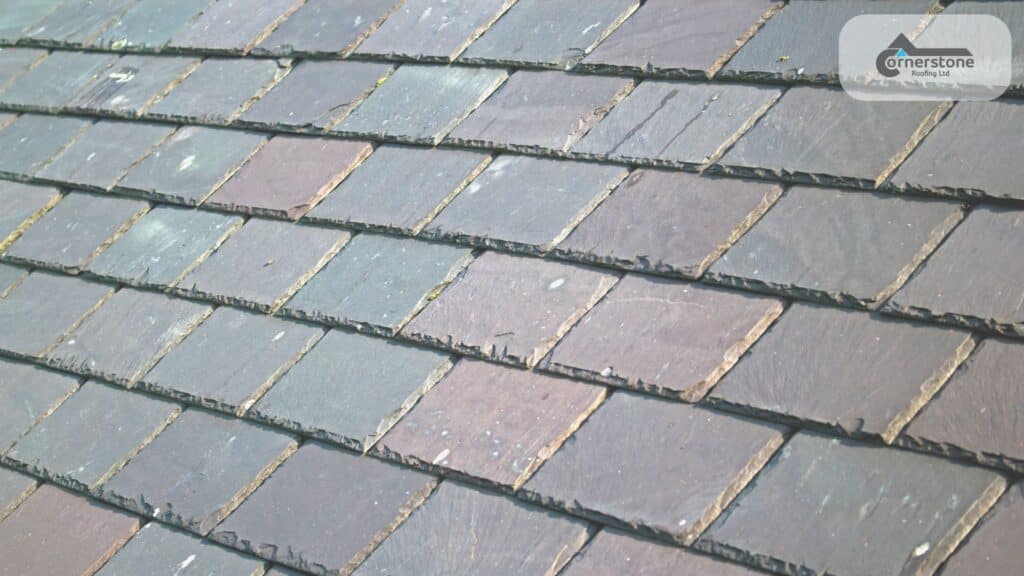
Slate roofing is often considered the gold standard for longevity in roofing materials. It boasts an impressive lifespan, exceptional durability, and offers multiple benefits as a premium investment.
Natural Slate’s Exceptional Lifespan
Natural slate is renowned for its exceptional durability, lasting between 75 and 100 years, with the capability to extend beyond a century in optimal conditions with regular maintenance. High-quality slate extracted from reputable quarries can endure up to 200 years, ensuring it is one of the longest-lasting roofing options available today.
Durability Against Harsh Weather Conditions and UV Exposure
The unique physical properties of slate enable it to withstand an array of harsh weather conditions, including heavy rain, strong winds, and extreme temperatures. Slate’s dense composition results in low water absorption rates (approximately 0.4%), making it highly resistant to moisture, frost, and breakage. Its natural strength also protects against UV exposure and other environmental factors, maintaining its structural integrity over decades.
Benefits of Slate as a Premium Roofing Investment
Investing in a slate roof goes beyond just durability; it adds significant value and aesthetic appeal to a property. Slate is fire resistant, eco-friendly, and available in a range of colours and textures that enhance the home’s curb appeal. While the initial installation cost is higher compared to other materials, its long lifespan ensures that, over time, the investment pays off by mitigating the need for frequent replacements and repairs.
Additionally, the low maintenance requirements of slate roofs contribute to its cost-effectiveness. Unlike other roofing materials that demand regular upkeep, slate requires minimal intervention, making it an ideal choice for homeowners seeking long-term performance with little hassle.
Metal Roofing Solutions
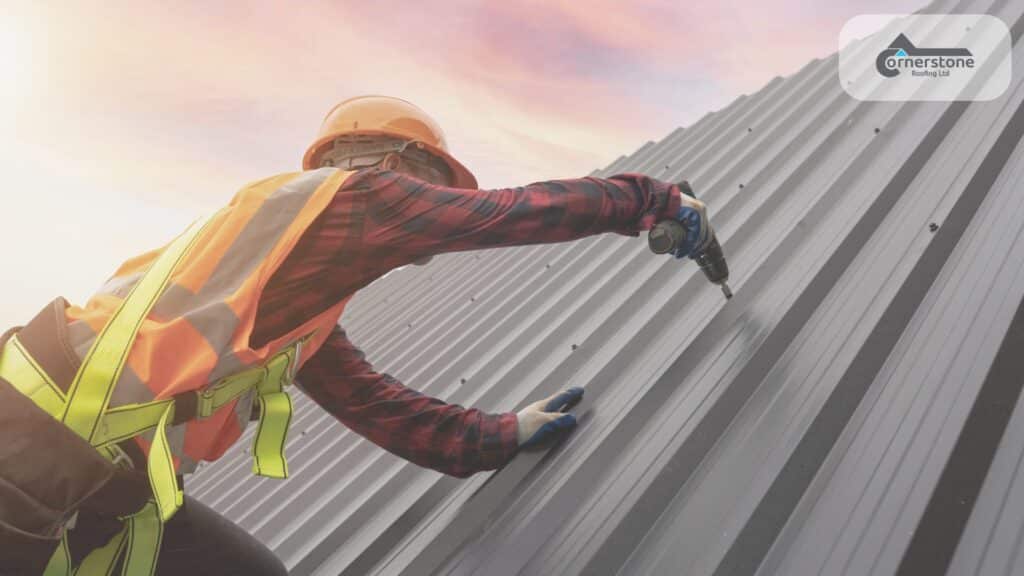
Lifespan and Durability
Metal roofing systems are known for their longevity, typically lasting between 40 and 70 years. The lifespan can vary depending on the type of metal used and the quality of the installation. High-quality metal roofs, such as those made from steel, aluminium, or copper, can reach the upper end of this range with proper maintenance. It’s an excellent mid-range option, offering a robust solution in terms of both cost and durability compared to other materials.
Weather Resistance
Metal roofs provide outstanding resistance to environmental factors, which is crucial in the variable British climate. They are highly resistant to moisture, reducing the risk of leaks and mould growth. Moreover, metal roofing systems can withstand strong winds and hail, making them a reliable choice for areas prone to storms. Their solidity against these elements ensures the roof remains intact without needing frequent repairs or replacements.
Low Maintenance Requirements
One of the significant advantages of metal roofing is its low maintenance needs. Metal roofs do not crack, warp, or suffer from insect damage, unlike other roofing materials. This means less time and money spent on repairs and maintenance over the roof’s lifespan. Routine maintenance typically includes inspections for any loose or damaged panels and cleaning debris from the roof surface and gutters to ensure proper drainage.
Energy Efficiency Benefits
Metal roofs reflect solar heat, which can reduce cooling costs by up to 25% in warmer months. This energy efficiency is beneficial in the UK, where energy costs can be high. Additionally, many metal roofs are made from recycled materials, and at the end of their long life, the metal is fully recyclable, making it an environmentally friendly option.
The durability and efficiency of metal roofs make them a balanced choice for the British climate.
Clay and Concrete Tile Options
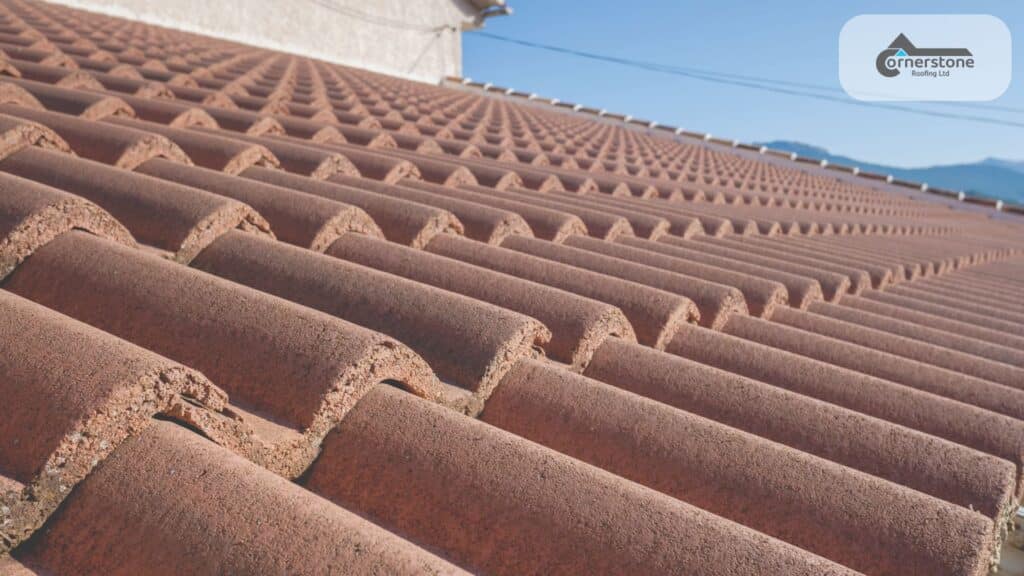
Comparative Durability
Clay tiles and concrete tiles are notable for their longevity. Clay tiles typically last between 60 to 100 years, with proper maintenance extending their life even further. In ideal conditions, they can endure for over a century. Concrete tiles, while being a more cost-effective option, have a slightly shorter lifespan, generally lasting around 50 to 70 years. The longevity of both materials makes them one of the most durable choices for roofing in the British climate.
Weather Resistance and Thermal Properties
Weather Resistance
Clay and concrete tiles offer excellent resistance to a variety of weather conditions. Clay tiles absorb roughly 6% of water, making them less prone to issues such as moss, mold, and mildew growth compared to concrete tiles, which absorb about 13% of water. This lower absorption rate also means that clay tiles add less weight to the roof structure when wet, reducing the risk of stress and damage.
Clay tiles, however, can be more susceptible to cracking under extreme cold conditions, whereas concrete tiles are less likely to crack but may face issues with moisture and rot over time. Both materials can withstand the harsh winds and heavy rains typical of the British climate, albeit with these specific vulnerabilities to consider.
Thermal Properties
Both clay and concrete tiles offer excellent thermal insulation properties, but clay tiles generally provide superior energy efficiency. Clay tiles are adept at absorbing heat, making them particularly effective during hot weather as they help keep homes cooler by preventing heat from penetrating indoor spaces. Concrete tiles also offer good thermal regulation but are slightly less efficient in absorbing and retaining heat compared to clay.
Maintenance Requirements
Regular Inspections
To ensure long-term performance, both clay and concrete tile roofs require regular maintenance. Visual inspections should be conducted at least twice a year, ideally in spring and autumn, to check for any damage such as cracked or missing tiles.
Cleaning
Removing debris, moss, algae, and other contaminants is crucial. This can be done through low-pressure washing or gentle brushing. For clay tiles, regular cleaning helps maintain their aesthetic appeal and functional integrity without the need for sealant application.
Repair and Replacement
Minor repairs, including replacing broken tiles, should be performed promptly to prevent more extensive damage. The underlayment also requires attention; this layer typically lasts 20 to 30 years beneath the tiles and needs regular checks to ensure it remains effective in providing waterproofing.
Maintenance for both clay and concrete tiles ensures their durability and extends their functional life, leveraging their resistance to various environmental factors and their inherent thermal benefits. This diligent care is vital for maximising the substantial investment made in these roofing materials.
Modern Flat Roofing Materials
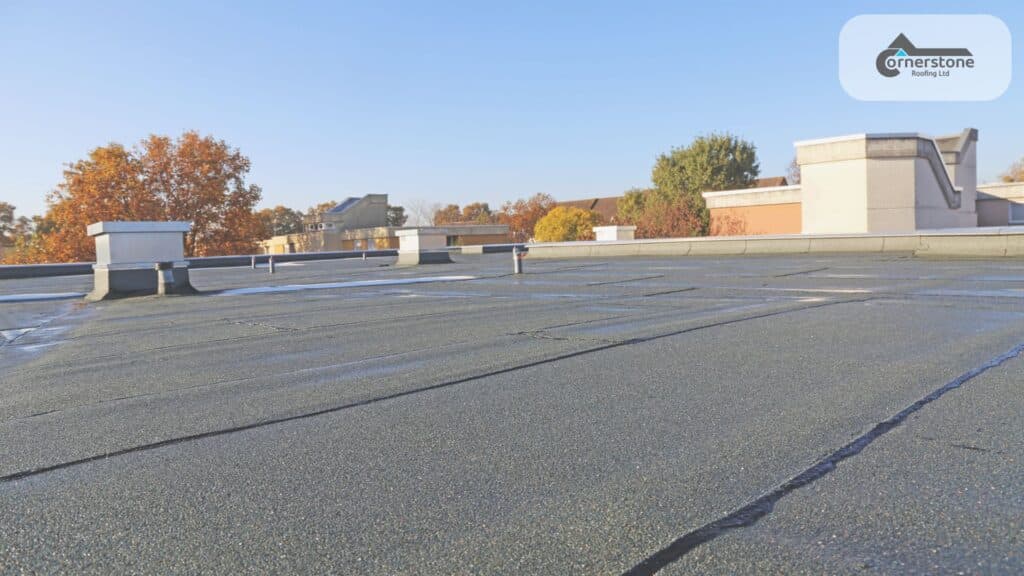
Lifespan Variations Between EPDM, TPO, and PVC Membranes
Flat roofing materials have evolved significantly, with EPDM, TPO, and PVC membranes becoming prominent due to their durability and performance in various weather conditions. Each of these materials offers different lifespans, typically determined by their composition, installation quality, and maintenance.
- EPDM (Ethylene Propylene Diene Monomer): Known for its high durability and resistance to extreme temperature variations, EPDM membranes can last between 25 to 50 years. This makes EPDM one of the most long-lasting flat roofing options available.
- TPO (Thermoplastic Polyolefin): TPO membranes are valued for their excellent UV resistance and energy efficiency. They typically last around 20 to 25 years, which is shorter than EPDM but sufficient for many applications.
- PVC (Polyvinyl Chloride): PVC roofing systems offer robust chemical resistance and durability, with a lifespan of approximately 20 to 25 years. PVC is also known for its low maintenance requirements and resistance to various environmental factors.
Advances in Flat Roofing Technology and Durability
Recent advancements in flat roofing technology have significantly enhanced the durability and performance of these materials. Innovations such as improved membrane compositions, synthetic underlayments, and reflective surfaces have contributed to the longevity and energy efficiency of flat roofs.
- Enhanced Membrane Materials: New formulations of EPDM and TPO have increased their resistance to UV rays and temperature extremes, leading to longer-lasting roofs.
- Synthetic Underlayments: These underlayments provide better water resistance and reduce the risk of mold and mildew compared to traditional felt, contributing to overall roof durability.
- Reflective Coatings: Both TPO and PVC roofs benefit from reflective surfaces that reduce cooling costs by deflecting sunlight, thereby extending the lifespan of the roof.
Suitability for Contemporary British Architecture
Flat roofing materials such as EPDM, TPO, and PVC are well-suited for contemporary British architecture, offering both functional and aesthetic benefits:
- Modern Aesthetic: Flat roofs provide a sleek, minimalist appearance that aligns with modern architectural trends. They enable the incorporation of clean lines and geometric shapes, contributing to a contemporary look.
- Versatility and Space Utilisation: Flat roofs offer additional usable space for rooftop gardens, recreation areas, or solar panels, enhancing the functionality of the building. They also allow for greater design flexibility, accommodating elements such as skylights and green roofing systems.
- Energy Efficiency: With their suitable platform for solar panels and reflective surfaces, flat roofs contribute to the energy efficiency of buildings, making them a practical choice for sustainable architecture.
By understanding the variations in lifespan, advancements in technology, and their suitability for modern designs, property owners and builders can make informed decisions about incorporating flat roofing materials in their projects.
Maintaining Roof Longevity
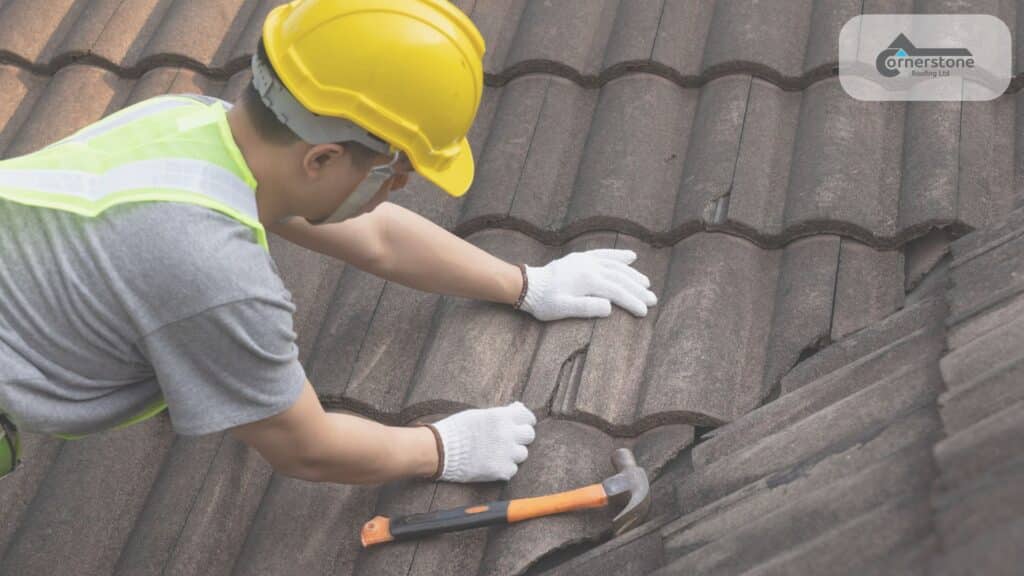
Essential Maintenance Practices for Extending Roof Life
Maintaining your roof is critical to ensuring its longevity and functionality. Regular cleaning, inspection, and prompt repairs are essential to keeping your roof in good condition. Cleaning involves removing debris, trimming overhanging branches, and ensuring that gutters and downspouts are clear to prevent water accumulation and potential leaks. Regular inspections, ideally twice a year, help identify any damage early, such as cracks, tears, or punctures, and address them promptly before they escalate into more significant issues.
Cleaning and Inspections
A cleaning schedule based on environmental factors should be established, with at least bi-annual sessions to maintain a clean and functional roof. This includes clearing drainage systems and gutters to prevent blockages that can lead to water damage. During inspections, focus on scrutinising the surface for any noticeable issues, and supplement these efforts with professional assessments annually to detect underlying problems.
Professional Inspection Schedules and Requirements
Professional roof inspections are crucial for identifying issues that an untrained eye might miss. A recommended schedule is twice a year: once after autumn when leaves have fallen to address potential blockages, and once in spring as temperatures rise. Professional inspectors provide a comprehensive assessment, checking for structural integrity, potential leaks, and overall roof health. This proactive approach can significantly extend the life of your roof. Remember, most professional roof inspections can be cost-free if required by insurance companies, ensuring no additional out-of-pocket expenses.
Common Issues That Can Reduce Roofing Lifespan
Several common issues can drastically reduce your roof’s lifespan if not addressed in time. These include:
- Leaks and Moisture Damage: Stemming from weather elements like rain and snow, these can compromise roof integrity leading to mold and structural damage if unattended.
- Improper Installation: Choosing inexperienced contractors can result in various issues like inadequate ventilation and premature wear, emphasising the need for reputable professionals.
- Poor Maintenance: Neglecting routine maintenance can lead to minor problems becoming significant, costly repairs over time.
- Tree and Debris Damage: Falling branches and accumulated debris can block water flow and cause damage, highlighting the importance of keeping trees trimmed and gutters clean.
Consistent and proper maintenance is key to protecting your roofing investment. Taking proactive measures ensures your roof remains in excellent condition, ready to withstand the challenges of the British climate.
Building on these practices and ensuring regular, thorough maintenance will protect your investment and avoid potentially high repair costs in the future.
Cost vs Longevity: Making the Right Choice

Initial Investment Comparison Across Different Materials
When selecting roofing materials, the initial cost is a crucial factor to consider. The price range for various roofing materials in the UK varies significantly, starting from relatively affordable options like concrete tiles to premium choices such as natural slate.
- Slate: Slate roofing is among the most expensive options, with costs ranging from £80 to £100 per square metre. This price reflects its superior durability and aesthetic appeal.
- Metal: Metal roofing offers a mid-range price point, with aluminium sheets costing around £40 to £70 per square metre. This investment provides high durability and minimal maintenance.
- Clay Tiles: Clay tiles range from £60 to £80 per square metre, offering a balance between aesthetics, durability, and cost.
- Concrete Tiles: Often more budget-friendly, concrete tiles cost about £30 to £50 per square metre. They provide good durability but require more maintenance compared to clay.
- Flat Roofs (EPDM, TPO, PVC): Costs for modern flat roofing materials range widely from £40 to £70 per square metre depending on the type. These materials cater well to contemporary styles.
Long-Term Value Analysis and Return on Investment
Investing in durable roofing materials tends to offer better long-term value despite higher upfront costs. This investment perspective involves considering longevity, maintenance requirements, and overall lifecycle costs.
- Slate: With minimal maintenance and a lifespan exceeding 100 years, natural slate offers the highest return on investment. Homeowners benefit from lower long-term repair costs and significant aesthetic appeal.
- Metal: Metal roofs, lasting between 40 and 70 years, present a good balance of initial cost and durability. Their resistance to harsh weather and low maintenance needs contribute to significant cost savings over time.
- Clay Tiles: Offering a lifespan of 60 to 100 years, clay tiles balance durability with moderate maintenance needs, providing solid long-term value.
- Concrete Tiles: These tiles generally last 50 to 60 years, offering substantial value but requiring more frequent maintenance. Initial lower costs offset higher upkeep.
- Flat Roofs (EPDM, TPO, PVC): Modern flat roofs account for both initial costs and innovative durability factors, promising around 20 to 50 years of use based on the material and installation quality.
Balancing Durability with Budget Constraints
Deciding on the perfect roofing material involves balancing durability needs with budget constraints. Homeowners should consider both their immediate financial capabilities and long-term savings.
- Affordable Options with Good Longevity: Concrete tiles and some flat roof materials offer cost-effective solutions with decent durability, suitable for those with restricted budgets.
- Mid-Range Investments: Metal roofing strikes a balance between cost, durability, and maintenance ease, ideal for budget-conscious homeowners seeking reliable long-term performance.
- Premium Solutions: Slate and clay tiles, while expensive, provide unmatched aesthetic appeal, minimal maintenance, and longevity, best for those willing to invest upfront for long-term peace of mind.
Understanding these factors helps you make an informed decision tailored to your financial circumstances and durability needs. Balancing immediate costs with future benefits ensures optimal selection, preserving both home integrity and value.