Introduction
A well-maintained roofline is essential for the integrity of your home. Roofline components (guttering, soffits, and fascias) play vital roles in protecting your property from water damage while enhancing its aesthetic appeal. Upgrading these elements together not only improves your home’s exterior but also provides long-lasting benefits for maintenance and property value.
This blog explores the essentials of a roofline upgrade, detailing guttering, soffits, and fascias. We’ll discuss their purposes and materials, outline the benefits of a comprehensive upgrade, guide you through the installation process, and offer key maintenance tips. By the end, you’ll have the knowledge necessary to assess and upgrade your roofline effectively.
Understanding Roofline Components
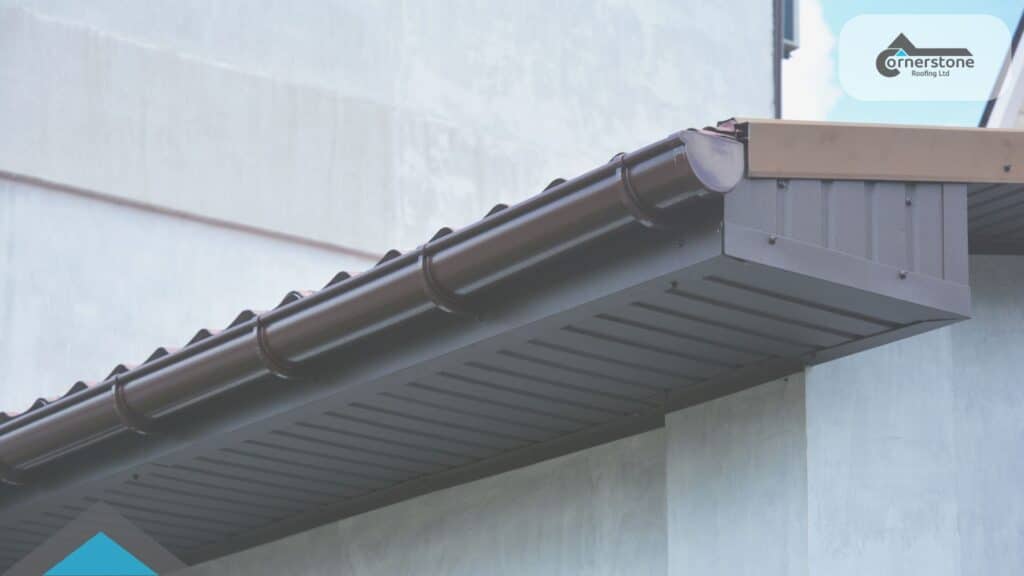
What are Guttering, Soffits, and Fascias?
Guttering is a system that collects and directs rainwater away from your roof. It’s crucial for preventing water from damaging your property’s foundation and walls, minimising the risk of dampness and mould. Common materials used for guttering include UPVC (unplasticised polyvinyl chloride) and metals like aluminium and cast iron, each offering unique advantages in terms of durability, cost, and maintenance.
Soffits cover the eaves of your roof, protecting the rafters from the elements. They also significantly contribute to ventilation, allowing air to circulate and preventing moisture build-up that can shorten the life of your roof. Soffits are made from various materials, including UPVC, wood, and fibre cement.
Fascias are boards running horizontally along the roof’s edge, providing support for guttering and giving your home a finished look. They prevent water from entering the roof space while enhancing your property’s kerb appeal. Available materials include UPVC, wood, and composites, each dictating the appearance and cost of your installation.
Summary:
- Guttering: Directs rainwater away.
- Soffits: Cover eaves and provide airflow.
- Fascias: Support guttering and enhance aesthetics.
The Importance of a Complete Roofline Upgrade
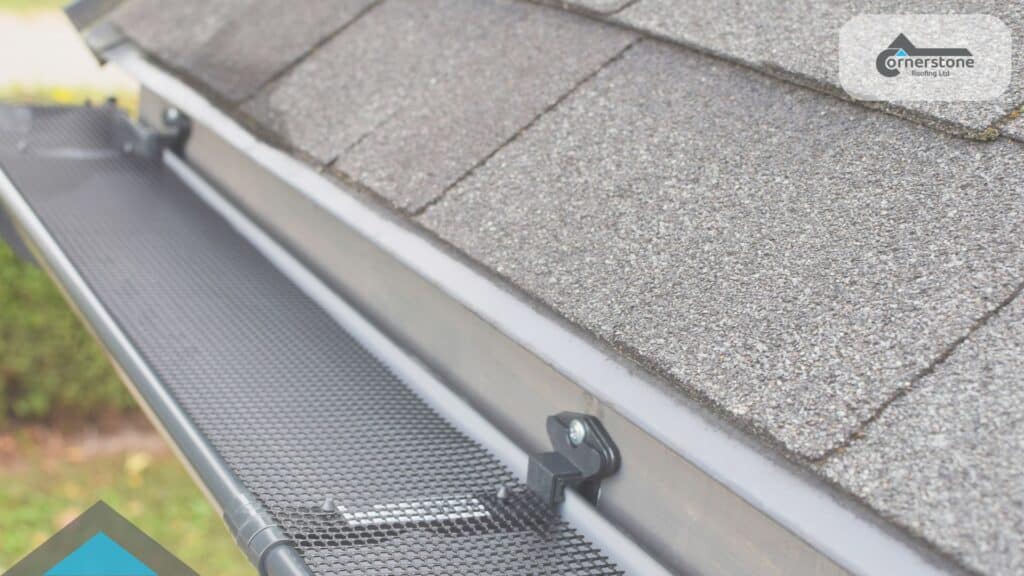
Upgrading your roofline isn’t just cosmetic; it profoundly affects your home’s health and value. Here’s why:
Enhanced Aesthetics:
A new roofline transforms your home’s exterior, improving kerb appeal and attracting potential buyers.
Increased Property Value:
Homes with upgraded rooflines generally achieve higher valuations due to reduced repair needs and maintenance concerns.
Cost-Effectiveness:
Replacing all three components at once is often more cost-efficient. You’ll save on labour costs and minimise disruption by completing the upgrade together.
Reduced Maintenance:
Modern materials, particularly UPVC, require less maintenance than traditional wood, which can rot. Wise material choices lead to less time and money spent on maintenance.
A comprehensive upgrade ensures each component works harmoniously, enhancing performance for years to come.
Choosing the Right Materials
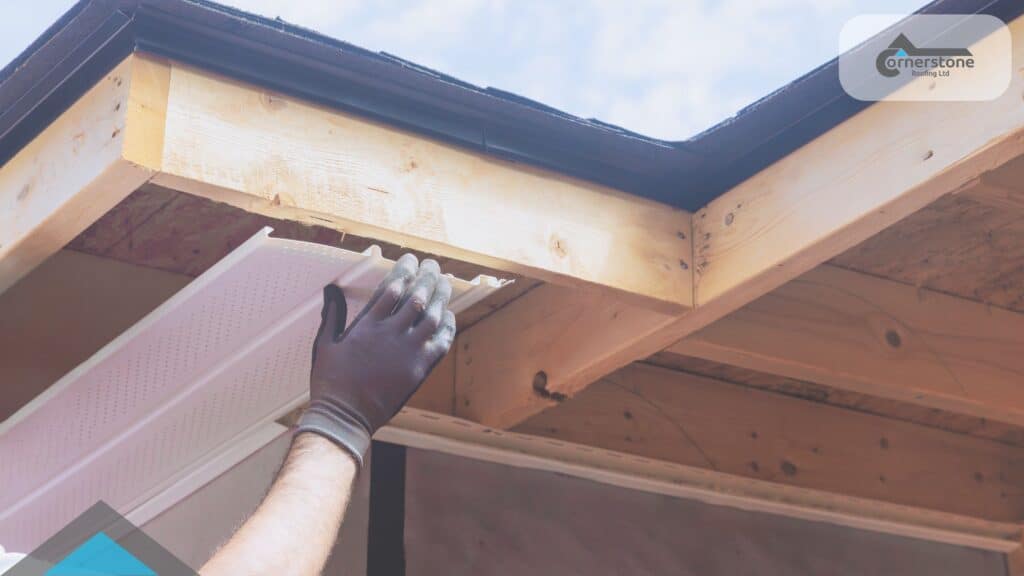
Comparing Guttering Materials
Selecting the right guttering material can impact the longevity and performance of your roofline. Here’s a quick overview:
- UPVC Guttering: Lightweight and resistant to rust, UPVC is popular among UK homeowners. Easy to install, it requires little maintenance but can become brittle over time due to UV exposure.
- Aluminium Guttering: Durable and lightweight, aluminium resists rust and can last up to thirty years. However, it may dent easily.
- Cast Iron Guttering: Known for its strength and classic aesthetic, cast iron lasts for decades but is heavier and more expensive, usually requiring professional installation.
Practical Example: In regions experiencing heavy rainfall, such as the Lake District, investing in aluminium or cast iron might be more prudent than UPVC.
Selecting Soffit and Fascia Materials
Choose materials for soffits and fascias that blend aesthetics with performance:
- UPVC Soffits and Fascias: Popular for low maintenance and high durability. They don’t rot or require painting, although they can fade in sunlight.
- Wood Soffits and Fascias: Offer a traditional appearance but require more maintenance, including painting and sealing, and are prone to rot.
- Composite Materials: Combine the durability of plastic with the look of wood, offering weather and pest resistance but often at a higher cost.
Practical Example: A budget-conscious homeowner might prefer UPVC, while someone valuing traditional aesthetics may choose wood, accepting the maintenance required.
Installation Process: What to Expect
DIY vs. Professional Installation
Your choice between DIY and professional installation will depend on several factors:
DIY Installation:
- Pros: Cost-effective and allows flexibility in project timing. Installing guttering and soffits can be straightforward for those with basic DIY skills.
- Cons: Time-consuming, with a risk of mistakes if unfamiliar with building regulations.
Professional Installation:
- Pros: Expertise ensures compliance with local regulations and offers warranties on work completed.
- Cons: Generally more expensive, with potential scheduling delays due to contractor availability.
Regulations for Installation in the UK
In the UK, regulations like Building Regulations Part H apply to drainage systems and construction methods. Compliance is necessary to avoid future issues, particularly when planning to sell.
Step-by-Step Guide for Installation
- Preparation: Clear debris from the area and accurately measure the dimensions for guttering, soffits, and fascias.
- Removal of Old Components: Carefully take down old guttering, soffits, and fascias without damaging the underlying structure.
- Installation of Fascias:
- Attach the fascia board to the rafter ends with suitable fasteners.
- Seal all joints for watertightness.
- Soffit Installation:
- Install soffits to the fascia, ensuring proper ventilation for airflow.
- Guttering Installation:
- Align the guttering with a slight slope toward the downpipes for optimal drainage, securing with evenly spaced brackets.
- Final Checks: Inspect for loose fittings and test the guttering with water to confirm effective drainage.
Key Considerations for UK Homeowners
Consider local climate conditions when selecting materials and always check roofline accessibility for safe installation.
Maintenance Tips for Longevity
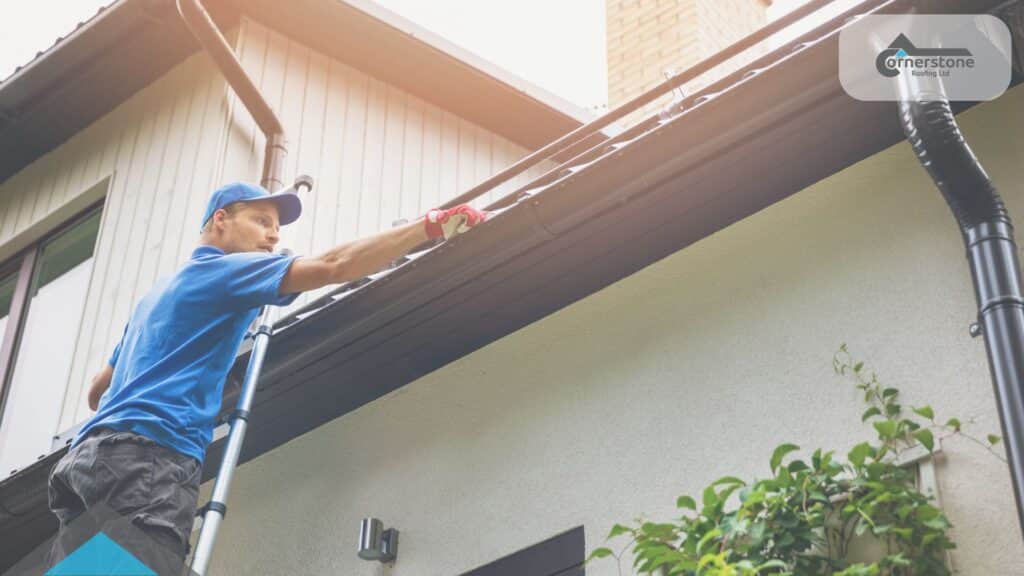
How to Maintain Your Guttering, Soffits & Fascias
Regular upkeep can extend the life of your roofline components. Here’s how:
- Routine Cleaning: Clean gutters biannually, removing debris to prevent blockages and overflow.
- Inspect for Damage: Look for signs of wear, such as cracks in UPVC or rot in wood, and address issues promptly.
- Check Seals and Fastenings: Ensure fixtures are secure and watertight. Reseal any problematic areas to prevent leaks.
- Trim Nearby Vegetation: Keep trees and shrubs away from the roofline; falling leaves can clog gutters.
Seasonal Maintenance Checks
In the UK, seasonal checks are ideal during autumn and spring:
- Autumn: Inspect and clear guttering before leaves fall to avert blockages.
- Spring: Review fascias and soffits for damage after winter.
When to Replace or Upgrade
Recognising when to replace elements of your roofline matters as much as maintenance:
- Signs of Wear: Look for rotting wood, sagging guttering, or cracked UPVC.
- Weathering Issues: If leaks occur during heavy rain or dampness appears within eaves or walls, action is needed.
- Comparative Insights: Minor repairs may suffice occasionally; however, if many components show age, a comprehensive replacement may be more economical.
Actionable Tips for Homeowners
- Opt for UPVC for an affordable, low-maintenance choice.
- Inspect Regularly for potential issues, ideally twice a year.
- Hire Professionals for significant installations if you’re not confident in your DIY skills.
- Choose Comprehensive Replacement for a stylish and economically sound upgrade.
- Address Problems Early to avoid costly future repairs.
Conclusion
Upgrading your roofline by focusing on guttering, soffits, and fascias is a vital investment in your home’s health and visual appeal. Understanding the components, their materials, and installation processes will empower you to make informed decisions that benefit your property and budget.
Don’t underestimate the value of an upgraded roofline, monitor your current systems and consider an assessment to identify enhancement needs. Ready to enhance your home? Start that roofline upgrade today!