When it comes to maintaining your home, one of the most vital areas to pay attention to is your roof. Roof repair is a task that homeowners cannot afford to overlook, as neglecting roof issues can lead to significant financial burdens down the line. Understanding common roof repair issues and how to identify them is essential for homeowners and property managers alike.
Roofs serve as your home’s first line of defence against the elements. Over time, factors like harsh weather conditions, ageing materials, and poor installation can lead to various roof problems. Early identification of these issues is paramount; it ensures you can take corrective measures before they escalate into more significant, expensive repairs. In this blog, we will explore common roof repair issues, their causes, signs to look for, and the potential consequences of neglecting them. By the end of this post, you will be equipped with the knowledge necessary to effectively identify roof problems and ensure the longevity of your roof.
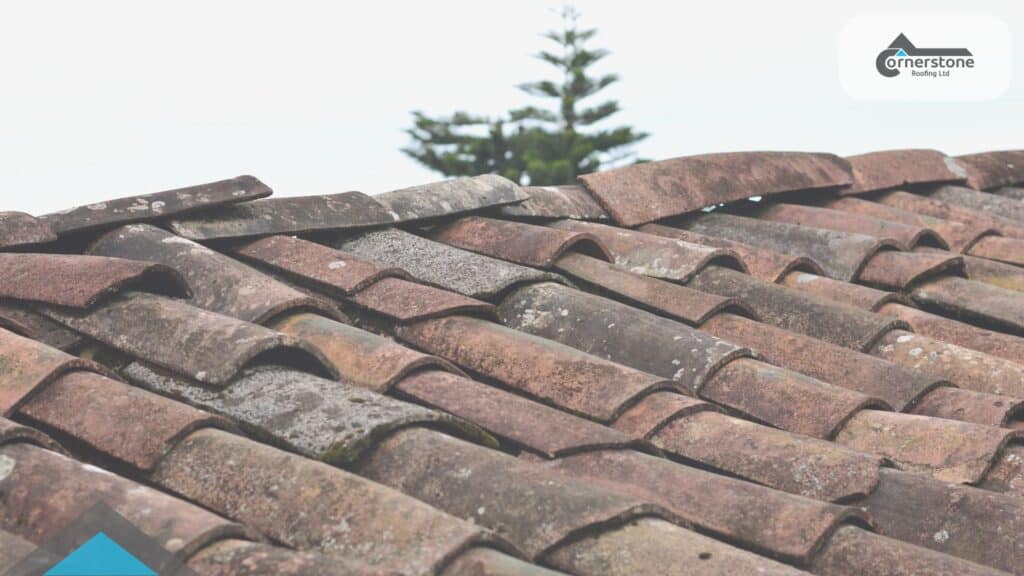
1. Leakage: Causes and Identification
Understanding Roof Leakage
Roof leakage is one of the most prevalent issues facing homeowners. A leaking roof can signal several underlying problems, including poor installation, wear, and tear, and damage from severe weather conditions. Water infiltration can lead to mould growth, insulation damage, and even structural issues if not addressed promptly.
Identifying Signs of Leakage
The first step in handling a roof leak is recognising its signs. Homeowners should look for these indicators:
- Water Stains: Dark, discoloured spots on ceilings or walls often indicate water damage and leakage.
- Dripping Water: Noticeable droplets in your living space can suggest a direct leak.
- Mould or Mildew: A musty smell or visible mould growth indicates prolonged moisture exposure.
Importance of Prompt Investigation
Investigating these symptoms quickly is crucial. Ignoring even a minor leak can lead to extensive damage, such as rotting wood and insulation issues. To pinpoint the source, inspect the roof during a rainstorm or check for wet spots on the roof surface when it is dry.
2. Shingle Damage: Recognising Common Problems
Types of Shingle Damage
Shingles are the protective layer of your roof and come in materials such as asphalt, wood, and metal. Common types of shingle damage include:
- Curling: Older shingles often curl at the edges.
- Cracking: Weather extremes can cause shingles to crack, leading to potential leaks.
- Missing Shingles: Severe storms may blow shingles off entirely.
Visually Inspecting Shingles
Homeowners should regularly inspect their shingles. Look for:
- Uneven Surfaces: Noticeable bumps or dips can suggest underlying problems.
- Granule Loss: Accumulation of granules in gutters may indicate shingle wear.
Weather Impact on Shingles
Different weather types exacerbate shingle damage. UV rays may cause cracks in hot climates, while ice can lead to curling in colder regions. Regular maintenance can extend the lifespan of your shingles, reducing the need for repairs.
3. Flashing Issues: The Role of Flashing in Roof Integrity
Understanding Flashing
Flashing is a thin material, typically made from metal, placed at vulnerable areas such as chimneys, vents, and seams to prevent leaks. Proper installation is essential for maintaining roof integrity.
Signs of Flashing Problems
Inspect the flashing for these issues:
- Rust: Rust can weaken the flashing, compromising its effectiveness.
- Cracks: Look for gaps or cracks where the flashing meets the roofing material.
- Improper Installation: Ensure that flashing is properly fitted; gaps can lead to leaks.
Inspection Tips
Regularly inspect flashing, especially after severe weather. Pay close attention to joints and seams where water can penetrate. Signs of rust or deterioration should prompt immediate attention, as compromised flashing can lead to significant roof repair needs.
4. Pooled Water: Recognising Flat Roof Problems
Understanding Flat Roof Issues
Flat roofs present unique challenges, and water pooling is one of the most prominent problems. Inadequately sloped flat roofs can lead to stagnant water, increasing the risk of structural damage and leaks.
Identifying Pooled Water
To identify pooling on flat roofs, look for:
- Visible Standing Water: Water remains on the roof surface long after rain.
- Sagging: Check for dips or bulges indicating water accumulation.
Consequences of Ignoring Pooled Water
Ignoring this issue can cause extensive damage, including leaks that compromise insulation and the overall structural integrity of the building. It’s essential to maintain proper drainage systems on flat roofs to prevent this condition.
5. Mould and Algae Growth: Identification Techniques
Understanding Mould and Algae Growth
Mould and algae can grow on roofs, particularly in shaded or humid environments. While these may seem like aesthetic issues, they can lead to serious roof damage if left untreated.
How to Identify Growth
Look for:
- Dark Stains: Discolouration on roof shingles often points to mould or algae.
- Unpleasant Odours: A musty smell during humid conditions suggests growth.
Long-Term Effects
Failing to address mould and algae can eat away at roofing materials and lead to leaks. Regular cleaning and treatment can prevent growth and maintain your roof’s appearance.
6. Structural Issues: Signs of Roof Weakness
Understanding Structural Concerns
The structural integrity of your roof is crucial for overall stability. Signs of weakness can indicate significant underlying issues that must be addressed immediately.
Identifying Structural Problems
Look for:
- Sagging Beams or Rafters: A drooping roofline signals serious structural concerns.
- Cracked or Splitting Wood: Visible damage to wooden supports indicates deterioration.
Assessing Overall Integrity
Periodically assess the attic and roof structure for signs of wear and tear. Early recognition of signs can prevent costly repairs and ensure safety.
7. Poor Ventilation: Identifying Ventilation Problems
Importance of Proper Ventilation
Good roof ventilation helps regulate temperature and moisture levels in your attic, crucial for maintaining roof health. Poor ventilation can lead to various issues, including overheating and condensation.
Signs of Inadequate Ventilation
Homeowners can look for:
- Excessive Heat: An unusually hot attic indicates poor airflow.
- Condensation Issues: Water droplets on beams or in the attic suggest ventilation problems.
Consequences of Neglected Ventilation
Failing to address ventilation issues can lead to rotting, costly repairs, and higher energy bills. Ensuring balanced intake and exhaust vents can significantly enhance airflow and roof health.
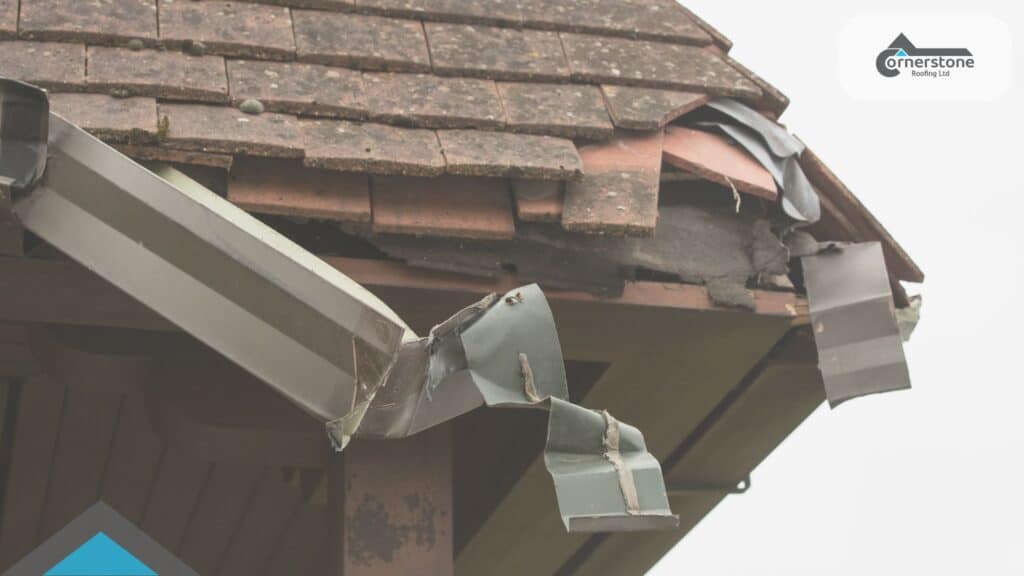
Conclusion
Understanding common roof repair issues and being able to identify them is essential for homeowners and property managers. Regular inspections and awareness of potential problems can save you time and money, ensuring that your roof remains in good condition for years. If you identify any of the issues discussed in this post, consider seeking professional assistance to mitigate further damage and maintain the integrity of your roof.
Take a proactive approach to roof maintenance. Schedule regular inspections of your roof and look for signs of common issues like leaks, shingle damage, and poor ventilation. If you notice concerning signs, don’t hesitate to consult a professional to prevent costly repairs in the future.