Introduction
Gutters and downpipes are often overlooked elements of a home’s exterior, yet they are vital components for maintaining the longevity and integrity of roofing systems. These drainage systems play a critical role in managing rainwater, ensuring it flows safely away from the roof and property. When functioning effectively, gutters and downpipes significantly reduce the risks of roof damage, extending the lifespan of roofing materials and the entire structure beneath them.
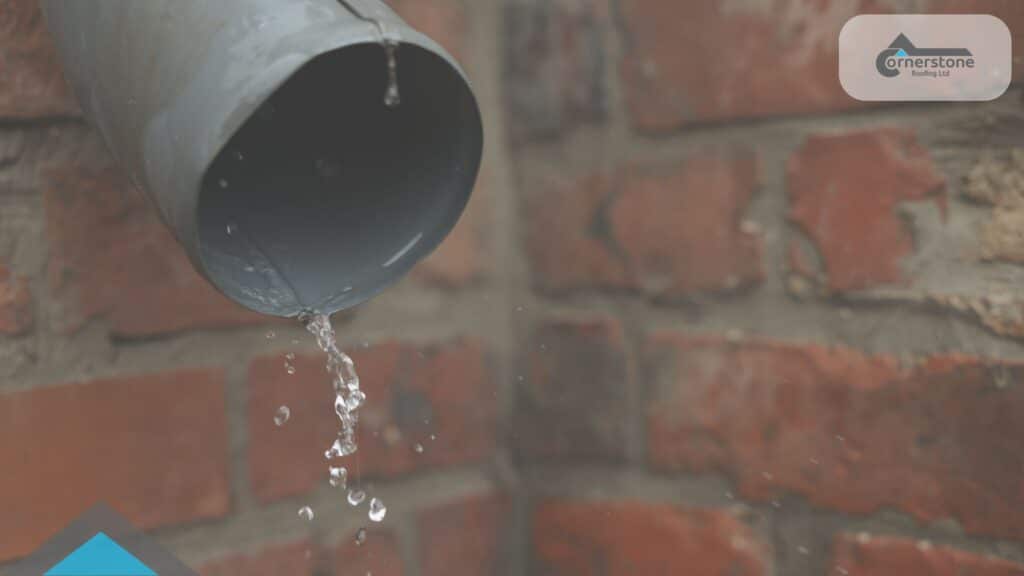
Importance of Gutters and Downpipes
The First Line of Defence
Gutters and downpipes act as the first defence against water damage. Their primary function is to collect rainwater runoff from the roof and guide it to an appropriate discharge point. When these systems operate effectively, they channel water away from vulnerable areas of your property, such as foundations, walls, and basements, preventing potential issues like rot, mould growth, and structural deterioration.
Preventing Common Roof Issues
Improper rainwater management can lead to several roof-related problems:
- Water Accumulation: Without gutters, rainwater collects on the roof’s surface, leading to leaks as the weight of the water applies pressure on roofing materials.
- Mould and Mildew Growth: Standing water encourages the growth of mould and mildew, infiltrating roofing materials and compromising their integrity.
- Ice Dams: In colder climates, melting snow freezes in gutters, forming ice dams that block water flow. This can cause water to back up under shingles, resulting in leaks and extensive damage.
Principles of Effective Rainwater Management
Effective rainwater management is critical for maintaining not only roofs but the structural integrity of the entire building. Gutters and downpipes work together to:
- Direct Water Flow: These systems direct rainwater away from the foundation, ensuring it does not seep into basements or crawlspaces.
- Prevent Soil Erosion: Properly managed rainwater flow prevents soil erosion around foundations, avoiding settling and structural shifts.
- Reduce Maintenance Costs: Well-maintained gutters prevent costly repairs associated with water damage, protecting your long-term investment.
Types of Gutter Systems and Their Functions
Gutters come in various types, materials, and designs, each serving specific functions and offering unique advantages.
Common Gutter Types
- K-Style Gutters: These are the most popular choice in America, featuring a flat bottom that can resemble crown moulding. They hold more water compared to traditional round gutters.
- Half-Round Gutters: With a semi-circular shape, these are often chosen for aesthetic reasons, especially in historic buildings. They are easier to clean but have less capacity than K-style gutters.
- Box Gutters: Used mostly in commercial applications, these deep gutters install inside the roofline. They provide superior water management but require professional installation due to their complexity.
Gutter Materials
- Aluminium: Lightweight, rust-resistant, and easy to install, aluminium gutters are popular among homeowners. They can be painted to match home exteriors, allowing for aesthetic versatility.
- Vinyl: An affordable option, vinyl gutters are easy to install and resistant to rust. However, they may warp in extreme temperatures and are generally less durable than metal options.
- Copper: Although they are at a higher price point, copper gutters are celebrated for their durability and aesthetic appeal. They develop a distinctive patina over time and can last several decades with proper care.
Choosing the Right Gutter System
Selecting the appropriate gutter system involves considering several factors, including:
- Roof Style: Different roof designs may require specific gutter types to ensure efficient water flow.
- Regional Weather Patterns: In areas prone to heavy rainfall, larger K-style gutters may be more effective than half-round options.
- Aesthetics: The choice of materials and shapes may depend on the homeowner’s preferences and the architectural style of the property.
By understanding these various types and their specific advantages, homeowners can make informed decisions that align with both their practical needs and visual preferences.
The Relationship Between Gutter Design and Roof Health
Factors Influencing Gutter Effectiveness
The design and installation of gutters and downpipes can significantly affect a roof’s health and longevity. Key factors include:
- Slope and Pitch: Gutters must be angled correctly towards downspouts to ensure proper drainage. A slope that is too flat can cause water pooling, while an excessive slope may lead to overflow.
- Installation Angle: Properly angling gutters is crucial for effective water flow. Water should flow steadily and avoid overflowing during heavy rainstorms.
- Proper Spacing: The spacing of downpipes is also essential. Insufficient downpipes can overload gutters during storms, leading to overflow and potential roof damage.
Consequences of Poor Design and Installation
Improperly designed or poorly installed gutter systems pose several risks:
- Roof Damage: Overflowing gutters can cause water pooling on the roof, leading to leaks and damage to roofing materials over time.
- Foundation Issues: Insufficient drainage can result in water seeping into foundations, causing cracking, shifting, or even foundation failure.
- Increased Maintenance Needs: Poorly functioning gutters require increased maintenance efforts and costs, driving up overall property care expenses.
By understanding the relationship between gutter design and roof health, homeowners can take proactive steps to install optimal systems correctly, enhancing roof longevity.
Regular Maintenance and General Care
Importance of Routine Inspections
To maximise the lifespan of gutter and downpipe systems, regular maintenance is crucial. Routine inspections can identify potential problems before they escalate into costly repairs. Homeowners should look out for:
- Blockages: Leaves, twigs, and debris often accumulate in gutters, leading to blockages that hinder water flow. Regular cleaning, particularly in autumn, is vital.
- Damaged Components: Check for rust, cracks, or signs of wear and tear in gutters and downpipes. Early detection allows for timely repairs or replacements.
- Ensure Proper Flushing: Periodically flushing out gutters with a hose ensures unobstructed water flow, helping to spot leaks and overflow points.
Practical Maintenance Practices
Here are practical steps for maintaining gutter systems:
- Regular Cleaning: Clean gutters at least twice a year, ideally in spring and autumn. Use gloves and a sturdy ladder to remove debris carefully.
- Check Fasteners: Regularly tighten loose screws or brackets that secure gutters and downpipes to the structure. Wind and debris can loosen them over time.
- Secure Downspouts: Ensure downspouts direct water away from the foundation, and that extensions effectively route water further from the structure.
- Inspect Seams and Joints: Look for signs of leaks or wear at seams and joints. Use waterproof sealant for small issues, but consider consulting a professional for larger repairs.
- Consider Gutter Guards: For easier maintenance, consider installing gutter guards that help prevent debris accumulation, reducing the need for constant cleaning.
By implementing these maintenance practices, homeowners can minimise the risk of water damage, contributing to improved roof longevity.
Impact of Climate and Seasonal Changes
Regional Weather Variations
Different climates pose distinct challenges for gutters and downpipes. Homeowners should consider how local weather patterns impact their systems:
- Heavy Rainfall Areas: Regions experiencing heavy rains may require larger gutters and downpipes to avoid overflow. Frequent cleaning may also be necessary to combat debris washed down from roofs.
- Snow and Ice: Areas subject to snowfall need to consider ice dam formations. Proper gutter insulation and clearing snow buildup can prevent backups that lead to leaks.
- Dry Climates: In arid regions, gutters may experience less wear, but dust and debris can still accumulate, necessitating periodic cleaning.
Seasonal Maintenance Adjustments
Seasonal changes demand specific maintenance adjustments:
- Autumn: During this season, leaves tend to accumulate, making it crucial to check and clean gutters regularly to prevent blockages and overflow.
- Winter: In areas with snow, homeowners should inspect gutters for ice dam formations and clear snow buildup to avoid backup issues.
- Spring: As the rainy season begins, clearing debris is essential to ensure downspouts direct water away from foundations, preparing for the upcoming deluge.
By tailoring maintenance practices to seasonal changes, homeowners can better protect their roofing systems and effectively manage rainwater throughout the year.

Conclusion: The Key Takeaway on Roof Longevity
In conclusion, gutters and downpipes are indispensable systems that play a pivotal role in ensuring roof longevity. Their ability to efficiently manage rainwater directly impacts not just roofs, but a property’s overall integrity. Homeowners and property maintenance professionals must understand the importance of selecting the right gutter systems, maintaining them regularly, and adapting to local climate conditions. By investing in quality gutter systems and prioritising their maintenance, homeowners can safeguard their properties, ultimately lengthening the lifespan of their roofs and preserving their valuable investments for years to come.
Start taking proactive measures for your roof today, ensure your gutters and downpipes are in optimal condition for effective rainwater management. Regular maintenance and sound choices in gutter systems can lead to significant long-term savings and peace of mind.