Introduction
Maintaining your property’s drainage system is crucial for preserving its integrity and value. Homeowners often overlook one essential aspect: gutters and downpipes. These systems direct rainwater away from your home, preventing potential water damage and structural issues. Blocked gutters can lead to overflowing downpipes, causing erosion, dampness, and mould growth.
The Importance of Gutter Maintenance
Gutters and downpipes play a vital role in diverting rainwater away from your roof and foundation, ensuring effective drainage. Poorly maintained gutters can lead to serious problems, including significant water damage to your home’s exterior, foundational issues, and damage to landscaping.
Critical Role in Property Drainage Systems
Properly functioning gutters are essential for maintaining the structure of your home. When rainwater fails to drain effectively, it can pool around the foundation, leading to soil erosion and structural instability. In regions with frequent rain, like the UK, this issue can escalate quickly.
Environmental Factors Leading to Blockages
Several environmental factors can increase the risk of blocked gutters:
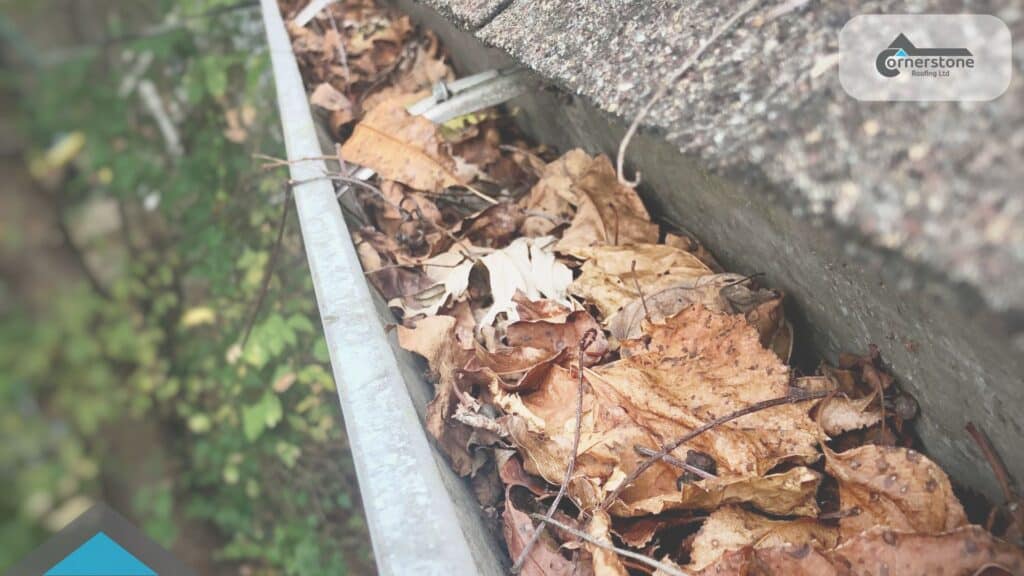
- Fallen Leaves and Debris: During autumn, leaves accumulate in gutters, creating blockages, especially in homes surrounded by trees.
- Heavy Rainfall: Intense downpours can overwhelm gutters, especially if debris is present.
- Animal Nests: Birds and rodents may build nests in gutters, obstructing water flow.
Consequences of Neglecting Gutter Maintenance
Failing to maintain gutters can lead to significant issues:
- Water Damage: Severe blockages may cause overflow, leading to dampness, mould growth, and costly repairs.
- Decreased Property Longevity: Continuous water exposure deteriorates paint, siding, and even the foundation.
- Increased Landscaping Costs: Erosion and water runoff can damage landscaping, requiring costly restoration.
In summary, neglecting gutter maintenance can turn into extensive financial and structural issues, both now and in the future.
Common Causes of Blocked Gutters and Downpipes
Understanding the common culprits behind blockages is essential for prevention.
Accumulation of Natural Debris
The primary cause of blockages is the accumulation of leaves, twigs, dirt, and other organic materials. This issue intensifies during autumn, making regular checks crucial. Pine needles also contribute to clogging.
Improper Installation
If gutters are not installed correctly, they may not channel water efficiently. Common errors include poor alignment, insufficient pitch, or inadequate downpipes.
Wear and Tear on Older Gutters
Older gutters may be more vulnerable to blockages due to deterioration. Corrosion can lead to holes or rusting, while loose joints allow debris to enter.
Seasonal Changes in the UK
The UK’s varied climate impacts gutter health. Heavy summer rainfall can wash more debris into gutters, while winter snow adds weight, leading to sagging or breakage that can cause spring blockages when melting occurs.
Lack of Regular Inspection
Neglected gutters often arise from a lack of timely inspections. Without regular checks, problems can go unnoticed and worsen over time. Inspect your gutters at least twice a year, especially after significant storms.
Preventative Measures for Gutter and Downpipe Maintenance
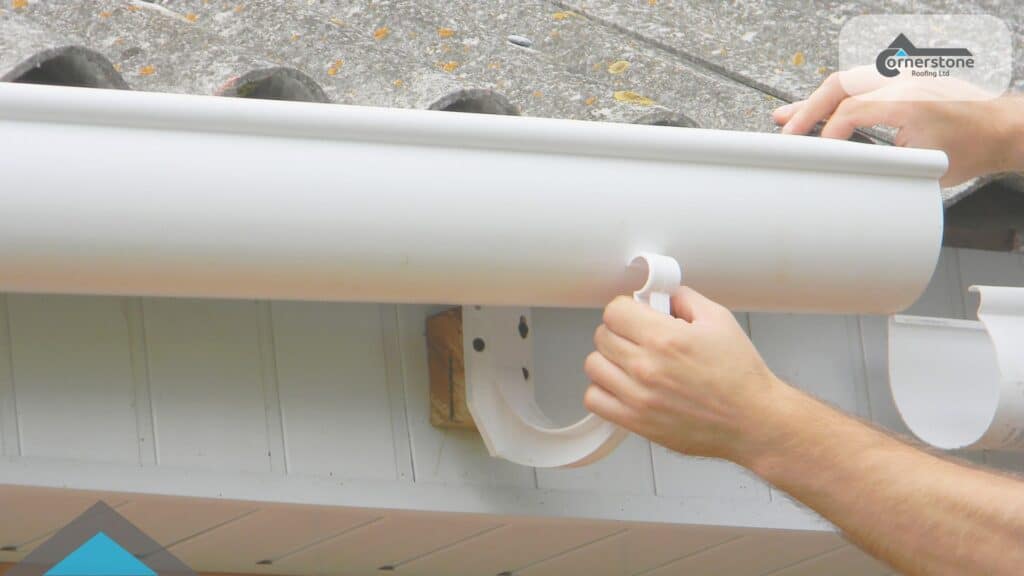
Implementing preventative measures can save you considerable hassle. Here are strategies to keep your gutters clear and downpipes working well.
Regular Inspections and Cleanings
Establishing a regular inspection and cleaning schedule is effective for preventing blocked gutters. Ideally, check them twice a year (in spring and autumn) when debris accumulation is most likely.
Step-by-Step Cleaning Process
- Gather Supplies: You will need a sturdy ladder, gloves, a trowel or scoop for debris removal, a hose for rinsing, and a bucket.
- Clear Debris: Use gloves and a trowel to remove large debris from the gutters, placing it into the bucket.
- Rinse with a Hose: After removing large debris, run water through the gutters to clear smaller particles and ensure smooth flow.
- Check Downpipes: Ensure downpipes are clear. Use a plumber’s snake or high-pressure hose for stubborn blockages.
Gutter Guards and Mesh Screens
Gutter guards or mesh screens can be a worthwhile investment, significantly reducing debris accumulation.
Types of Gutter Guards
- Screen Guards: Basic layers that allow water through while blocking leaves and large debris.
- Reverse Curve Guards: Redirect water into the gutter while letting debris fall off the edge; may require professional installation.
- Micro-Mesh Guards: Filter even smaller debris, reducing the need for frequent cleanings.
Material Selection for Downpipes
Choosing the right materials for downpipes is crucial for effective drainage and durability. Metal downpipes resist wear but may corrode; plastic options may lack durability. Assess your local climate and conditions when selecting materials.
Material Comparison
| Material | Advantages | Disadvantages |
|---|---|---|
| Aluminium | Lightweight, rust-resistant | Can bend easily |
| PVC | Cost-effective, lightweight | Less durable, can become brittle |
| Cast Iron | Very durable and long-lasting | Heavy, susceptible to rust |
The Role of Landscaping in Gutter Health
Your landscaping can significantly impact your gutters’ condition and efficiency. Thoughtful landscaping can help prevent blockages.
Smart Planting Habits
When planting near gutters, consider the types of roots produced. Fast-growing trees with aggressive root systems can disturb downpipes over time, so opt for plants with less invasive root systems.
Grading and Drainage Solutions
Proper grading and drainage in landscaping can redirect water away from your home’s foundation, reducing the likelihood of pooling. This may involve sloping garden beds or utilising drainage channels.
Effective Grading Strategies
- Sloping: Ensure your landscaping slopes away from the foundation (a 5% slope is ideal).
- Swales: Create shallow, vegetated ditches to manage water runoff and minimise pooling.
- Rain Gardens: Install rain gardens with native plants to absorb excess rainwater before it reaches drainage systems.
Signs Your Gutters Need Attention
Knowing when your gutters require maintenance can save you from costly repairs. Here are signs that your gutters may need attention:
Overflowing Water During Rainfall
If water overflows from your gutters during rain, a blockage likely exists. This issue can lead to significant problems if not addressed quickly.
Dripping from Gutters
Frequent dripping indicates that gutters do not drain properly, causing wear on your property’s exterior.
Visible Debris Accumulation
If you see debris collecting in your gutters, it’s time to clean them. Accumulation can lead to severe blockages, especially during heavy rain.
Internal Signs of Water Damage
Watch for water damage signs inside your home, such as dark patches on ceilings or walls, which indicate overflowing gutters and leakage.

Conclusion
Maintaining clear gutters and functional downpipes is essential for your property’s drainage health. By understanding the importance of gutter maintenance and the common causes of blockages, you can take proactive measures to avoid significant home damage.
Regular inspections, systematic cleaning, and thoughtful landscaping comprise effective strategies to prolong the life of your gutters and downpipes while protecting your property. Assess your gutter systems today and incorporate these strategies into your property maintenance routine. With care and attention, you can ensure efficient water drainage and safeguard your home from unexpected damage.