Understanding the Role of Gutters
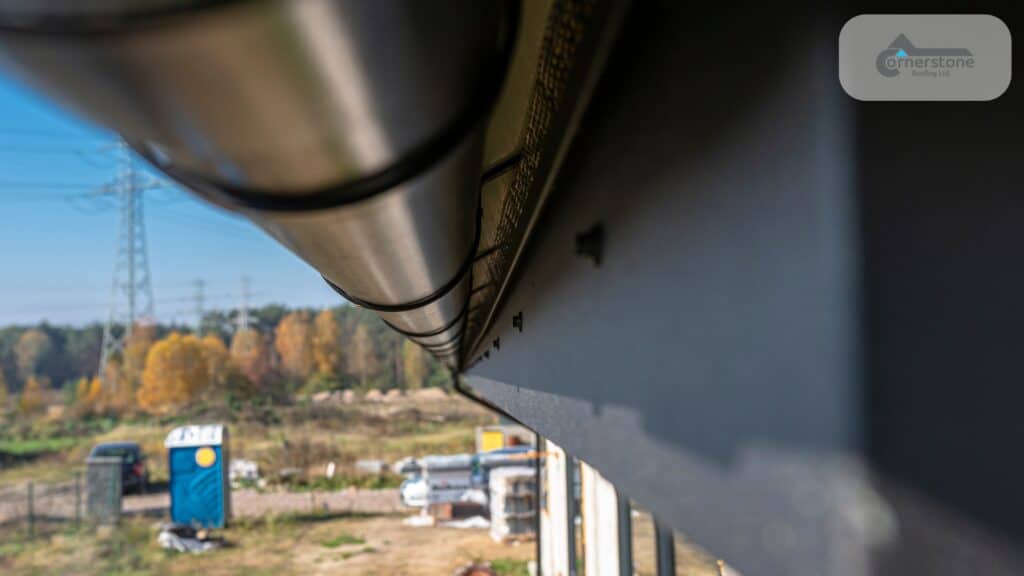
Gutters play an essential role in preserving the structural integrity of homes by effectively collecting and directing rainwater away from the foundation. At their core, they are designed to channel water flow off the roof and towards designated drainage areas, thereby preventing it from pooling around the house. By managing water runoff efficiently, they mitigate numerous potential issues that can plague a home’s structural components.
Benefits of Gutters
Foundation Protection
One of the primary advantages of installing a reliable gutter system is foundation stability. Without gutters, rainwater falls directly from the roof to the base of the house, causing water to pool around the foundation. Over time, this water can seep into the soil, leading to soil erosion and subsequent foundation cracks. These cracks can allow further water infiltration, which can compromise the structural integrity of the home.
Prevention of Water Damage
Properly maintenance can prevent water damage to both the roof and walls of a house. When rainwater is funnelled away efficiently, it mitigates the risk of water seeping into roofing materials and causing rot or mould. Moreover, gutters help avoid water stains on walls and bricks, preserving the home’s aesthetic appeal.
Basement Flooding and Soil Erosion
Basements are particularly vulnerable to water damage. When gutters are absent or fail, rainwater can pool around the foundation and find its way into the basement, leading to dampness and flooding. This not only damages basement structures but also promotes unhealthy mould growth. They’re also instrumental in preventing soil erosion around the home which, if unchecked, can strip away soil nutrients vital for plant health and destabilise landscaping.
Gutter Systems and Home Preservation
Metal and Copper Gutters
Choosing durable materials for your systems, such as copper, can enhance their longevity and performance. Copper, for instance, resist rust and corrosion better than standard materials, thereby maintaining their functionality for longer periods. This makes them a worthy initial investment for those seeking long-term solutions.
Gutter Guards
To maintain effectiveness, it’s beneficial to install gutter guards. These guards prevent large debris like leaves and twigs from clogging. The reduction in debris buildup means that less frequent cleaning is required, thus prolonging lifespan and maintaining its role in efficient water drainage.
Overall Roof Health Maintenance
A well-maintained gutter system is fundamental to the health of a roof. By ensuring that water is directed away from the roof edges, they also prevent water from stagnating and causing rot or leaks. This protection is crucial for avoiding extensive roof repairs or replacements, which can be significantly costly. Thus, they directly contribute to prolonged roof life and reduced maintenance expenses.
By collecting and directing rainwater effectively, they preserve both structural and aesthetic aspects of homes. The pivotal role they play in channelling water cannot be overstated. Their absence or malfunction can lead to several severe issues requiring costly remedies. Proper care and maintenance ensures long-term benefits, safeguarding the home against potential water damage and structural deterioration.
Next, we will delve into common problems and how these issues impact the overall health of your home.
Common Problems and Their Impact
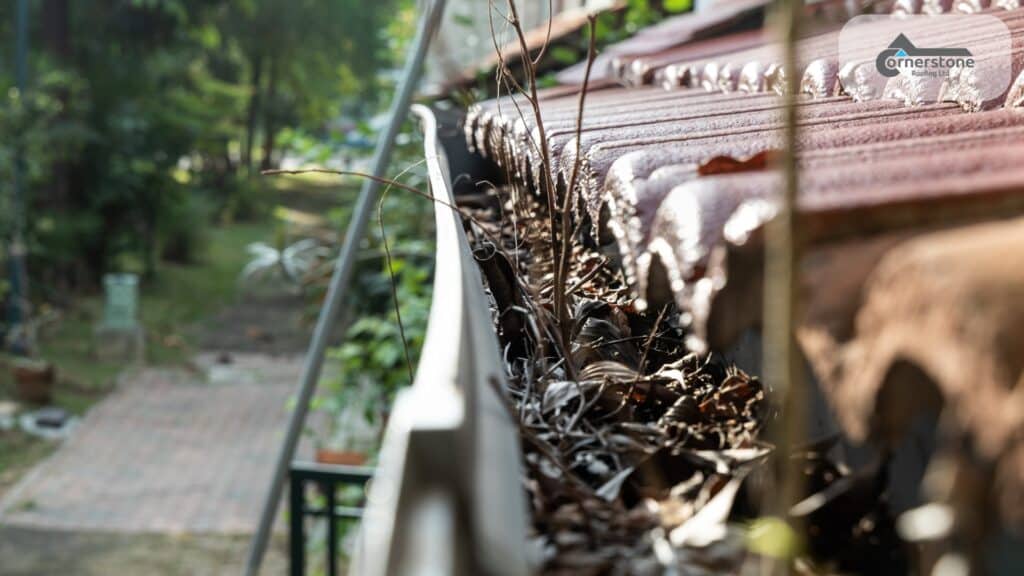
Clogged Gutters Lead to Water Buildup and Potential Roof Damage
One of the most common and problematic issues is clogging. Over time, twigs, leaves, dirt, and other debris can accumulate, blocking the natural flow of rainwater. This buildup causes water to stagnate, making them heavy and susceptible to damage. As water continues to gather, it can seep under the roof’s coating, causing decay and weakening of structural materials.
Broken or Damaged Gutters Can Cause Water to Overflow
Broken or damaged gutters exacerbate water management problems significantly. When they are cracked or have become detached at points, they fail to channel water effectively, leading to overflows. Consequently, water can spill over directly onto the roof’s edges, walls, and insulation, causing wood rot, ceiling leaks, and internal moisture issues. Water infiltration can also contribute to the growth of mould and mildew in damp areas, which can be both costly and challenging to eradicate.
Improper Drainage Can Result in Foundation Issues and Basement Flooding
The repercussions of poor gutter drainage extend far beyond the roof. When gutters do not channel water away from the home, it can pool around the foundation. Over time, this pooling causes soil erosion, which leads to foundation cracks and settling. Furthermore, accumulated water around the foundation poses a significant risk of basement flooding. This standing water finds its way through the porous walls and floors of the basement, resulting in extensive damage to stored items and the growth of harmful mould.
Implications: The implications of these problems go beyond immediate physical damage. Foundation issues threaten the structural integrity of the home and can prompt extensive and costly repairs. Furthermore, the moisture from a compromised foundation or basement can hasten the deterioration of materials, affect indoor air quality, and impair the home’s overall value.
Transition
Understanding these common problems and their impacts underscores the importance of consistent gutter maintenance and prompt repairs. Addressing these issues promptly ensures that gutters function efficiently, protecting the roof, foundation, and interior spaces from water damage. Attending to these threats not only preserves the home’s structure but also maintains its market value and occupants’ well-being.
Essential Maintenance Practices
Regular Cleaning
Cleaning is indispensable to preventing clogs and ensuring they function correctly. They should be cleaned at least twice yearly, ideally in the spring and autumn, to remove accumulated leaves, twigs, and other debris. Regular cleaning helps maintain clear water flow, which is crucial to avoid water buildup that could lead to roof and foundation damage.
Inspections and Damage Checks
Regular inspections are another vital maintenance task. It’s essential to check for signs of damage, rust, and ensure they maintain their proper slope. Inspections to find any broken sections, rust spots, or areas where the slope might have shifted. Properly sloped gutters should have a subtle angle of about 0.25 to 0.5 inches every 10 feet to ensure efficient water flow.
Tools for Gutter Cleaning
Utilising the right tools can make gutter cleaning more efficient and safer. Here are some recommended tools and their best applications:
- Scoop or Trowel: Ideal for scooping out compacted debris.
- Garden Hose: Essential for flushing out smaller residues after the primary cleaning.
- Extension Ladder: Necessary for reaching high gutters safely.
- Gutter Vacuum: Allows for effective cleaning from ground level, minimising ladder use.
- High-Pressure Washer: Effective for a thorough clean and removing stubborn dirt.
Cleaning tools can vary based on personal preference and the specific needs of your gutter system, but the importance lies in using them correctly to ensure a comprehensive clean.
Proper Use of Cleaning Tools
When cleaning, start by scooping out larger debris with a scoop or trowel. Follow this by using a garden hose or high-pressure washer to clear out residual dirt. Be cautious when climbing ladders, ensuring they are stable and secure. Ladder stabilisers can provide added security.
Summary
To summarise, maintaining your gutters through regular cleaning and inspections can prevent a host of potential issues. Employing the correct tools and techniques ensures your gutters stay operational and protect your home’s structural integrity. With a proactive approach, you can extend the lifespan and avoid expensive repairs.
Professional Repairs vs DIY

Know When to Hire Professionals for Complex Repairs
Gutters are essential in protecting your home from water damage, but not all problems can be solved by a weekend project. Deciding between DIY and professional repairs largely depends on the extent of the damage and the complexity of the repair. For minor issues, such as small leaks or minor rust spots, a DIY approach can be cost-effective and convenient. However, for significant damage like sagging, substantial rust, or persistent issues, hiring a professional is often the best course of action.
Professional expertise ensures that the repair is done correctly and can also help in identifying and addressing underlying issues that might not be obvious to untrained eyes. Hidden damage in soffits, fascia, or even the roof can be missed during DIY repairs, but professionals are likely to catch these and provide comprehensive solutions. Although professional repairs come at a higher initial cost, they can save money and time by preventing future problems and extending the lifespan of your gutter system.
Simple Repairs Can Be Handled with Repair Tape and Basic Tools
Minor repairs can be handled with readily available tools and materials. Here are a few simple issues you can tackle on your own:
- Fixing Leaks: Leaky gutters can usually be sealed with a high-quality gutter sealant. Clean the area around the leak, apply the sealant, and allow it to cure as directed.
- Patching Holes: Roof cement and metal-repair patches can effectively repair holes in metal gutters. Make sure the patch material is compatible with your gutter type.
- Replacing Sections: If a small section of your gutter is damaged, you can use slip joints to replace it. This is an easy fix but be mindful of colour mismatches and potential leaks at the seams.
- Straightening Gutters: Bent or misaligned gutters can often be corrected using pliers or a mallet. Ensure that the repaired section maintains proper slope for effective water drainage.
Safety Considerations When Working on Ladders
Safety is paramount when undertaking any gutter repair, especially those that require the use of ladders. Ladder-related accidents can cause severe injuries, so it’s crucial to follow safety guidelines:
- Ladder Stabilizers: Use ladder stabilisers or stand-off brackets to keep the ladder from resting directly on the gutters, which could cause damage.
- Non-Slip Surface: Make sure the ladder is positioned on a non-slip and even surface. Secure it with ladder levellers if necessary.
- Protective Gear: Wear appropriate protective gear, including a hard hat to protect your head from falling debris and sturdy shoes with good grip to prevent slips.
- Extension Ladders: These are ideal for taller homes as they can be adjusted to the required height and provide stability.
- Two-Person Rule: Whenever possible, have someone assist you by holding the ladder steady and passing tools, ensuring greater stability and efficiency.
Taking these safety precautions can significantly reduce the risk of injury, enabling you to complete your repairs effectively and safely. Regular maintenance and prompt attention to minor repairs can help avoid the need for more extensive and costly professional interventions. However, recognising the limits of DIY repairs and opting for professional services when necessary ensures that your gutters continue to function optimally, protecting your home from water damage.
Preventive Measures

Installing Gutter Guards
Implementing gutter guards is one of the most effective preventive measures to maintain the efficiency and lifespan of your systems. Gutter guards work by blocking debris from entering the gutter while allowing rainwater to flow freely. This significantly reduces the frequency of clogs and subsequent water damage. Homeowners can choose from several types of guards, including:
- Plastic Screen or Smooth Guards: These are budget-friendly options made from perforated screen material. They effectively block larger debris while allowing water to pass through. Their main drawback is vulnerability to animals and wind displacement, which can lead to gaps and potential clogs over time.
- Mesh Guards: Featuring fine metal mesh, these guards are excellent at filtering out small debris while permitting water flow. Stainless steel micromesh is particularly durable and effective for long-term use.
- Aluminium Covers: These covers are sturdy and resistant to weather elements. They are securely fastened to the gutter, preventing dislodgement and discouraging animal interference.
- Reverse Curve Guards: Designed with a unique S-shaped curve, these guards direct water into the gutters while pushing debris off the front edge. However, smaller particles may still enter the gutters, necessitating occasional cleaning.
- Bottle Brush Guards: Comprised of bristled frames, these guards allow water to flow while blocking solid debris. Though effective, they may require periodic maintenance to remove debris trapped in the bristles.
- Foam Guards: Foam guards block larger debris while allowing water to seep through, but they can become clogged with fine debris and may require occasional cleaning to maintain effectiveness. While cost-effective, they may degrade over time and need replacement.
Upgrading to Durable Materials
Considering an upgrade to more resilient materials, such as copper, can greatly enhance the longevity and performance of your gutters. Copper gutters are renowned for their remarkable durability, lasting up to a century compared to the typical 20-year lifespan of aluminium gutters. Their resistance to corrosion and low maintenance requirements make them a preferred choice for those seeking long-term solutions.
Copper gutters also offer aesthetic benefits. Over time, they develop a patina that adds a unique and appealing greenish hue. This natural evolution of copper not only increases its corrosion resistance but also elevates the visual appeal of the property.
Maintaining Proper Slope
Ensuring your gutters maintain the correct slope is critical for effective drainage. Gutters should have a slight pitch, typically a quarter inch for every 10 feet, directing water towards the downspouts. This prevents water accumulation, which can lead to overflow, structural damage, and foundation issues.
Periodic inspections are necessary to check for any changes in the slope due to structural shifts or weather impacts. Adjusting the slope can be a simple yet impactful maintenance task. If needed, professional help can ensure that the slope adjustments are precise and effective.
By taking these preventive measures—installing high-quality gutter guards, upgrading to copper gutters, and maintaining the correct slope—you can significantly extend the life and effectiveness of your gutter system. These efforts not only safeguard your home’s structural integrity but also reduce future maintenance and repair costs. Ensuring that your gutters are in optimal condition protects your investment and provides peace of mind.
Insurance and Protection

Understanding the relationship between your gutters and homeowners insurance is crucial to effectively manage your property’s overall maintenance costs. Keeping an eye on what is covered and what is not can save you from unexpected expenses and help ensure that your home remains in top condition.
Covered Gutter Damage
Homeowners insurance often covers damage to gutters if it is caused by specific events termed as “perils.” Covered perils include windstorms and hail; however, coverage for falling objects may vary by homeowners insurance policy. When such incidents occur, your insurance policy may pay for repair or replacement, up to your coverage limits and minus your deductible. It is important to check the specifics of your policy to understand the extent of coverage provided.
Uncovered Gutter Damage
However, it’s vital to know that not all types of damage are covered. Homeowners insurance generally does not cover damage due to negligence or wear and tear. Regular maintenance failures, such as failing to clean the gutters, resulting in blockages or allowing persistent minor damage to escalate, can lead to insurance claims being denied. Therefore, preventive measures and routine upkeep are essential to ensure your gutters function correctly and reduce the risk of incurring out-of-pocket repair costs.
Importance of Documentation
Documenting the condition of your gutters through routine inspections and before-and-after photos is an effective way to support any insurance claim. When a peril damages your gutters, having photographic evidence can help substantiate your claim. Additionally, maintaining records of all repair and maintenance activities, including receipts and contractor invoices, provides a comprehensive history that can be useful when dealing with insurance companies.
Filing an Insurance Claim
When a covered peril causes gutter damage, filing a claim involves several steps. First, assess the damage and document it thoroughly. Next, review your insurance policy to confirm that the damage is covered under your specific plan. Then, contact your insurer to notify them about the damage and provide the necessary documentation. It is also advisable to consult with a local contractor who can offer an estimate for repairs, which you can submit along with your claim. Following these steps ensures a smoother claims process, increasing the likelihood of a successful outcome.
Maintaining adequate records of gutter maintenance can help validate insurance claims related to water damage and avoid costly repairs due to negligence. Nonetheless, understanding what your insurance covers and taking preventative measures can offer peace of mind in protecting your home’s structural integrity.