Introduction
Heritage chimneys are not just functional elements; they are vital components of our architectural history and cultural heritage. In Sussex, where many buildings date back centuries, caring for these structures poses unique challenges for homeowners and conservation professionals alike. This guide will explore the complexities involved in repairing heritage chimneys in Sussex.
This blog aims to inform and equip homeowners, heritage property owners, and conservation professionals with practical knowledge about the significance of heritage chimneys, common issues they face, special considerations for repair, and actionable steps to maintain their integrity. By the end of this guide, you’ll gain a comprehensive understanding of how to approach chimney repairs while adhering to Sussex’s specific regulations and architectural traditions.
Understanding Heritage Chimneys in Sussex
Definition and History
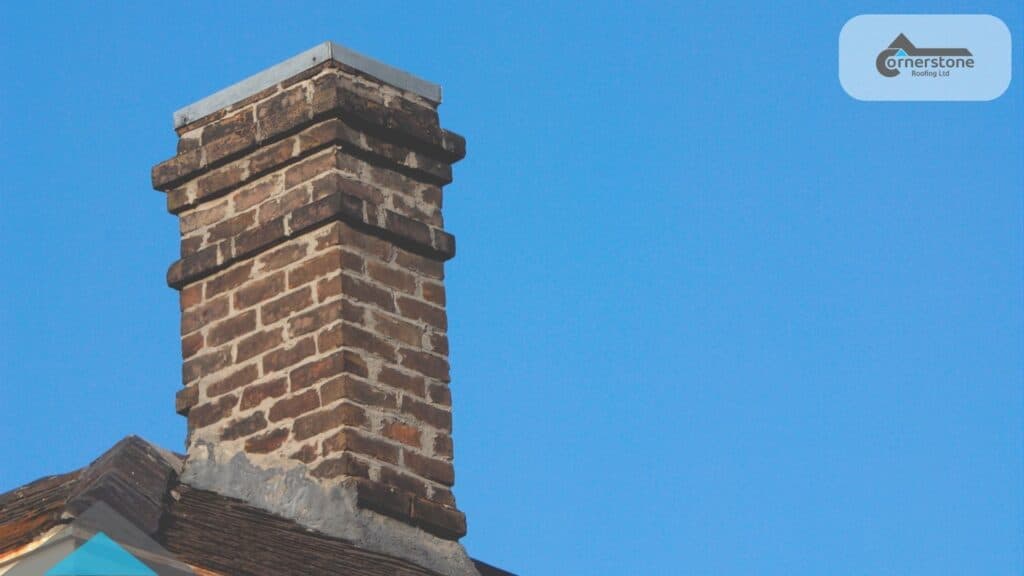
Heritage chimneys are structures of historical, architectural, or cultural significance, commonly located on listed buildings. In Sussex, these range from late medieval brick stacks to Victorian stone chimneys, each reflecting the architectural trends and practices of their time. They often feature ornate brickwork, unique flue designs, and stone carvings that showcase the craftsmanship of historical masons.
The history of these structures intertwines with the region’s rich past, from agricultural origins to Victorian expansion. As Sussex transitioned from rural to urban environments, chimneys evolved, symbolising the domestic spaces they heated and ventilated. This evolution not only narrates the story of architectural styles but also sheds light on the changing living conditions of the people in Sussex.
Significance of Heritage Chimneys
Heritage chimneys significantly contribute to the character of local communities, enriching the landscape with their distinct styles and historical narratives. Preserving these structures helps maintain the visual identity of Sussex, fostering a sense of continuity and belonging among its residents.
From a conservation standpoint, heritage chimneys contain essential components for traditional heating and household ventilation systems. Their integrity affects not only the buildings they belong to but also reflects historical building methods valuable for future restoration projects and educational purposes.
Common Issues Faced by Heritage Chimneys

The Impact of Weather
Sussex’s coastal climate, characterised by damp winters and variable conditions, can severely impact heritage chimneys. Rain, wind, and salt-laden air contribute to material deterioration over time. For example, perpetual dampness can lead to:
- Moss and Vegetation Growth: This affects aesthetics and can trap moisture.
- Spalling: When water seeps in, freezes, and expands, bricks may crack and deteriorate.
- Corrosion: Metal flue linings can corrode without adequate protection from the elements.
Material Deterioration
Heritage chimneys are typically made from traditional materials such as brick, stone, and timber. While these materials are durable, they are not immune to wear over time.
- Brick and Mortar: Older brickwork may not be as resilient as modern variants, leading to crumbling and water ingress.
- Stone: Limestone and sandstone can weather and erode, losing structural integrity over decades.
- Timber: Wooden elements in chimneys, such as decorative features or structural supports, can suffer from rot and infestations.
Structural Problems
Heritage chimneys can present significant structural issues, especially if not well-maintained during prior years. Common problems include:
- Settlement Issues: Uneven building settlement may affect chimney alignment, resulting in cracks or collapse.
- Breaching: Inadequately supported chimneys may lean away from the roofline or separate, creating safety hazards.
Identifying these issues early is essential to prevent further deterioration and costly repairs.
Special Considerations for Repairing Heritage Chimneys
Regulations and Permissions
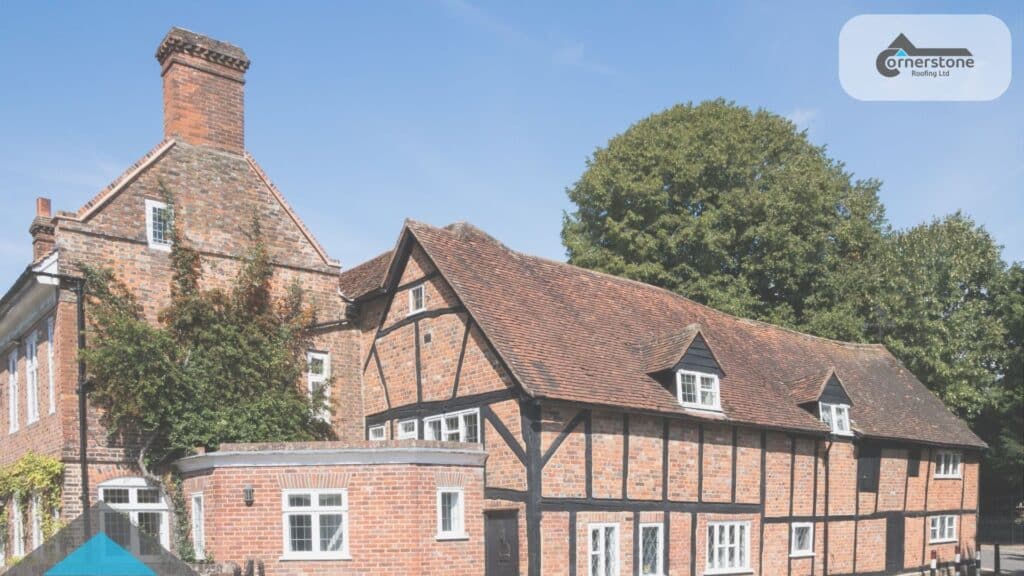
Repairing heritage chimneys in Sussex requires an understanding of local preservation regulations. Many chimneys are part of listed buildings, enjoying legal protection. Homeowners should consider:
- Listed Building Consent: If your work alters the structure, appearance, or materials, you likely need consent.
- Building Regulations: Even minor repairs must comply with building codes to ensure safety.
Failing to follow these regulations can result in fines or forced restoration to original conditions, so always consult your local conservation officer before repairs.
Restoration vs. Replacement
When facing a damaged heritage chimney, weighing restoration against replacement is crucial.
Restoration Advantages:
- Preservation of Original Materials: Maintains the chimney’s character.
- Cost-Effective: Typically less expensive than complete replacement.
Restoration Disadvantages:
- Time-Consuming: Restoration projects can take longer due to the care needed.
- Potential for Unforeseen Issues: Older materials may present hidden challenges.
Alternatively, replacement may be encouraged in certain cases. However, this poses drawbacks, including loss of historical significance and challenges in sourcing equivalent materials and craftsmanship.
Materials and Techniques
Selecting appropriate materials and techniques for repairs is vital. Traditional methods, such as using lime mortar instead of modern cement, allow buildings to breathe and prevent moisture entrapment. Recommended materials and techniques include:
- Reclaimed Bricks: Sourcing old bricks that match the existing structure maintains character.
- Lime Mortar: More breathable than standard cement, it facilitates moisture control.
- Traditional Masonry Techniques: Engaging skilled craftsmen familiar with historical methods helps maintain authenticity.
Practical Steps for Repairing Heritage Chimneys
Conducting an Inspection
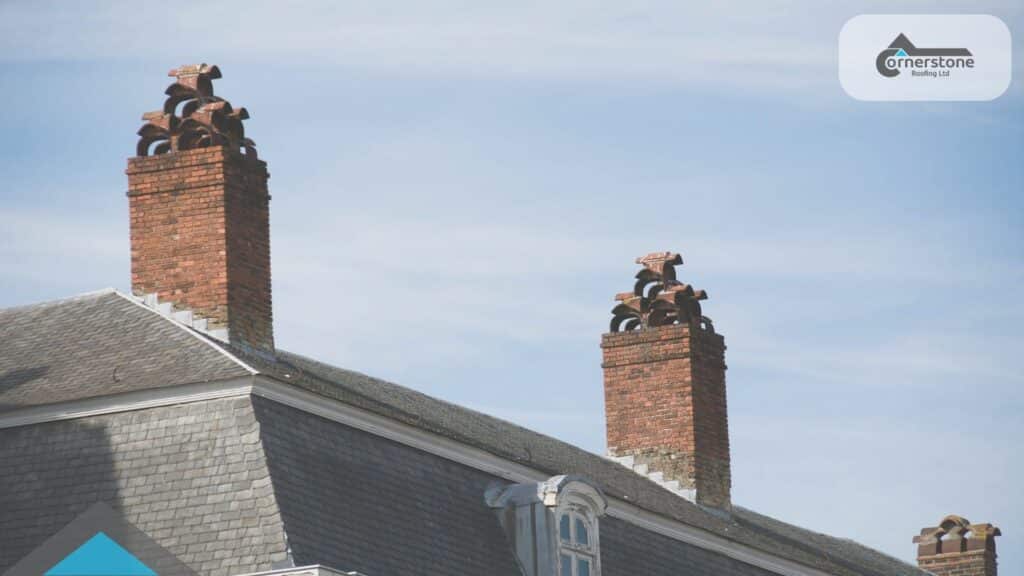
The first step in addressing chimney issues is comprehensive inspection. Here are actionable steps to assess chimney damage:
- Visual Inspection: Look for cracks, missing bricks, or signs of deterioration.
- Check the Roofline: Ensure the chimney aligns with the roof and shows no leaning.
- Catchment Area: Investigate debris, plants, or growth obstructing the chimney.
- Diagnostic Tools: Use moisture meters to assess internal dampness and infrared cameras to uncover hidden issues.
Engaging Skilled Contractors
When professional help is needed, finding contractors specialising in heritage properties is essential. Here are tips for selecting qualified professionals:
- Search Historical Preservation Societies: Local heritage groups often maintain lists of reputable contractors.
- Ask for Experience Examples: Review past projects completed on similar buildings.
- Seek References: Contact previous clients to gauge satisfaction with the work.
DIY Maintenance Tips
Homeowners may also maintain their chimneys with practical steps:
- Regular Cleaning: Regularly clean the chimney flue to prevent soot build-up, which can cause blockages.
- Monitor Vegetation Growth: Check for and remove any plant life that could compromise the structure.
- Annual Inspections: Conduct inspections at least once a year to catch minor issues before they escalate.
Actionable Tips for Maintaining Heritage Chimneys
Here are specific steps designed for maintaining heritage chimneys:
- Schedule Regular Inspections (at least once a year): Look for signs of structural integrity, including cracks and signs of water infiltration.
- Maintain Landscaping: Keep tall plants and trees at a distance to prevent roots from disrupting the chimney’s foundation.
- Repair Pointing: Regularly check and repair mortar pointing around bricks to prevent water ingress and structural weakening.
- Install Chimney Caps: These help prevent rain from entering the flue and reduce wear.
- Document Changes: Keep a log detailing repairs and inspections for future reference.
Conclusion
Heritage chimneys are invaluable assets that enhance the architectural beauty of Sussex’s historical buildings and contribute to their character. Given their unique challenges (including material deterioration, weather impact, and the complexities of conservation) it is essential for homeowners and professionals to approach their maintenance and repair with care. Understanding regulations, valuing original materials, and actively implementing maintenance strategies ensure these structures endure for generations.
If you haven’t done so already, take the first step by assessing your chimney or seeking professional advice. Remember, caring for heritage chimneys isn’t just about maintaining property; it’s about preserving a vital piece of Sussex’s history.