When it comes to property maintenance, chimney repairs often fall to the bottom of the priority list. However, neglecting chimney maintenance can lead to severe consequences, including structural damage and safety hazards. In this comprehensive guide, we will explore the importance of chimney repairs, common issues that can arise, the impact of neglecting repairs, signs indicating that work is needed, recommended maintenance practices, and tips for engaging a professional. By the end of this article, homeowners and property managers will have the knowledge necessary to ensure their chimney systems remain functional, safe, and sound.
Importance of Chimney Maintenance
Chimneys are essential components of a building’s ventilation and heating systems. They allow for the safe expulsion of smoke, gases, and other by-products of combustion from fireplaces, wood stoves, and heating systems. Regular chimney maintenance is crucial for several reasons:
Safety Concerns
The most significant reason to prioritise chimney repairs is safety. Unmaintained chimneys can lead to hazardous conditions such as chimney fires, carbon monoxide poisoning, and structural failures. According to the National Fire Protection Association (NFPA), more than 24% of home fires involve chimneys.
Preventing Structural Damage
Regular inspections and repairs can help identify potential issues before they escalate. For example, a small crack in the flue lining may not seem significant at first, but if left unchecked, it can lead to severe structural damage to the chimney and adjoining walls.
Increased Lifespan
Routine maintenance prolongs the lifespan of both the chimney and the appliance it vents. Ensuring that the chimney operates efficiently reduces wear and tear, thereby delaying the need for costly replacements.
Improved Efficiency
A well-maintained chimney enhances airflow, which can improve the efficiency of heating appliances. This not only provides more effective heating but can also lower heating costs.
Enhancing Property Value
A neglected chimney can detract from your property’s value. A well-maintained chimney, on the other hand, is an asset that assures potential buyers of safety and quality.
Common Issues with Chimneys
Understanding the common issues that can arise with chimneys is crucial for any property owner. Here are the most frequent problems:
1. Deterioration Due to Weather Conditions
Chimneys face exposure to various environmental elements such as rain, snow, wind, and temperature fluctuations, which can significantly impact their integrity.
Symptoms: Look for signs of moisture damage, such as water staining on walls, bulging bricks or stones, and rust on metal components.
Early Warning Signs: Flaking, cracked bricks, or deteriorating mortar could indicate severe weather-related damage that requires immediate action.
2. Blockages from Debris
Chimneys can accumulate debris over time, such as leaves, animal nests, or soot buildup, leading to impaired ventilation.
Symptoms: A blocked chimney may result in poor drafting, causing smoke to backflow into the living area or increased creosote buildup.
Early Warning Signs: If you notice that the flames in your fireplace are sputtering or smoke is coming back into your home, it signifies a blockage that requires prompt action.
3. Flue Liner Issues
The flue liner is vital for protecting your chimney’s structure and improving venting efficiency. Issues with the liner can lead to dangerous situations.
Symptoms: Cracks or missing sections in the flue liner may not be easily visible, but they can allow harmful gases to seep into your home.
Early Warning Signs: Unexplained increases in creosote accumulation or a strong smell of smoke can signal problems with the flue liner.
4. Spalling Brickwork
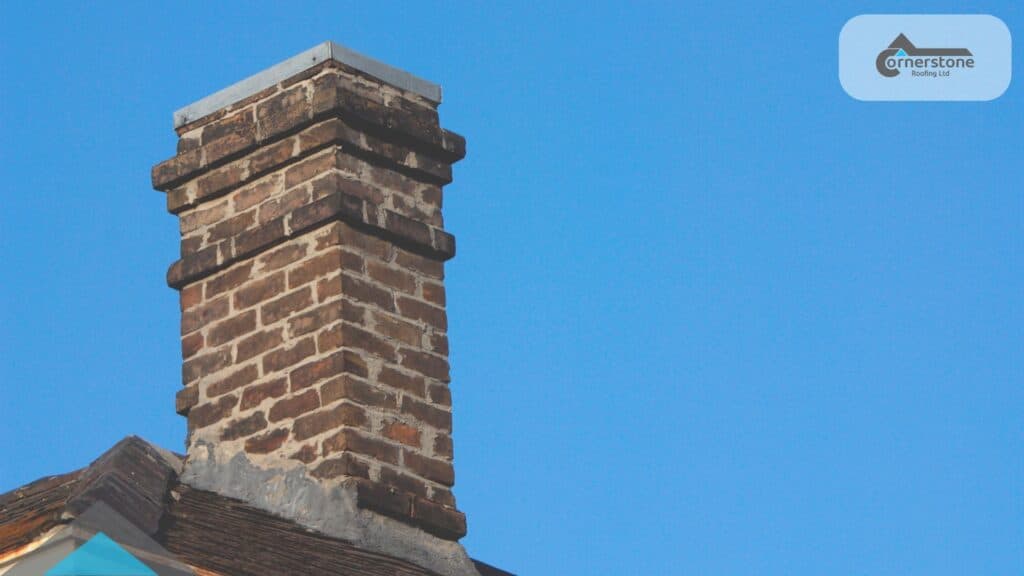
Spalling occurs when moisture penetrates the brick, causing it to crack, flake, and eventually break down.
Symptoms: Peeling or missing chunks of brick, accompanied by a crumbly texture, indicate serious spalling.
Early Warning Signs: If you notice gradual erosion in the bricks or signs of efflorescence (white powdery substance), your chimney needs urgent attention.
5. Cracked Mortar Joints
The mortar joints are crucial for keeping the chimney structurally sound. Over time, these joints can crack and weaken the overall structure.
Symptoms: Visible cracking along mortar lines suggests potential future structural issues.
Early Warning Signs: If you see gaps or separations between the bricks, it necessitates immediate repairs to prevent water ingress and further damage.
Impact of Ignoring Chimney Repairs
Neglecting chimney repairs can have significant long-term consequences that extend beyond aesthetics. Some potential issues include:
Costly Repairs
Addressing small problems promptly can save property owners considerable amounts of money compared to managing the high costs associated with extensive repairs from unchecked damage.
Decreased Property Value
Untended chimney issues can lead to reduced property value, making it harder to sell the home or attract good offers.
Health Risks
Ignoring chimney maintenance can expose occupants to dangerous gases like carbon monoxide, which can lead to health issues or even fatalities.
Safety Hazards
One critical risk is the increased likelihood of chimney fires, which can cause massive property damage, loss of life, and significant financial burdens.
Structural Compromise
Prolonged neglect can lead to severe structural failures, rendering chimneys unsafe and potentially impacting other parts of the property.
Overall, addressing chimney repairs promptly is not only cost-effective; it is also essential for safety.
Signs That Indicate Chimney Repairs are Needed
Recognising the signs that a chimney requires repairs can save homeowners significant time and money. Here are some key indicators to watch for:
1. Visible Cracks
Look closely for cracks in the chimney structure, which may appear on the exterior brickwork or inside the fireplace.
2. Crumbling Mortar
If you can see crumbling or deteriorating mortar between the chimney bricks, it is an urgent signal to have your chimney inspected.
3. Smoke Backflow
Difficulty in drawing smoke upwards can indicate a blockage or an issue with the flue.
4. Water Stains
Stains surrounding the chimney area can indicate significant moisture infiltration, requiring immediate repair to prevent ongoing issues.
5. Odours
A strong smell of smoke when the chimney isn’t in use could indicate a blockage or failure within the flue liner.
6. Flue Contracting or Expanding
Temperature fluctuations can change the condition of the flue materials, potentially leading to cracks over time. If you notice changes within the flue system, it’s time to consult a professional.
Recommended Maintenance Practices
Consistent chimney maintenance is essential for safety and effectiveness. Here are best practices for maintaining a chimney:
1. Regular Inspections
Conducting annual inspections is vital to identify potential issues early. Homeowners should engage a qualified professional for these assessments.
Frequency: Annually, ideally before the heating season begins.
Rationale: Professionals can identify complications that may not be obvious to an untrained eye.
2. Cleaning Schedules
Cleaning your chimney is necessary to remove soot, creosote, and other blockages.
Frequency: At least once a year, or more often if the chimney is used frequently.
Rationale: Regular cleaning ensures safety and enhances efficient functioning.
3. Seasonal Checks
Checking the chimney before significant weather changes helps identify hazards caused by wind, rain, or snow.
Frequency: Seasonally, especially following severe weather events.
Rationale: This prevents weathering-related damage that may escalate rapidly.
4. Monitoring Usage
Keep track of fireplace usage and adjust the maintenance schedule accordingly.
Rationale: Increased usage translates to a greater buildup of soot, creosote, and ash, requiring more frequent cleaning.
5. Documenting Maintenance and Repairs
Keeping records of all inspections and repairs allows for easier identification of recurring issues.
Rationale: A documented maintenance history can help identify trends and potentially prevent future complications.
Engaging a Professional
Selecting a qualified chimney repair professional is crucial for quality repairs. Consider the following when hiring:
1. Qualifications and Certifications
Ensure the professional is certified and has the necessary qualifications. Organisations such as the Chimney Safety Institute of America (CSIA) offer recognised training programmes.
2. Reviewing Credentials
Check reviews, testimonials, and references from previous clients to gauge the quality and reliability of their work.
3. Scope of Work Assessment
Understanding the extent of the repairs needed is vital when engaging a professional. A detailed assessment allows homeowners to make informed decisions.
4. Obtaining Multiple Quotes
Getting multiple estimates from different professionals will help you get a fair market rate.
5. Warranty Considerations
Inquire about warranties on both repairs and cleaning. A good warranty demonstrates a professional’s commitment to quality service.
Conclusion
Chimney repairs are not just an afterthought; they are integral to maintaining the safety, structural integrity, and efficiency of your property. Homeowners and property managers must be vigilant in recognising the importance of chimney maintenance, addressing common issues, understanding the impact of neglect, and employing recommended practices. By consulting qualified professionals when needed, you ensure both the longevity of your chimney system and the safety of your home.