Understanding Chimney Flashing and Its Purpose
Definition and Importance of Chimney Flashing as a Waterproofing Barrier
Chimney flashing is an essential component of your roofing system, designed to create a watertight seal where your chimney meets the roof. Flashing acts as a waterproof barrier, preventing water from penetrating this vulnerable junction and causing extensive damage to your home. Water intrusion at this point can lead to major issues such as wood rot, interior water damage, and even structural compromise. Ensuring that your chimney flashing is properly installed and maintained is critical for safeguarding your home.
Without effective chimney flashing, your home would be highly susceptible to water damage during rainstorms or heavy snowfall. Moisture could seep into the masonry, leading to deterioration of both the chimney and the surrounding roof structure. This kind of unchecked water infiltration can cause significant problems, including costly repairs down the line.
Common Materials Used in Chimney Flashing
Chimney flashing is typically crafted from durable and weather-resistant materials. The choice of material can have a significant impact on the longevity and effectiveness of the flashing.
- Copper: Copper is often considered the gold standard for chimney flashing. It is highly durable, resistant to corrosion, and able to withstand extreme weather conditions. Over time, copper develops a green patina, which adds a unique aesthetic while further protecting the metal. Copper flashing can last for decades, often outlasting other parts of the roofing system.
- Aluminium: Aluminium is a popular choice due to its affordability, light weight, and ease of installation. It is resistant to rust, making it a durable option for many homeowners. Aluminium flashing typically lasts between 15 to 20 years, depending on environmental conditions and maintenance.
- Sheet Metal: Other common materials include galvanised steel and stainless steel. Galvanised steel is a cost-effective option but can be prone to rust over time if not properly maintained. Stainless steel, on the other hand, offers excellent corrosion resistance and durability. The longevity of these materials generally ranges from 15 to 40 years.
Typical Lifespan of Chimney Flashing
The lifespan of chimney flashing can vary significantly based on the material used, environmental conditions, and the quality of installation.
- Copper: This can last 50 years or more, making it a long-term investment. Due to its durability and resistance to weathering, copper is less likely to require frequent maintenance or replacement.
- Aluminium: While cost-effective and relatively easy to work with, aluminium flashing has a lifespan of about 15 to 20 years. Its durability is commendable, but it may need replacing sooner in particularly harsh weather conditions.
- Galvanised Steel and Stainless Steel: Galvanised steel flashing usually lasts 15 to 20 years, while stainless steel can offer a similar lifespan but with better corrosion resistance. Regular inspections and adequate maintenance can extend the lifespan of these materials.
It’s important to regularly inspect and maintain your chimney flashing, regardless of the material. Early detection of issues can prevent minor problems from escalating into significant damage, ensuring the longevity and effectiveness of your flashing system. Proper maintenance includes checking for signs of wear, sealing any minor leaks, and ensuring that the flashing is securely attached.
Regular inspections, especially after extreme weather events, are crucial for catching potential issues early on. This proactive approach can help maintain the integrity of your chimney flashing and, by extension, the overall health of your roof and home structure.
Common Causes of Chimney Flashing Leaks
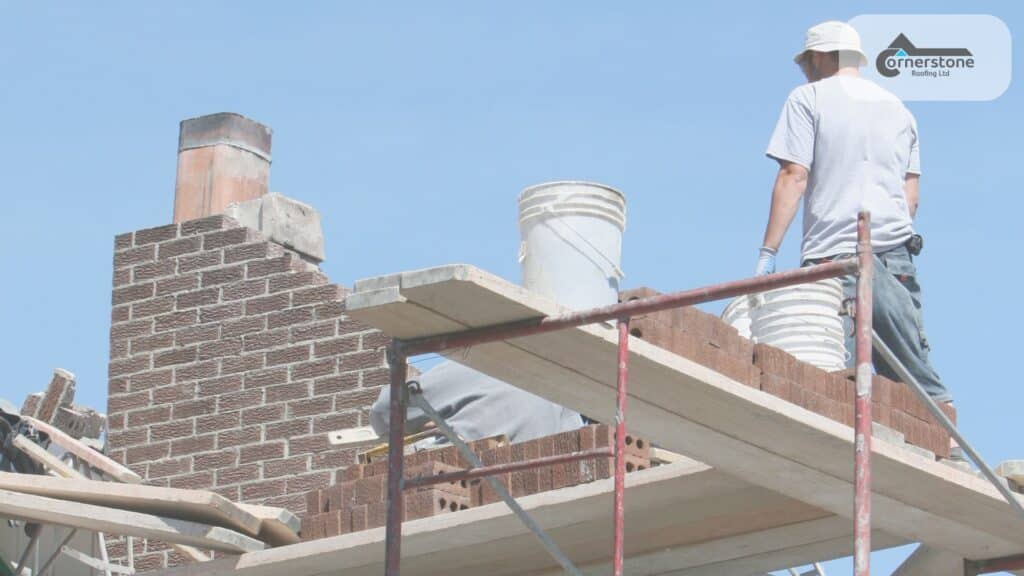
Understanding why chimney flashing leaks are common is the first step toward preventing and fixing these problems. Various factors contribute to these leaks, including natural deterioration from weather exposure, improper installation, and issues with the chimney crown or masonry. Let’s delve into each of these causes in detail.
Natural Deterioration and Weather Exposure Effects
Chimney flashing is constantly exposed to harsh weather conditions which take a toll on its integrity. Over time, the effects of rain, snow, ice, and wind can cause the flashing to deteriorate. This exposure can result in rust, corrosion, or physical warping of the metal. Additionally, the freeze-thaw cycle during winter months can lead to cracks in both the flashing and the chimney’s mortar. These cracks allow water to seep in, eventually causing leaks.
Weather can also degrade the materials surrounding your chimney. For instance, if your chimney is brick, water entering the bricks can cause spalling, where pieces of brick break off due to moisture expansion and contraction. This not only affects the structural integrity but also creates leakage points. Even well-installed flashing can develop issues due to prolonged exposure to environmental elements.
Improper Installation or Poor Workmanship
One of the leading causes of chimney flashing leaks is improper installation. Flashing must be installed correctly to form a watertight seal between the chimney and roof. If not installed correctly, gaps can allow water to penetrate. Many times, especially in older homes or after a roof replacement, flashing may not be integrated properly with new roofing materials or the chimney itself.
For instance, an inadequate overlap between the step and counterflashing can allow water to penetrate. Flashing should also be securely fastened and appropriately sealed with a weather-resistant sealant. Poor workmanship can result in these components not being appropriately secured or fitted, leading to gaps and eventual leaks. This issue is particularly prevalent in areas with less experienced roofers who might not specialise in proper flashing installation.
Damaged or Cracked Chimney Crown and Masonry Issues
The chimney crown, a concrete slab that covers the top of the chimney, is crucial for protecting it from weather elements. Over time, exposure to rain, ice, and temperature fluctuations can cause the crown to crack. These cracks can allow water to enter the structure, eventually making its way to the flashing. Sections of the crown can even break off, leading to more significant water penetration and damage.
Similarly, the integrity of the masonry can degrade over time. Mortar can erode, bricks can become porous, and gaps can develop between the masonry and the flashing. This masonry deterioration can directly undermine the flashing’s ability to form a waterproof seal, resulting in leaks. Once water finds its way through these cracks, it can quickly cause significant damage to both the chimney and the interior of the home.
By understanding and addressing the common causes of chimney flashing leaks, homeowners can proactively maintain their chimney systems. Regular inspections and timely repairs are crucial in preventing these issues from escalating. Next, it’s important to know how to identify these leaks early to minimise damage and repair costs.

Identifying Chimney Flashing Leaks
Understanding how to identify chimney flashing leaks is critical for maintaining the integrity of your home. Recognising these leaks early can prevent significant damage and costly repairs down the line. This chapter will explore how to identify visual signs of damage, interior leak indicators, and how to perform a water test to locate leak sources.
Visual Signs of Damage
Your first step in identifying a chimney flashing leak is to inspect the exterior of your chimney. Below are some common visual signs of damage to look out for:
- Rust: Rust often appears when metal flashing has been exposed to moisture for prolonged periods. It compromises the flashing’s effectiveness and signals that water infiltration is occurring.
- Loose Pieces: Loose or detached flashing pieces indicate that the seal between the chimney and the roof has weakened, providing an entry point for water.
- Mortar Deterioration: Check the joints around the chimney for deteriorating mortar. Cracked or missing mortar can allow water to seep into the structure.
- Bends or Cracks: Small bends or cracks in the flashing might seem minor but can break the protective galvanised coating, making the metal susceptible to corrosion and leaks.
Regularly inspecting your chimney and roof can help you catch these problems early. Detailed visual inspections should be part of routine home maintenance, especially after severe weather conditions.
Interior Leak Indicators
Sometimes, the first signs of a chimney flashing leak manifest inside your home, making it crucial to be vigilant about interior indicators. Here are some common signs to watch out for:
- Ceiling Stains: Water stains on the ceiling around the chimney area are a clear indication of leaks. These stains can be yellowish-brown and often indicate long-term water exposure.
- Water Damage: Peeling paint or wallpaper, as well as mould growth near the chimney, suggests moisture intrusion.
- Dripping Sounds: If you hear dripping noises near your chimney during rainfall, it is a significant sign that water is entering your home through the flashing.
- Damp Walls: Moist or damp walls in the attic or rooms adjacent to the chimney are also strong indicators of a leak. Check the areas around your chimney carefully, looking for any signs of dampness or water accumulation.
Performing a Water Test
If visual inspections and interior checks indicate a possible chimney flashing leak, performing a water test can help pinpoint the exact leak source. Here’s how to conduct this test:
- Preparation: Gather a garden hose and extend it to reach your chimney. It’s best to have an assistant inside the house to observe any leaks during this test.
- Testing Process: Start by soaking the base of the chimney with water. Do this for several minutes while your assistant watches for any signs of water ingress inside the house.
- Incremental Testing: Move the hose up the chimney in small increments, continuing to soak each section thoroughly. After each section, pause and have your assistant check for leaks. This gradual approach helps isolate the specific area where water is entering.
- Observation: If water begins to appear inside your home during the test, you have likely found the leak’s general location. Note that this process might be time-consuming but is essential for accurately identifying the leak source.
Identifying chimney flashing leaks involves a combination of careful visual inspection, being alert to interior signs of damage, and conducting targeted water tests. These steps are crucial in maintaining your chimney’s structural integrity and preventing costly repairs.
By recognising and addressing these issues promptly, you can protect your home from significant water damage and ensure the longevity of your chimney. With regular inspection and maintenance, many of these issues can be prevented before they escalate.
DIY Repair Methods
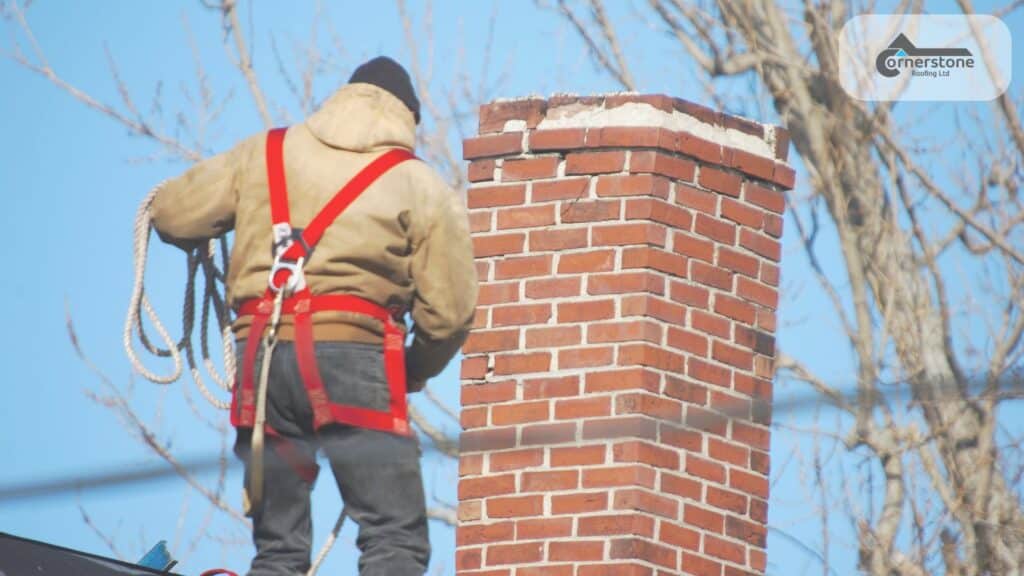
When it comes to fixing minor chimney flashing leaks, you can often handle the repairs yourself with the right tools, materials, and safety precautions. This chapter will guide you through a straightforward process to seal minor leaks and keep your chimney in good condition.
Step-by-Step Process for Sealing Minor Leaks
Here’s a simple step-by-step guide to help you address minor chimney flashing leaks:
- Inspect the Existing Flashing Begin by thoroughly examining the flashing around your chimney. Look for visible signs of damage, including cracks, rust, or loose sections. Identifying these issues early helps in determining the extent of repairs needed.
- Remove Damaged Flashing Use a utility knife to cut away any damaged or corroded flashing. Be cautious not to damage the shingles or the chimney itself. Remove all debris and old roofing cement from the area to ensure a clean working surface.
- Clean the Area Thoroughly clean the area where the new flashing will be installed using a wire brush. Scrubbing away dirt, rust, or old cement ensures that the new flashing adheres properly and creates a watertight seal.
- Measure and Cut New Flashing Measure the dimensions of the areas where the new flashing will be installed. Cut the sheet metal to the required sizes using these measurements. It’s advisable to cut the flashing slightly larger than needed, which can then be trimmed for a perfect fit.
- Position the New Flashing Place the newly cut pieces of flashing around the chimney, ensuring they overlap correctly to direct water away from the structure. Start with the base flashing, then add step flashing along the sides, and finish with counter flashing at the top.
- Secure the Flashing Attach the flashing to the roof and chimney using a hammer and nails. Nail only at the edges to avoid creating additional holes where water could seep in. This step solidifies the flashing and prevents movement.
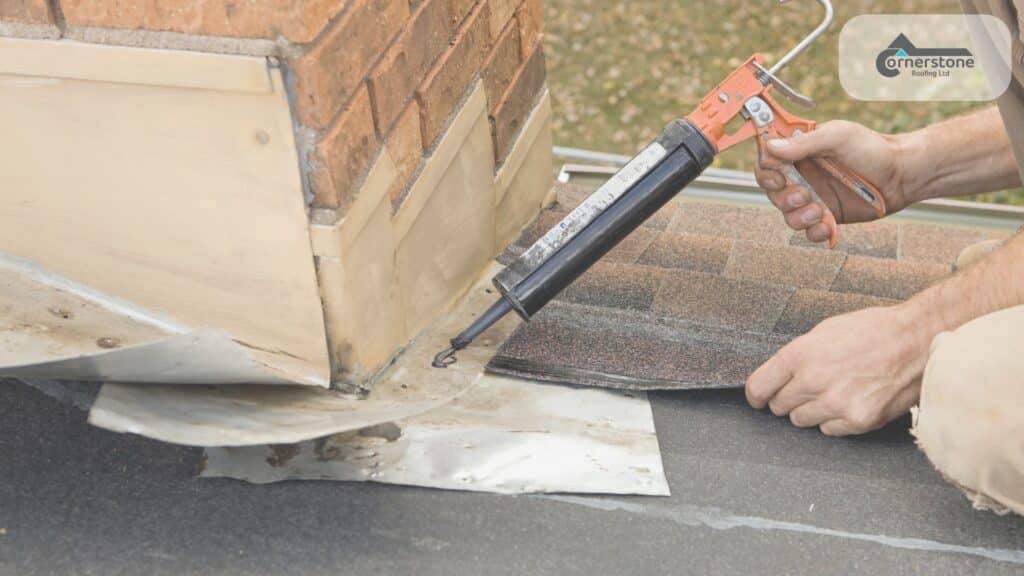
- Apply Roofing Cement Once the flashing is in place, use a caulk gun to apply a generous bead of roofing cement along the edges and seams of the flashing. Smooth it out with a putty knife to ensure a continuous, watertight seal.
- Seal Joints with Roof Caulk For added protection, seal all joints and edges of the flashing with roof caulk. Apply the caulk using a caulk gun and smooth it out with a putty knife for an even finish.
- Final Inspection Conduct a final inspection to ensure all flashing is securely in place and sealed correctly. Check for gaps, loose sections, or missed spots in the roofing cement and caulk.
- Clean Up and Monitor Clean up any debris or leftover materials from your work area. Monitor the repaired flashing over the next few weeks, especially after heavy rain, to ensure it remains watertight.
Required Tools and Materials
Before you start, gather all necessary tools and materials:
- Safety equipment: Roof harness, ladder, non-slip shoes, gloves, and safety goggles.
- Pry bar: For removing old flashing.
- Hammer and nails: For securing new flashing.
- Utility knife: For cutting old flashing and trimming new material.
- Wire brush: For cleaning the area before applying new flashing.
- Caulk gun and roof caulk: For sealing edges and joints.
- Roofing cement: To secure new flashing and provide a waterproof seal.
- Sheet metal: Replacement flashing material.
- Measuring tape: To ensure accurate cutting of new flashing.
Safety Precautions and Considerations
Safety is paramount when performing any DIY repair, especially on the roof. Here are some key precautions:
- Use proper safety gear: Wear non-slip shoes, gloves, and goggles. Use a roof harness and ensure your ladder is sturdy.
- Never work alone: Always have someone with you for assistance.
- Avoid adverse weather conditions: Do not work on the roof when it is wet, icy, or windy.
- Be mindful of other hazards: Stay aware of power lines and other potential dangers around your work area.
Performing regular inspections and minor repairs on your chimney flashing can significantly extend its lifespan. In the next section, we will discuss professional repair options and when it’s best to call in an expert.
Professional Repair Options
When to Call a Professional Contractor
Chimney flashing is a small but critical feature of your roofing system, preventing water from seeping into your home. While many minor issues can be tackled using DIY methods, there are instances when professional intervention is necessary. Here’s how to know when calling a professional contractor becomes inevitable.
Extent and Severity of the Damage
If the damage to your chimney flashing is widespread or if there are signs of significant water damage inside your home, it’s best to seek professional help. Common indicators of significant damage include:
- Extensive rust or corrosion on the flashing
- Large gaps or missing pieces of flashing
- Persistent leaks despite attempted repairs
A professional contractor will have the expertise to assess the full extent of the damage and the tools to carry out comprehensive repairs or replacements as needed. This ensures that the job is done correctly, preventing further issues down the line.
Complex Installations
Even if the damage is minor, certain installations are complex and beyond the reach of typical DIY efforts. For example, continuous flashing requires intricate installation techniques, and errors can result in inadequate sealing and ongoing leaks. Professional contractors are skilled in these installations and can ensure a perfect fit.
High-Access Challenges
If your chimney is located on a steep roof or a high two-storey home, safety becomes a significant consideration. Working at heights can be dangerous without the right equipment and training, so hiring a professional reduces the risk of injury. Contractors will have safety gear and experience, making the task safer and more efficient.
Benefits of Professional Installation and Warranty Coverage
Opting for a professional contractor offers several advantages that go beyond the immediate repair or replacement:
Expertise and Quality Workmanship
Licensed roofing contractors bring a wealth of experience and technical know-how to the table. This expertise translates into high-quality workmanship, precise installations, and adherence to industry best practices. Contractors also have access to specialised tools and materials, enhancing the overall reliability of the job.
Professional-grade flashing installations are less prone to leaks and other issues, ensuring long-term protection for your home.
Warranty Coverage
One of the significant benefits of hiring professionals is the warranty coverage that often accompanies their work. These warranties can include:
- Workmanship Warranties: Coverage for defects arising from the installation process, such as improperly fitted flashing or inadequate sealing, usually ranges around seven years.
- Material Warranties: Depending on the material used, some warranties extend up to 30 years for specific materials like copper or stainless steel.
These warranties offer substantial reassurance, protecting your investment and covering any future faults in the installation or materials as long as they fall within the warranty terms.
Ensuring a high-quality and durable solution for deteriorating chimney flashing inevitably enhances the longevity of your roofing system, contributing to both the safety and value of your home.
Maintaining an up-to-date, professionally installed, and inspected chimney flashing is pivotal in preventing costly water damage and ensuring a warm, dry, and secure living environment.
Preventive Maintenance and Long-term Care
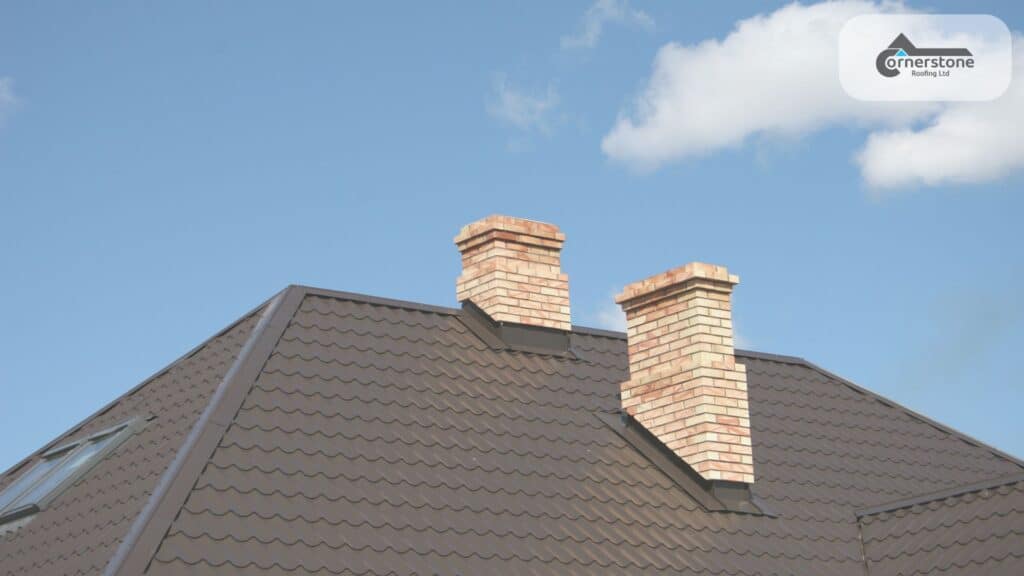
To ensure your chimney flashing remains effective as a waterproof barrier, regular maintenance and preventative care are essential. This chapter will delve into the key aspects of preserving your chimney flashing’s integrity, including inspection schedules, waterproofing treatments, and knowing when it’s time for a complete replacement.
Regular Inspection Schedules and Maintenance Tips
Routine inspections are your first line of defence against chimney flashing leaks. By scheduling regular check-ups, you can identify and address minor issues before they escalate into costly repairs. Here’s a recommended inspection timeline:
- Bi-annual inspections: Check your chimney flashing at least twice a year, ideally in the spring and autumn. This allows you to spot any damage caused by severe weather conditions during winter and summer.
- Post-storm checks: After heavy rain, hail, or windstorms, inspect your chimney for any signs of new damage or loosened flashing.
During these inspections, look for:
- Visible rust: Rust indicates corrosion and weakened metal, typically seen on aluminium and sheet metal flashing.
- Loose or displaced pieces: Flashing should be firmly attached; any lifting or gaps can allow water infiltration.
- Mortar deterioration: Crumbling or cracked mortar around the chimney base can compromise the flashing’s seal.
By maintaining an eye for these signs, you can act swiftly to prevent minor issues from becoming major problems.
Waterproofing Treatments and Protective Measures
In addition to regular inspections, applying waterproofing treatments can extend the lifespan of your chimney flashing and protect it from harsh weather conditions. Various options are available:
- Silicone-based sealants: These are effective at sealing joints and preventing water seepage. Apply a thin, continuous bead along the flashing edges and any visible gaps.
- Waterproofing sprays: These sprays form a water-resistant barrier on your chimney’s surface. Ensure the chimney surface is clean and dry before application to enhance effectiveness.
- Protective coatings: Coatings specifically developed for metal flashing can prevent rust and corrosion. Select products suited to the material of your flashing (e.g., copper, aluminium, sheet metal).
Implementing these treatments as part of your regular maintenance can stave off damage and prolong the effectiveness of your chimney flashing.
Signs That Indicate Need for Complete Flashing Replacement
Despite your best efforts at maintenance, there may come a time when chimney flashing replacement is inevitable. Recognising these signs early can save you from extensive home damage:
- Persistent leaks: If you’ve addressed minor repairs but continue experiencing leaks, it’s a clear indication that the flashing has failed and needs a complete overhaul.
- Severe rust and corrosion: Rust spreading across large areas or causing structural weakness means replacement is necessary.
- Sagging or separating flashing: When the flashing pulls away from the chimney or roof, it compromises the water barrier, necessitating a replacement to restore integrity.
Investing in high-quality materials and professional installation for replacement ensures long-term durability and efficiency.
In conclusion, preventive maintenance and timely repairs are crucial for managing your chimney flashing’s health. Regular inspections, appropriate waterproofing treatments, and awareness of replacement signals guarantee that your chimney remains fortified against water damage. This proactive approach can significantly extend your flashing’s lifespan, ultimately conserving your time and money.