Introduction to BS 8612 and British Roofing Standards
Overview of BS 8612 and its significance in roofing
BS 8612 is pivotal in the realm of british roofing standards, specifically addressing dry fixed ridge, hip, and verge systems. Introduced in February 2018, this standard sets minimum performance requirements for these systems, ensuring their reliability and durability. Dry fix components are widely used due to their ease of installation and maintenance. However, not all products were previously subjected to rigorous testing, leading to variable quality. BS 8612 standardised this by setting a high benchmark for material performance, durability, and mechanical resistance.
One of the critical aspects of BS 8612 is its focus on wind load resistance. Roofs with dry fix systems must endure both vertical and horizontal wind loads. By providing test procedures and methodologies, BS 8612 ensures that these systems can handle the predicted wind loads under different conditions. This is essential in preventing roof failures and enhancing safety.
Relationship between BS 8612 and other British roofing standards
BS 8612 does not stand alone; it interrelates with several other British Standards to form a comprehensive framework for roofing practices. For instance, BS 5534 has long been the cornerstone for slating and tiling, covering design and installation. BS 8612 complements it by ensuring the quality of dry fix products used within these installations. Together, they provide a unified approach to both traditional and modern roofing techniques.
Furthermore, BS 8612 is in alignment with BS 5250, which deals with the control of condensation in buildings. Effective ventilation as specified by BS 8612 supports the guidance outlined in BS 5250, thereby preventing moisture-related issues. BS 8000-6, which outlines workmanship standards on building sites, also integrates seamlessly with BS 8612, ensuring that the high standards for materials are matched by equally stringent installation practices.
Importance of adherence to British Standards in roofing practices
Adhering to British Standards like BS 8612, BS 5534, and others is crucial for maintaining high-quality roofing practices. These standards are devised to ensure safety, durability, and efficacy in roofing projects. Failure to comply can lead to significant issues such as roof failures, leakages, and increased risk of accidents. Compliance ensures that roofing materials and methods meet a predetermined quality that can withstand environmental stresses and offer longevity.
BS 8612 requires manufacturers to provide a product declaration of performance, which includes design resistance to wind-loading and states which tiles they can be used with. This is essential not just for the builder but also for homeowners and property developers who can have peace of mind knowing the roof’s integrity is backed by rigorous testing and quality assurance.

Key Components of BS 8612
Test Procedures for Dry Ridge/Hip System Resistance to Wind Loads
One crucial aspect of BS 8612 is the test procedures it specifies for the dry ridge and hip system’s resistance to vertical and horizontal wind loads. These test procedures aim to ensure roofing systems can handle the stresses they might face in various weather conditions, particularly high winds. The standard requires that the dry fix systems must withstand specifically defined wind loads, ensuring the stability and security of the installed systems.
Dry ridge systems must perform four key functions:
- Withstanding wind loads.
- Secure ridge and hip tiles.
- Prevent water ingress.
- Ensure weatherproofing over time.
Manufacturers must subject their dry fix systems to rigorous wind load tests, both in controlled environments and under simulated real-world conditions. These tests are essential to confirm that the systems remain secure and effective, regardless of weather variability.
Minimum Performance Requirements for Dry-Fixed Roofing Systems
The BS 8612 standard sets out minimum performance requirements that dry-fixed roofing systems must meet to ensure safety and durability. These requirements outline several critical areas:
- Fixing Resistance: The system must provide a defined level of mechanical resistance to dislodging forces.
- Durability: The materials used in the systems must resist degradation from UV exposure, freeze-thaw cycles, and other environmental stresses.
- Weatherproofing: The roofing must be able to prevent water ingress effectively.
- Ventilation: Adequate ventilation must be ensured to prevent condensation build-up, which could compromise the roof structure’s integrity.
By defining these minimum requirements, BS 8612 aims to standardise the quality and reliability of dry-fixed roofing systems across the industry.
Specifications for Fixing, Wind Load Resistance, Durability, and Ventilation
BS 8612 doesn’t just stop at test procedures and minimum performance requirements; it also provides detailed specifications for various aspects of dry fix roofing systems.
- Fixing: The guidelines specify how mechanical fixings should be applied, ensuring they are secure and durable. This includes recommendations for material selection and the appropriate techniques for applying the fixings.
- Wind Load Resistance: Beyond the initial testing, the standard provides criteria for ongoing wind load resistance, ensuring that the systems can continue to perform under varying wind conditions over their lifespan.
- Durability: Materials must meet high standards of durability, which are tested against environmental stressors like UV light and moisture. These tests help confirm that the materials will not fail prematurely.
- Ventilation: Proper ventilation is critical to preventing issues like condensation build-up. The specifications ensure that ventilation systems are adequately integrated into the roofing, maintaining the necessary airflow while still providing the required weatherproofing. Proper ventilation should be provided in accordance with other relevant standards and guidelines, such as BS 5250.
By adhering to these specifications, roofing professionals can ensure the longevity and performance of their installations, aligning with the best practices outlined in BS 8612.
Understanding and implementing the components of BS 8612 ensures that roofing systems are reliable, durable, and weather-resistant, key factors for maintaining building integrity. By meeting these standards, the roofing industry can address historical issues with failing mortar fixings and provide safer, more effective solutions for dry-fixed roofing systems.
Impact of BS 8612 on Roofing Practices
Addressing Issues with Failing Mortar Fixings
One of the biggest game-changers with BS 8612 is how it addresses the perennial issue of failing mortar fixings. Traditionally, mortar was used to secure ridge and hip tiles. However, over time, mortar can crack and deteriorate, especially under severe weather conditions, leading to unsecured tiles and potential hazards. The introduction of BS 8612 mandates that even if mortar is used, ridges and hips must also be mechanically fixed. This two-pronged approach enhances the structural integrity of roofs, reducing risks associated with loose or falling tiles.
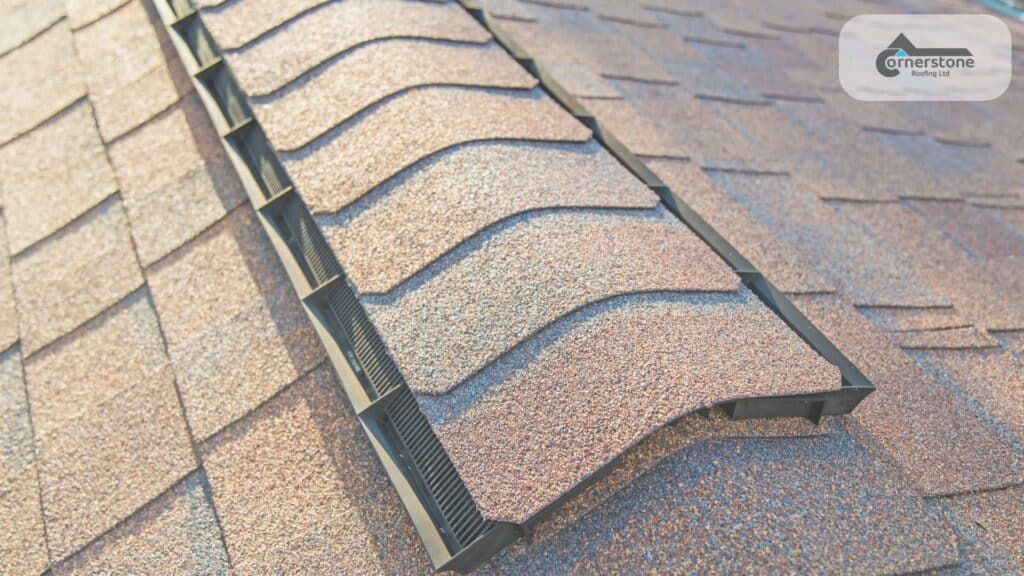
Moving to dry-fix systems eliminates reliance on mortar altogether, addressing its inherent weaknesses. These systems use mechanical fixings and clips designed to withstand high wind loads and extreme weather conditions, providing a robust and reliable alternative. It’s a significant shift that results in safer, more durable roofs.
Ensuring Quality and Reliability of Dry Fix Components
Given the industry’s increased reliance on dry fixing, the quality and reliability of these components are paramount. Prior to BS 8612, there was a lack of uniform standards to measure the efficacy and durability of these products. This created a market where the quality of dry fix systems varied significantly.
BS 8612 establishes minimum performance requirements for dry fix systems, ensuring they can withstand the stresses of wind loads, weatherproofing, and general wear and tear. The standard specifies that materials used must be durable against UV exposure, freeze-thaw cycles, and high temperatures. The rigorous testing mandated by BS 8612, such as wind load resistance tests, verifies that these components can indeed perform reliably under adverse conditions. This enhances the overall standard of roofing practices across the board.
Transition Period and Implementation Timeline
The introduction of BS 8612 necessitated a transition period, giving manufacturers, suppliers, and contractors time to adapt to the new requirements. When it went into effect on January 31st, 2018, the standard set a clear timeline for compliance.
During this period, manufacturers had to ensure their products met the new criteria, which involved rigorous testing and possible redesigns. Contractors and builders were required to educate themselves on the new standards and incorporate compliant products into their projects. Industry professionals, including architects and specifiers, had to familiarise themselves with the BS 8612 guidelines to make informed decisions about the products they choose for roofing projects.
This transition period was crucial for the industry to align itself with the new standards without sudden disruptions, ensuring a smooth shift towards safer, more reliable roofing practices.
The impact of BS 8612 on roofing practices is profound, addressing key issues with traditional methods and setting new benchmarks for quality and reliability in the industry. As we move towards fully embracing these changes, the landscape of roofing in the UK is set to become safer and more dependable.
Other Relevant British Roofing Standards
BS 5534: Slating and Tiling for Pitched Roofs and Vertical Cladding
BS 5534 is a cornerstone in British roofing standards, providing a comprehensive code of practice for the installation of slates, tiles, shingles, and shakes on pitched roofs and vertical cladding. First introduced as the go-to guide for roofing practices, BS 5534 has evolved over the years to address various factors influencing roofing, including design, performance, and installation.
One of the key updates to BS 5534, as enacted in February 2018, is the emphasis on mechanical fixing. This change mandates that all roofing slates and tiles must be mechanically fixed to the roof, laying the foundation for safer and more durable roofing systems. This was driven largely by increased incidences of extreme weather events such as high winds and heavy rain, prompting a need for robust standards that ensure the structural integrity of roofs.
BS 5534 also addresses wind uplift resistance, requiring roofing professionals to use a geographical wind zone table to determine specific requirements based on location. This standard ensures that roofs are adequately prepared to withstand local wind and weather conditions. This update is part of a broader effort to align British roofing standards more closely with European standards, thus improving overall weather resistance and safety.
BS 8000-6: Workmanship on Building Sites for Slating and Tiling
Even the best slates and tiles need to be installed correctly to benefit from their full potential. This is where BS 8000-6 comes in, providing guidelines on the quality of workmanship expected on building sites, both commercial and residential. The standard covers essential practices that ensure slating and tiling work is executed to a high standard, safeguarding both the performance and longevity of the roof.
BS 8000-6 provides recommendations on the handling, storage, and installation of materials. For instance, it outlines how to adequately prepare the roof structure before tile installation, the rudiments of cutting and fixing tiles, and the best practices for sealing edges and junctions. This ensures a comprehensive approach to roofing that prevents common issues such as water ingress or tile dislodgment due to poor workmanship.
BS 5250: Control of Condensation in Buildings
Controlling condensation is a pivotal aspect of maintaining the health of any building, and BS 5250 addresses this concern comprehensively. The standard focuses on how to manage moisture within the roof space to prevent issues such as mould growth, material degradation, and structural damage. It achieves this by setting guidelines for ventilation, thermal insulation, and the use of vapour barriers.
BS 5250 places particular emphasis on ‘thermal bridges’— areas in a building where heat flow is more pronounced, leading to colder surfaces where condensation can form. These areas include the eaves, roof junctions, and other critical points where different building components meet. The standard guides professionals on how to effectively seal these spaces, thus reducing the risk of condensation.
Moreover, adhering to BS 5250 helps in reducing both moisture transfer and heat loss, which are essential for maintaining the overall efficiency of a building’s envelope. Proper implementation of this standard can significantly extend the lifespan of roofing materials and enhance the indoor air quality by mitigating damp conditions.
Understanding and implementing these standards—BS 5534, BS 8000-6, and BS 5250—not only ensures compliance with legal requirements but also upholds the highest levels of safety, durability, and performance in roofing practices. The synergy between these standards fosters a holistic approach to roofing, addressing both the installation and long-term maintenance aspects, thus ensuring the structural integrity of buildings.